In South Florida's relentless climate, your attic isn't just a space for storage; it's the primary battleground for your home's energy efficiency and structural health. Here, uncontrolled heat and humidity can quickly lead to soaring utility bills, rampant mold growth, and premature roof decay. Choosing the right attic ventilation system is not a luxury; it is a critical defense mechanism for your property.
This guide is designed to cut through the confusion, providing clear, actionable insights for homeowners, contractors, and property managers from Jupiter to Wellington. We will break down the essential types of attic ventilation, explaining how each one functions to protect your investment.
You will learn about the pros, cons, and ideal applications for a range of systems, including:
Our goal is to equip you with the knowledge needed to select the most effective combination of intake and exhaust ventilation for South Florida's unique challenges. By understanding these options, you can create a healthier, more comfortable, and cost-effective environment, transforming your attic from a liability into a powerful asset against the tropical heat. Let's explore the systems that will keep your home cool, dry, and structurally sound for years to come.
Considered the gold standard in passive attic ventilation, the ridge and soffit vent system creates a continuous, natural airflow cycle. This method is a cornerstone among the various types of attic ventilation because it works on a simple principle of physics: convection. Soffit vents, located under the eaves of the roof, act as the intake, drawing in cooler, denser air. As this air enters the attic, it warms, rises, and is then expelled through the ridge vent, a continuous opening installed along the peak of the roof.

This constant air exchange prevents heat and moisture from accumulating, which is critical in South Florida's humid climate. You can see this system implemented in countless new construction homes in communities like Wellington and Palm Beach Gardens, where modern building codes favor its efficiency.
This system is ideal for most residential homes with pitched roofs, especially during new construction or a full roof replacement. Integrating a ridge vent during the roofing process ensures a seamless, weatherproof seal. For property managers and homeowners in coastal areas like Jupiter or Stuart, this system's ability to consistently combat moisture helps prevent mold, mildew, and wood rot without relying on electricity.
Key Insight for Contractors: The effectiveness of this system depends entirely on balance. The total net-free vent area of the soffit intakes must be equal to or greater than that of the ridge vent exhaust. An imbalance can lead to poor airflow or, in severe cases, negative pressure that pulls conditioned air from the living space into the attic.
To ensure your ridge and soffit system functions correctly, follow these specific guidelines:
Gable vents are a classic and visually distinct form of passive attic ventilation found on many homes. These louvered or screened openings are installed in the gable ends of a house, which is the triangular portion of the wall at the end of a pitched roof. They work by allowing wind to create cross-ventilation, pushing air in through one vent and out through the opposite one. While not as efficient at creating continuous airflow as a ridge-and-soffit system, they are an effective and common solution among the types of attic ventilation.
Gable vents are particularly prevalent in older homes throughout South Florida communities like Stuart and West Palm Beach. They are often the original ventilation system and are a popular choice for renovation projects where a full roof replacement isn't planned, making the installation of a ridge vent impractical. Their simple design allows for straightforward retrofitting into existing structures.
This ventilation type is best suited for homes with distinct gable-end walls and is a go-to for historic restorations or upgrades where preserving the roofline is a priority. For property managers handling older rental portfolios, upgrading or clearing existing gable vents is a cost-effective way to improve attic conditions without major structural changes. When paired with soffit vents, their performance improves significantly, as the soffits provide a clear intake path for cooler air, allowing the gable vents to function more effectively as exhausts.
Key Insight for Contractors: When installing gable vents, placement is everything. They must be installed on opposite ends of the attic and as high as possible to maximize the cross-flow effect and allow the hottest air to escape. In regions with driving rain, like South Florida during hurricane season, selecting vents with sharply angled louvers is critical to prevent water infiltration.
To get the most out of your gable vent system, consider these practical steps:
For situations requiring a more aggressive approach to heat removal, powered attic fans offer a robust solution among the various types of attic ventilation. These motorized units, installed on the roof or a gable wall, actively pull superheated air out of the attic. They are typically equipped with a thermostat that automatically turns the fan on when attic temperatures reach a preset level, often between 100-110°F, making them particularly effective in South Florida's intense summer heat.

This active exhaust process rapidly reduces attic temperatures, which can lower the load on your HVAC system and reduce cooling costs. Commercial properties in West Palm Beach and large residential homes in Jupiter often use these fans to combat extreme heat buildup, especially in attics with complex rooflines where passive ventilation is less effective.
Powered attic fans are ideal for homes with inadequate passive ventilation or those situated in areas with little wind. They are also a common retrofit solution for existing homes where installing a continuous ridge vent is not feasible. For property managers of large residential complexes in Wellington, installing multiple units can provide consistent and powerful ventilation across different buildings, helping to manage utility costs and prevent moisture-related issues.
Key Insight for Contractors: The biggest risk with powered fans is creating negative pressure. If there isn't enough intake ventilation (soffit vents), the fan can pull conditioned air from the home's living space up into the attic. Always verify there is at least 1 square foot of net-free intake area for every 150 CFM of fan capacity to avoid this costly mistake.
To maximize the benefits of a powered attic fan and ensure safe operation, consider these guidelines:
Soffit vents are the essential starting point for nearly all effective passive attic ventilation systems. Functioning as the primary intake, these vents are installed in the soffit, which is the underside of your roof's eaves. They work by allowing cooler, denser outdoor air to be drawn into the attic space, beginning a natural convection cycle that pushes hot, moist air up and out through exhaust vents. This fundamental component is a standard among the different types of attic ventilation for a reason: it establishes the base of a balanced airflow system.
You can see these vents integrated into the design of almost every new home in South Florida communities, from Palm Beach Gardens to Stuart. They come in various styles, including individual grilles or continuous strips that run the length of the eaves. Their presence is a non-negotiable part of modern building codes, which mandate a method for fresh air to enter the attic.
Soffit vents are indispensable for any pitched roof aiming for a passive ventilation strategy. They are most effective when paired with an exhaust vent, like a ridge vent, to create a complete intake-exhaust loop. This combination is ideal for both residential homes and commercial structures, including metal buildings that require consistent air exchange to prevent condensation and heat buildup. In new construction, installing continuous soffit vents is a simple and cost-effective way to meet building codes and ensure long-term roof health.
Key Insight for Contractors: When working with spray foam insulation, it is critical to prevent the foam from blocking the soffit vents. Always install insulation baffles or trays first. These create a dedicated channel from the soffit to the attic space, ensuring the intake path remains clear and fully functional after the foam is applied.
To guarantee your soffit vents are working as intended, especially in Florida's demanding climate, consider these tips:
A familiar sight on many roofs, turbine vents, often called 'whirlybirds,' are a form of wind-powered ventilation. These devices use a series of vanes that spin with the slightest breeze, creating a vacuum effect that actively pulls hot, stale air and moisture out of the attic space. This makes them a step up from purely static vents, offering a mechanical assist without consuming electricity.
Functioning as active exhaust vents, they rely on adequate intake, usually from soffit vents, to create a consistent airflow path. You can see their effectiveness on coastal homes in Jupiter, where consistent ocean breezes keep the turbines spinning, or on larger metal buildings in West Palm Beach where multiple units are installed to manage vast attic spaces.
Turbine vents are excellent for properties in windy locations or for retrofitting roofs that lack a continuous ridge line suitable for a ridge vent. They are a cost-effective upgrade from basic static vents. For property managers in Stuart dealing with older rental homes, installing turbines can significantly improve ventilation and reduce cooling costs without the expense of a powered fan. They are a reliable and time-tested part of the many types of attic ventilation available.
Key Insight for Contractors: When installing turbines, proper placement is critical. They should be positioned on the upper portion of the roof slope, ideally on the backside to maintain curb appeal, but always situated to catch prevailing winds and create a clear path from the soffit intakes below.
To ensure your turbine vents operate efficiently, consider these specific actions:
While not a ventilation method itself, attic bypass sealing with spray foam is a foundational step that makes all other types of attic ventilation dramatically more effective. This process involves using spray foam insulation to seal the small gaps, cracks, and penetrations in your attic floor that allow conditioned air from your home to leak into the unconditioned attic space. Airtight Spray Foam Insulation, led by Christian Cates with over 25 years of experience, specializes in creating this crucial air barrier, which is a key principle of modern building science.

This sealing process stops the wasteful exchange of air, preventing your expensive cooled air from escaping and attic heat from infiltrating your living area. This critical step is often seen in retrofit projects in Stuart and West Palm Beach, where homeowners have reported utility cost reductions of 15-20% after proper air sealing.
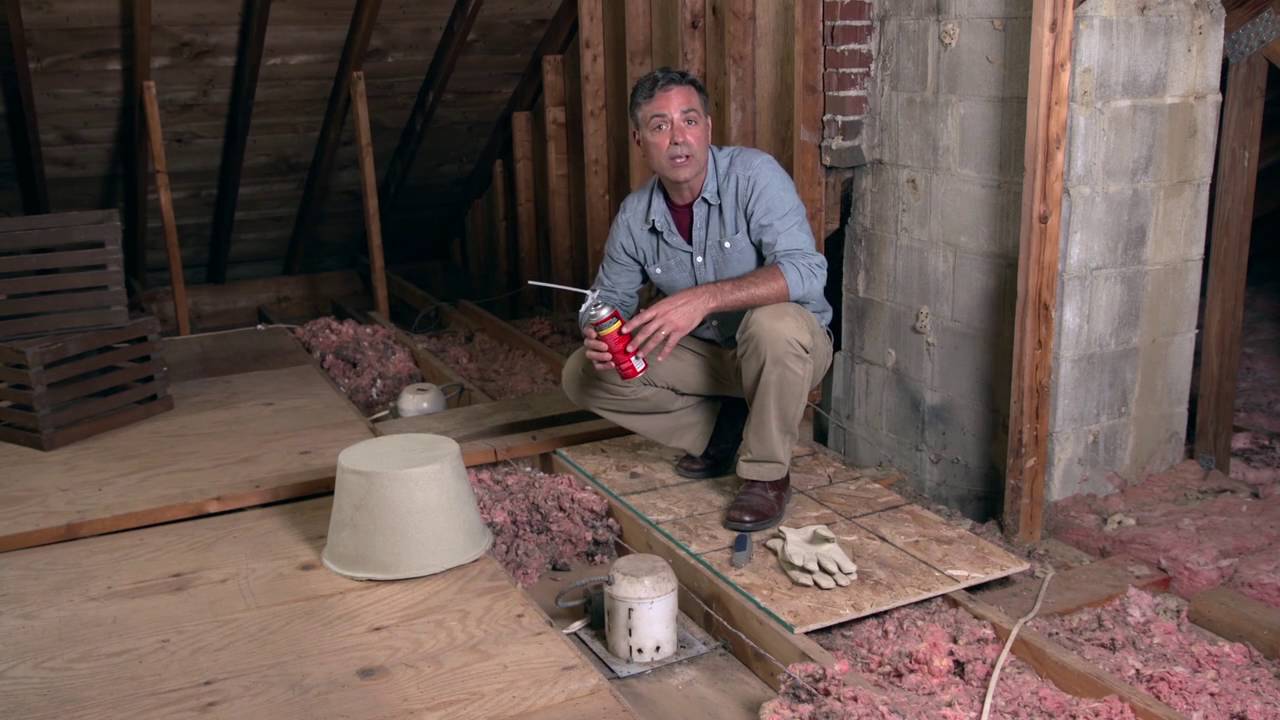
Attic bypass sealing is essential for nearly every home, both new construction and existing properties, particularly in South Florida's demanding climate. It's the first step recommended by ENERGY STAR and the Building Performance Institute (BPI) before upgrading insulation or ventilation. For property managers in Jupiter or Wellington, sealing bypasses in multiple units can lead to substantial, portfolio-wide energy savings and improved tenant comfort by eliminating drafts and hot spots.
Key Insight for Contractors: The primary goal is to create a complete air barrier between the conditioned living space and the unconditioned attic. This means meticulously sealing every penetration: around plumbing stacks, electrical wiring, recessed lighting cans, ductwork chases, and the attic access hatch. A blower door test can quantitatively measure the air leakage reduction before and after the sealing is completed.
To achieve a truly sealed and efficient attic, focus on these critical details:
Individual roof vents, often called louver vents, are one of the most traditional types of attic ventilation. These are static, mushroom-shaped or box-like vents installed directly on the roof's surface to allow hot, moist air to escape the attic. Unlike a continuous ridge vent, multiple individual vents are strategically placed across the upper portion of the roof to provide exhaust points for rising air. They function passively, relying on natural convection to push warm air out.
This method is common in older homes throughout West Palm Beach and Stuart, often installed as a retrofit solution where a ridge vent wasn't feasible. They are also useful for residential additions in areas like Wellington, where venting needs to be added to a new section of roof without disturbing the existing structure.
Roof vents are best suited for roofs with complex designs, multiple peaks, or short ridges where a continuous ridge vent is impractical. They serve as an effective, low-cost exhaust solution for retrofit projects or on smaller structures like sheds and garages. For property managers, their simple design with no moving parts means minimal long-term maintenance, making them a reliable choice for rental properties.
Key Insight for Contractors: Proper placement is everything with individual roof vents. They must be installed as high up on the roof as possible, but below the ridge line, and spaced evenly. Poor placement can create dead air spots where heat and moisture accumulate, defeating their purpose.
To maximize the effectiveness of individual roof vents, especially in South Florida, adhere to these guidelines:
While not a ventilation method on its own, a properly sealed and insulated attic access door is a critical component for the performance of any attic ventilation system. Often overlooked, this entry point can be a massive source of air leakage, undermining your entire ventilation strategy. An unsealed door allows conditioned air from your home to escape into the attic and hot, humid attic air to infiltrate your living space, creating an energy efficiency nightmare.
The focus here is on creating a complete thermal and air barrier. This approach, emphasized by building science professionals and ENERGY STAR guidelines, prevents the attic from acting like a chimney, pulling conditioned air out of your home. In retrofit projects across Wellington, addressing a leaky attic hatch is one of the first steps to fixing high energy bills and improving indoor comfort.
Sealing and insulating the attic access is a universal best practice applicable to every home, regardless of the primary ventilation type used. It is especially important in South Florida, where the pressure and temperature differences between the attic and living space are extreme. New construction homes in Jupiter and Palm Beach Gardens often include insulated access doors to meet modern energy codes. For property managers, ensuring these access points are sealed in every unit is a low-cost, high-impact measure to reduce tenant energy complaints.
Key Insight for Contractors: The attic access is a major bypass point. During an energy audit or a re-insulation job, always inspect the attic hatch. Offering an upgrade to an insulated and sealed access door or building an insulated box over pull-down stairs is a valuable service that directly improves the performance of your other work.
To effectively seal your attic access and support your primary ventilation system, implement these specific measures:
While not a form of ventilation themselves, moisture and vapor barriers are crucial partners to any attic ventilation system. These materials are installed within the attic assembly to manage water vapor, preventing it from condensing on cooler surfaces like insulation, roof decking, and framing. Among the various types of attic ventilation, integrating a proper barrier system is essential for controlling the intense humidity characteristic of South Florida's climate.
This strategy is foundational in modern building science, as promoted by organizations like ASHRAE and the Building Science Corporation. In new construction homes across West Palm Beach and Jupiter, vapor barriers are installed under attic insulation to stop moisture from the living space from rising into the attic. They work hand-in-hand with ventilation to manage humidity from both inside and outside the home.
Vapor barriers are vital in new construction and are a smart retrofit for older homes experiencing moisture issues. For property managers overseeing commercial structures or metal buildings in Stuart, "smart" vapor barriers are particularly effective as they can adapt to seasonal humidity changes. It's also critical to prevent adding unnecessary humidity to the attic; understanding the risks of venting a dryer to the attic is a key part of any effective moisture management plan.
Key Insight for Contractors: A vapor barrier is not a substitute for ventilation; it requires it. Installing a vapor barrier in an unventilated attic can trap moisture, accelerating rot and mold growth. The goal is to control vapor drive while allowing the attic to breathe and dry out.
To correctly integrate a moisture barrier with your attic ventilation, follow these guidelines:
| Item | ???? Implementation Complexity | ⚡ Resource Requirements | ⭐ Expected Effectiveness | ???? Expected Outcomes | ???? Ideal Use Cases & Key Advantages |
|---|---|---|---|---|---|
| Ridge Vents with Soffit Vents (Continuous Ventilation) | Medium ???? — needs coordinated soffit/ridge installation; retrofit can be difficult | Roofing work, soffit openings, contractor; low operating cost | ⭐⭐⭐⭐ — consistent passive airflow | Balanced ventilation, strong moisture control, moderate attic temp reduction | New builds or reroofs; unobtrusive, complements spray foam for moisture management |
| Gable Vents | Low ???? — simple wall install or retrofit | Cut-in gable openings, louvers/screens; low cost | ⭐⭐⭐ — less consistent than ridge systems | Variable airflow; limited moisture control alone; wind-dependent | Older homes and renovations; decorative options, inexpensive retrofit |
| Powered Attic Fans (Thermostat-Controlled) | High ???? — requires electrical work, intake sizing, possible integration issues | Motor unit, wiring, thermostat/humidistat, professional install, ongoing electricity | ⭐⭐⭐⭐ — active extraction; strong temp reduction | Lowers attic temp ~10–20°F, reduces A/C load, improved moisture removal (with adequate intake) | Hot/humid climates, large attics, metal buildings; use humidistat models and ensure adequate intakes |
| Soffit Vents (Intake Ventilation) | Low ???? — straightforward but must remain unobstructed | Continuous soffit runs or individual vents, simple materials, periodic inspection | ⭐⭐⭐ — essential intake; effectiveness depends on exhaust | Enables passive convection; critical to balanced systems | New construction and any passive system; cost-effective intake that must remain clear |
| Turbine Vents (Whirlybirds) | Medium ???? — roof penetration, flashing, periodic bearing maintenance | Wind-powered units, flashing, occasional lubrication; moderate cost | ⭐⭐⭐ — effective when windy, variable otherwise | Good extraction in breezy/coastal sites; inconsistent on still days | Coastal/windy homes as supplemental exhaust; low operating cost but may need backup |
| Attic Bypass Sealing with Spray Foam Insulation | High ???? — professional application and coordination with vents | Certified applicator, closed-cell (preferred) or open-cell foam, higher upfront cost | ⭐⭐⭐⭐⭐ — excellent at eliminating air leaks | Significant energy savings (often 10–15%), reduces moisture transfer, improves HVAC performance | Essential first step for new builds and retrofits; maximizes ventilation effectiveness and energy efficiency |
| Roof Vents (Individual/Louver Vents) | Low ???? — easy retrofit but multiple penetrations increase complexity | Multiple vent units, flashing kits, roof penetrations; low–moderate cost | ⭐⭐⭐ — passive exhaust but less balanced than ridge systems | Provides point extraction; may require many units and increases leak points | Retrofit scenarios or additions where ridge vents aren’t feasible; flexible but can clutter roof |
| Attic Access Doors with Insulation and Sealing | Low ???? — straightforward retrofit; requires proper sealing methods | Rigid foam, weatherstripping, gaskets, optional spray foam; low cost | ⭐⭐⭐⭐ — high impact on reducing bypass leakage | Reduces major air leaks, improves comfort and HVAC efficiency; aids ventilation performance | High ROI retrofit for any home; essential complement to any ventilation strategy |
| Moisture Barriers and Vapor Barriers in Attics | Medium ???? — must be correctly placed/sealed and coordinated with ventilation | Poly sheeting, smart membranes, sealants, skilled installation recommended | ⭐⭐⭐⭐ — strong moisture control when used properly | Prevents condensation, mold, and rot; preserves insulation R-value | Critical in humid climates (e.g., South Florida); pair with ventilation and spray foam to avoid trapped moisture |
Navigating the various types of attic ventilation can feel overwhelming, but understanding their individual strengths and how they work together is the key to mastering your South Florida property's climate. We've explored the continuous, passive power of ridge and soffit vents, the targeted exhaust of gable and turbine vents, and the active air movement provided by powered attic fans. Each component serves a distinct purpose, from providing essential intake air (soffit vents) to addressing critical air leakage points (attic bypass sealing).
The most crucial takeaway is that a high-performance attic is not a single product, but a complete system. Simply installing a powerful fan in a leaky attic is like running an air conditioner with the windows open. It creates negative pressure, pulling hot, humid, and often unfiltered air from outside into your attic and even your home. This can strain your HVAC system, introduce moisture, and negate any potential energy savings. A truly effective strategy begins from the inside out, creating a controlled environment before introducing ventilation.
The first and most critical step in any effective attic strategy is to address air leakage. This means meticulously sealing attic bypasses around wiring, plumbing stacks, recessed lighting, and the attic access door itself. Using a solution like spray foam insulation to create an airtight barrier between your living space and the attic is the cornerstone of this approach.
This step achieves several critical goals:
With a properly sealed attic deck, you can then build a balanced ventilation system. The classic and often most effective pairing for South Florida homes is a continuous ridge vent system combined with ample soffit vents. This creates a natural convection cycle driven by wind and thermal buoyancy, quietly and efficiently flushing out superheated air without consuming electricity.
For homes with unique rooflines, complex hip-and-valley designs, or where ridge vents are not feasible, a combination of other exhaust vents may be necessary. For a deeper dive into the specific hardware available, researching the best roof vent options for homes can provide additional clarity on which products might suit your property's architecture. In scenarios with persistent humidity, supplementing a passive system with a humidistat-controlled powered fan can provide an extra layer of defense, activating only when moisture levels rise to a problematic point.
Ultimately, your property's specific needs, from a single-family home in Jupiter to a commercial warehouse in Stuart, will dictate the final configuration. The principles, however, remain constant: seal first, then create a balanced intake and exhaust path. By taking a systematic approach, you move beyond simply installing vents and begin engineering a complete attic environment designed to conquer the intense heat and humidity of South Florida, protecting your building's structural integrity, lowering energy bills, and improving indoor comfort for years to come.
Ready to build a complete, high-performance attic system that truly works? Start with the foundational step of air sealing with Airtight Spray Foam Insulation. Our expert team ensures every crack and crevice is sealed, creating the perfect canvas for an effective ventilation strategy. Contact Airtight Spray Foam Insulation today for a free assessment and quote!