If you're standing in your garage in Jupiter, West Palm Beach, or Palm Beach Gardens wondering why the house never seems to cool down, the attic is usually part of the story. South Florida homes take a daily beating from heat, sun, humidity, and long AC run times. Insulation that looks fine on paper can fall short fast if it leaves gaps, traps moisture, or loses effectiveness around wiring, ducts, and uneven framing.
That’s why blown insulation vs rolled isn’t a small upgrade decision here. It affects comfort, utility bills, attic moisture, and how hard your HVAC system has to work through most of the year. Homeowners often compare fiberglass batts from the big box store against loose-fill blown insulation and assume the answer comes down to price. In the field, it rarely does.
The main question is simpler. Which system performs better in a hot, humid attic with obstructions, imperfect framing, and real-world installation conditions? For many South Florida homes, blown-in comes out ahead of rolled insulation. But that still doesn’t mean it’s the best possible answer for every building.
A typical South Florida insulation call starts the same way. The second floor feels hotter than the first. Some rooms stay muggy. The AC runs long into the evening, and the homeowner has already changed filters, serviced the unit, and checked the thermostat. Then we look up.
In this region, attic insulation has to do more than slow heat transfer. It has to hold up in high humidity, work around recessed lights, wiring, truss webs, duct chases, and uneven framing, and avoid creating pockets where damp air lingers. A product that works well in a dry, simple attic in another state may not perform the same way in a coastal Florida home.
Here’s the quick comparison often needed initially:
| Factor | Blown-In Insulation | Rolled or Batt Insulation |
|---|---|---|
| Best fit | Irregular attics, retrofits, topping off existing insulation | Open framing, standard cavities, new construction |
| Coverage | Better at filling gaps and around obstacles | Best in straight, unobstructed spaces |
| Labor | Fast with blowing equipment | Slower because each piece must be cut and fitted |
| Humidity concerns | Can perform well, but some materials may settle over time | Doesn’t settle, but can trap moisture and lose performance if compressed |
| DIY friendliness | Possible, but usually better with a pro crew | More familiar to DIY installers |
| South Florida attic performance | Usually the stronger of the two | More installation-sensitive |
In South Florida, the installer matters almost as much as the insulation type. A good material installed poorly will still underperform.
The rest of the comparison comes down to where the insulation is going, what shape the space is in, and how much risk you're willing to accept on air leakage and moisture.
Rolled insulation, usually called batt insulation when it comes in pre-cut sections, is the form most homeowners recognize. It comes in blankets sized to fit between framing members and is commonly made from fiberglass. In open wall cavities or simple attic floors with standard spacing, batts can be straightforward to place.
Blown-in insulation is different in both material form and installation method. Instead of laying pieces by hand, installers use a machine to blow loose-fill material, typically fiberglass or cellulose, across an attic floor or into enclosed spaces. The material flows into corners and around obstructions that are hard to cover cleanly with batts.
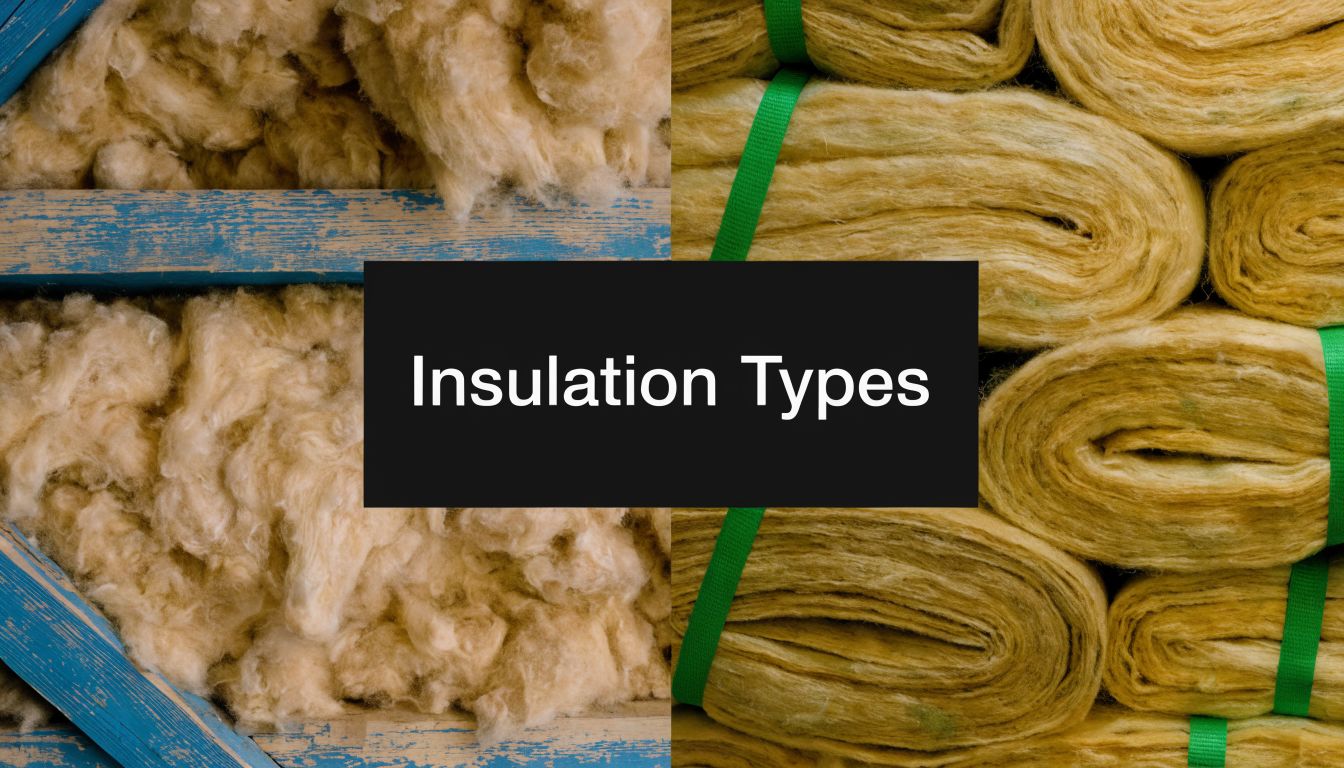
Rolled or batt insulation works best when the cavity is predictable. Think new framing, clear stud bays, or attic sections without a lot of interruptions. Once you start dealing with pipes, wiring, can lights, cross-bracing, and odd framing repairs, every batt has to be cut, split, or tucked.
That’s where problems start. A batt that bows, compresses, or leaves a void at the edge no longer performs like its label suggests.
Blown-in insulation creates a continuous blanket over the attic floor. In retrofit work, that matters because older homes rarely have clean, uniform attic layouts. The loose-fill material drops around ceiling joists, wiring runs, plumbing penetrations, and awkward framing details that are easy to miss by hand.
If you're comparing installation methods in more detail, this overview of blown insulation installation shows how the process differs from laying batts manually.
The biggest difference isn't what the insulation is made of. It's how well it fits the space.
For a homeowner, that means rolled insulation can still be the right pick in the right setting. It just has a narrower lane.
The rated number on the package matters, but it doesn't tell the whole story. In attics across South Florida, insulation performance usually comes down to three field conditions: coverage, air movement, and installation quality.
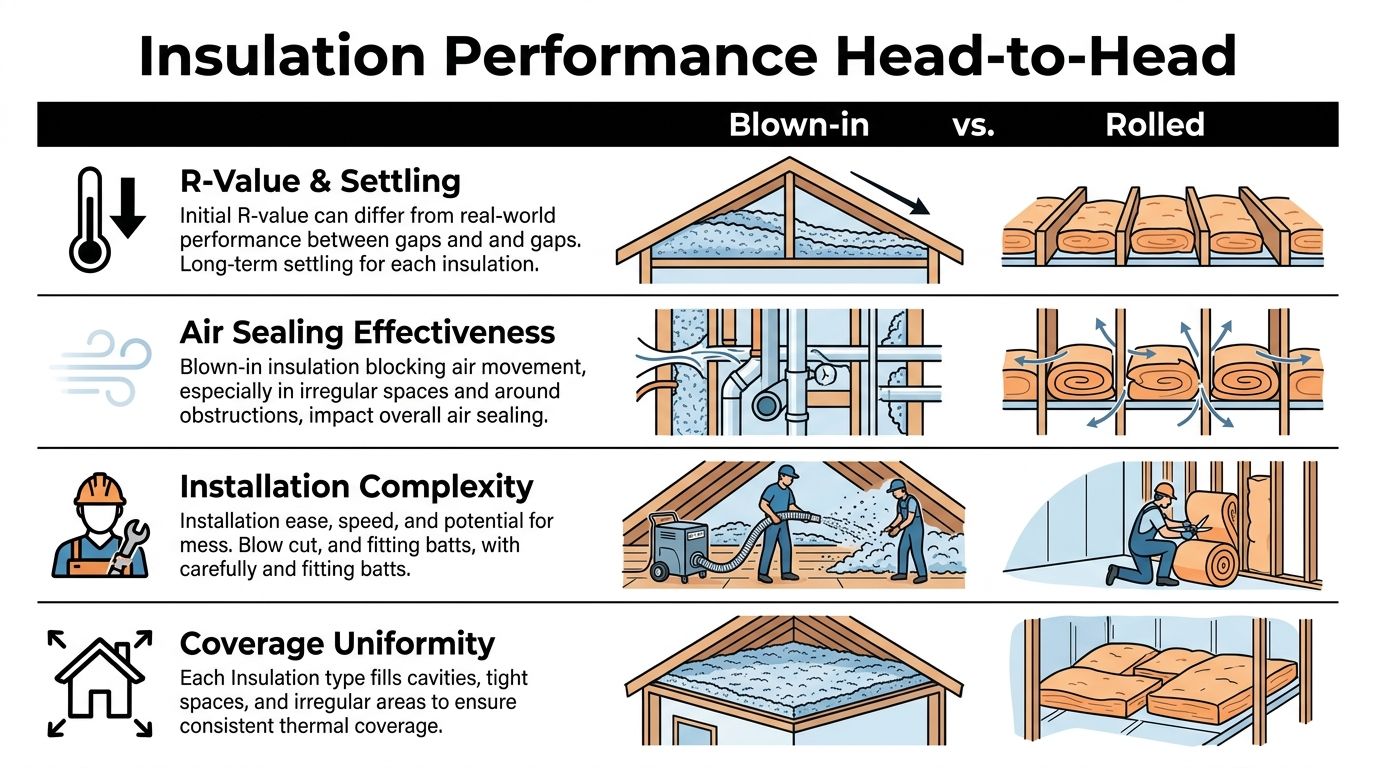
Fiberglass batts typically offer R-3.1 to R-4.3 per inch, while blown-in cellulose or fiberglass ranges from R-2.2 to R-4.0 per inch. That sounds like batts should win. In many attics, they don’t. Batts can lose up to 25% of their rated R-value when compressed or misaligned around wiring, pipes, and ducts, while blown-in conforms to irregular spaces and can deliver 15-30% reductions in heating and cooling costs compared to poorly fitted batts, according to Insulation Pal’s batt versus blown-in comparison.
That’s the key distinction. Rated R-value is a lab number. Effective R-value is what survives installation defects and real attic conditions.
Practical rule: If the attic has a lot of obstacles, the insulation that fills around them usually outperforms the insulation that has to be cut around them.
For homeowners looking deeper into fiberglass performance, this guide on fiberglass blown insulation R-value is useful when comparing thickness, depth, and finished coverage.
Insulation and air sealing aren’t the same thing, but they interact. South Florida homes deal with warm, humid air trying to move into conditioned space for most of the year. If the insulation leaves channels for air to pass through or around it, comfort drops even if the attic technically has enough material.
Blown-in doesn't create an air barrier by itself, but it does a better job covering micro-gaps, framing irregularities, and hard-to-reach transitions than rolled batts. Batts can perform well in open, simple cavities, but in attics with truss webs, electrical runs, flex ducts, and uneven decking lines, they’re easier to install imperfectly.
Here’s the practical takeaway:
A lot of homeowners also want a visual explanation before they commit. This short walkthrough helps show the installation differences in a real attic setting:
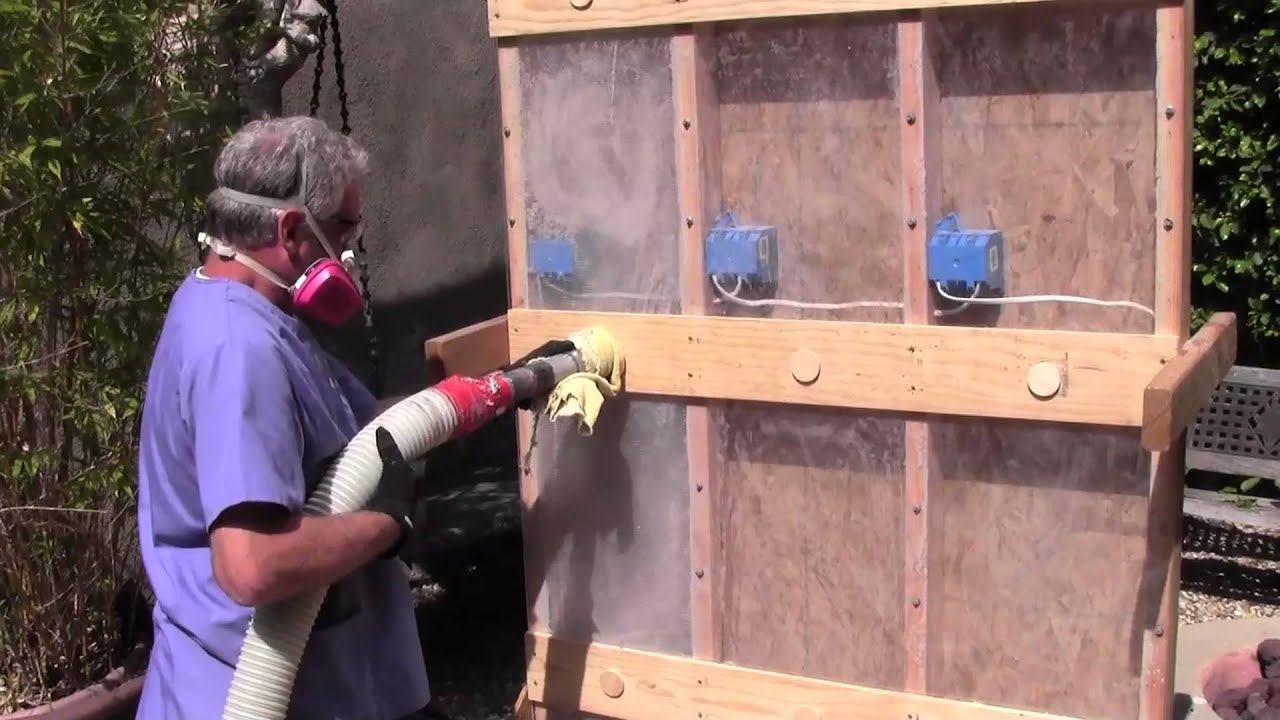
Blown-in usually moves faster on attic floors because the crew can distribute material across a wide area without cutting each section to fit. Rolled insulation takes more hand labor. Every bay, obstruction, edge, and penetration has to be worked individually.
That affects more than schedule. It affects consistency.
| Performance Area | Blown-In | Rolled |
|---|---|---|
| Around wiring and pipes | Strong | Weak if not carefully cut |
| Uniform attic floor coverage | Strong | Mixed in irregular spaces |
| Risk of compression | Lower during placement | Higher during fitting |
| Best setting | Existing attics and retrofits | New, open, uniform framing |
The more complicated the attic, the less forgiving batt insulation becomes.
Homeowners often ask whether one type is quieter. In practical terms, both can help with sound, but that isn’t usually the deciding factor in a South Florida attic. Heat gain, air movement, and moisture exposure matter more. If noise control is a priority in interior walls, the recommendation may differ from what makes sense on an attic floor.
For most homes in this region, blown-in wins the head-to-head because it covers more completely and leaves fewer weak spots. Rolled insulation still has a place, but only where the framing allows it to be installed nearly perfectly.
A South Florida attic can look fine on install day and still cost you money every month if the insulation choice does not match the heat load and moisture conditions above the ceiling. I see that play out most often in homes where the price conversation stays focused on material cost and ignores AC runtime, duct losses, and the fact that humid attic air finds every gap it can.
There are two cost questions that matter. What does it cost to put in, and what does it cost to live with for the next several years?
Good Attic’s cost comparison places average U.S. attic insulation costs at $1,312 for blown-in versus $1,670 for batt or roll. Those numbers are useful as a starting point, but they do not tell the whole story for South Florida homes, where attic geometry, ductwork, recessed lights, soffit conditions, and access can change labor fast.
Rolled insulation can price out lower in a clean, open attic with straightforward framing. In a chopped-up attic with truss webs, low clearance, wiring, flex ducts, and uneven surfaces, labor goes up and performance usually goes down if the installer rushes the fitting. Blown-in often closes that pricing gap because the crew can cover the attic floor more evenly with less hand-cutting.
The return is rarely just about R-value on paper. In this region, the bigger payoff is reducing heat gain that keeps the AC running longer than it should.
That is why I tell homeowners to price insulation as part of the cooling system, not as a separate line item.
If the attic still leaks air and allows humid heat to work into the house, the thermostat may satisfy eventually, but the system runs harder to get there. Utility bills stay high. Rooms feel uneven. The equipment takes more wear over time.
| Cost Factor | Blown-In Insulation | Rolled (Batt) Insulation |
|---|---|---|
| Typical quote structure | Usually based on attic area, target depth, and machine application | Usually based on material plus more hand labor |
| Best chance of staying on budget | Irregular attic floors and retrofit work | Open framing with easy access |
| Labor risk | Lower in attics with obstacles | Higher where cutting and fitting are slow |
| Performance risk tied to installation | Missed depth or uneven distribution | Gaps, compression, and incomplete fit around obstructions |
| Long-term value in South Florida | Often better when coverage is the main problem | More dependent on near-perfect install conditions |
Heat and humidity make small installation flaws more expensive here than they are in drier climates. A batt that leaves gaps around can lights, wiring, top plates, or awkward framing does more than lose efficiency. It gives hot attic air more opportunity to affect ceiling temperatures and indoor comfort.
Blown-in usually gives better attic floor coverage, which is why it often delivers better value than rolled insulation in older Florida homes. But coverage alone is not the same as air sealing. If the attic has a lot of leakage pathways, loose-fill and batts both leave money on the table because neither one stops air movement the way homeowners expect.
That is the point where fiberglass comparisons start to miss the main issue.
If you’re weighing long-term cost instead of just install price, this breakdown of spray foam vs fiberglass insulation cost is the better next comparison. In hot, humid South Florida homes, spray foam often earns its higher upfront price by addressing insulation and air leakage together, which neither blown-in nor rolled fiberglass does well on its own.
For readers outside Florida, local incentives can shift payback timelines. A good example is Arizona homeowners' rebate options, which shows how utility programs can change the economics of insulation and HVAC upgrades.
South Florida changes the insulation conversation because moisture is never far from the equation. Heat alone is manageable. Heat plus humidity is what exposes weak spots.
In humid climates, blown cellulose can settle up to 20% over 5-10 years, which reduces its effective R-value. Rolled batts don’t settle the same way, but they’re prone to compression losses and can trap moisture. All About Energy Solutions’ humid-climate discussion notes that these vulnerabilities are magnified in high-humidity zones like South Florida.
That doesn’t mean blown-in is a bad choice. It means material selection matters, and so does the moisture profile of the building. A dry, controlled attic behaves differently from one with duct leakage, poor ventilation, roof moisture intrusion, or bath fan discharge issues.
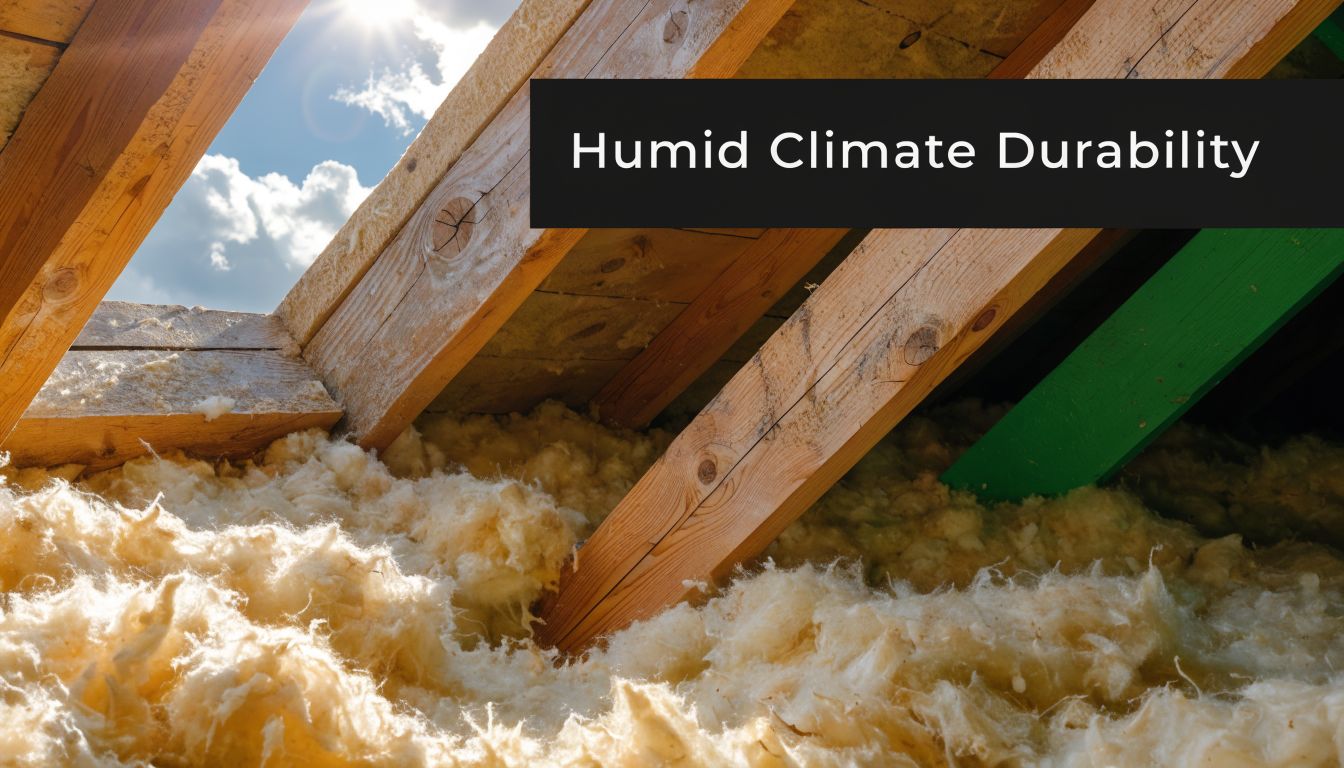
Blown-in insulation has a clear advantage in coverage, but some loose-fill materials can settle over time, especially where humidity stays high. Rolled insulation holds its shape better if it stays untouched and dry, yet it’s vulnerable to being compressed by storage, service work, or poor fitting at installation.
The field failures usually look like this:
Moisture problems rarely announce themselves as insulation problems first. Homeowners usually feel it as uneven cooling, musty odor, or rooms that stay sticky.
Insulation alone doesn’t stop mold. Moisture control does. If the attic has air leakage from below, roof leaks from above, or humidity getting trapped around ductwork, neither batt nor blown-in fully solves the underlying issue.
That’s why homeowners dealing with repeated humidity concerns should also review broader effective mold prevention strategies. The insulation choice matters, but so do roof condition, ventilation details, and whether the house is allowing warm, damp air to move where it shouldn’t.
For South Florida homes, this is the core trade-off. Blown-in usually performs better than rolled in irregular attics, but both systems still depend on the building staying dry enough for insulation to keep doing its job.
No insulation type wins everywhere. The right answer depends on the part of the building.
For most South Florida attics, blown-in is the better fit. Attics have too many interruptions for batts to stay efficient unless the framing is unusually clean and open. Electrical runs, mechanical penetrations, truss webs, and odd corners all make rolled insulation harder to install well.
If the attic floor is mostly unobstructed and the framing is standard, batts can still work. The catch is installation discipline. Every gap and compression point costs performance.
Wall cavities are more situation-specific.
For many builders, the wall decision comes down to production speed versus performance consistency. Batts are common because crews know them. That doesn’t mean they’re always the strongest performer.
Metal buildings are their own category in South Florida. They heat up fast, cool down fast, and condensation can become a significant problem. Fiberglass systems can be used in metal structures, but the assembly details matter much more than they do in a typical wood-framed home.
In workshops, storage buildings, and warehouses, insulation that leaves exposed joints or allows moist air to hit cooler metal surfaces can create ongoing comfort and moisture issues. That’s one reason metal building owners often end up looking beyond the simple blown insulation vs rolled decision.
If you want the shortest version, use this filter:
| Building Area | Usually Better Choice | Why |
|---|---|---|
| Attic retrofit | Blown-in | Better coverage around obstacles |
| Open wall cavity | Rolled batts or another system | Works when framing is simple and exposed |
| Existing enclosed wall | Blown approach | Easier to add without major tear-out |
| Metal building | Case-by-case, often not batt-first | Condensation control matters as much as insulation |
One side note for readers who manage properties in colder regions too. Roof edge issues behave very differently there. If that applies to you, Prime Gutterworks’ ice dam guide is a helpful resource, even though it isn’t a South Florida concern.
If the choice is strictly blown insulation vs rolled, blown-in is usually the better attic option in South Florida. It fills irregular spaces better, handles retrofit conditions better, and depends less on perfect hand-fitting around every obstruction. Rolled insulation still has value in open, predictable cavities, especially in new construction where crews can install it carefully.
But here’s the part many generic comparisons skip. Neither option fully solves the combination of heat, air leakage, and humidity that defines South Florida buildings. Blown-in can settle, depending on the material and conditions. Batts can compress, gap, and trap moisture if the assembly isn’t handled well. Both are still vulnerable when the building needs stronger control over air movement.
That’s where spray foam separates itself. It doesn’t just insulate. It also helps seal gaps and control the air movement that drives comfort problems and moisture migration. In hot, humid coastal conditions, that combination is often what homeowners, builders, and metal building owners need.
If your main problem is more than low R-value, if it’s humidity, uneven cooling, duct loss, or a hot attic that keeps bleeding into the house, spray foam is usually the better long-term answer.
For simple budget upgrades, blown-in often makes sense. For a higher-performance enclosure in South Florida, spray foam is the system that addresses the weaknesses both traditional options leave behind.
If you’re ready to solve attic heat, humidity, and air leakage with a system built for South Florida conditions, Airtight Spray Foam Insulation can help. They serve homeowners, builders, and property managers across Jupiter, Palm Beach Gardens, West Palm Beach, Wellington, and Stuart with specialized spray foam solutions for attics, walls, garages, roofs, and metal buildings. Request a free quote to find out what insulation approach makes the most sense for your property.