The most common advice about attic fans in florida sounds simple. Your attic is blazing hot, so install a fan and push the heat out.
That advice is incomplete in South Florida. Heat is real, but humidity is usually the deciding factor. A fan can help in the right attic, with the right intake ventilation, and with the right house design. In the wrong attic, it can pull wet outdoor air through the space, rob conditioned air from the house below, and leave the owner with a system that moves a lot of air without solving the actual moisture problem.
That's why the better question isn't “Should I add an attic fan?” It's “What kind of attic do I have, and what problem am I trying to solve?”
South Florida attics get brutally hot. Florida attic temperatures can exceed 140-160°F during summer months, and without proper ventilation or insulation strategies, that heat drives up cooling costs and accelerates roof degradation, as noted in Foxhaven Roofing's Florida attic ventilation guide.
That makes attic fans feel like an obvious fix. Pull the hot air out, lower attic temperature, and help the AC. On paper, that sounds reasonable.
The problem is that Florida isn't a dry climate. An attic fan doesn't remove “heat” in isolation. It moves air. In Jupiter, West Palm Beach, Wellington, and nearby coastal areas, that usually means moving hot, moisture-heavy air.
In a dry region, active attic ventilation can behave close to the textbook version. In South Florida, the fan often becomes part of a larger moisture story. If soffit intake is weak, blocked, or poorly balanced, the fan starts hunting for replacement air from anywhere it can get it. That can include gaps around ceiling penetrations, recessed lights, attic hatches, duct boots, and wall cavities.
Practical rule: In Florida, an attic strategy that ignores moisture usually creates a second problem while trying to solve the first.
That's why doing nothing isn't smart, but blindly adding a fan isn't smart either. Some homes need better venting. Some need air sealing. Some need a sealed attic approach. And some need a careful hybrid strategy instead of a one-size-fits-all fix.
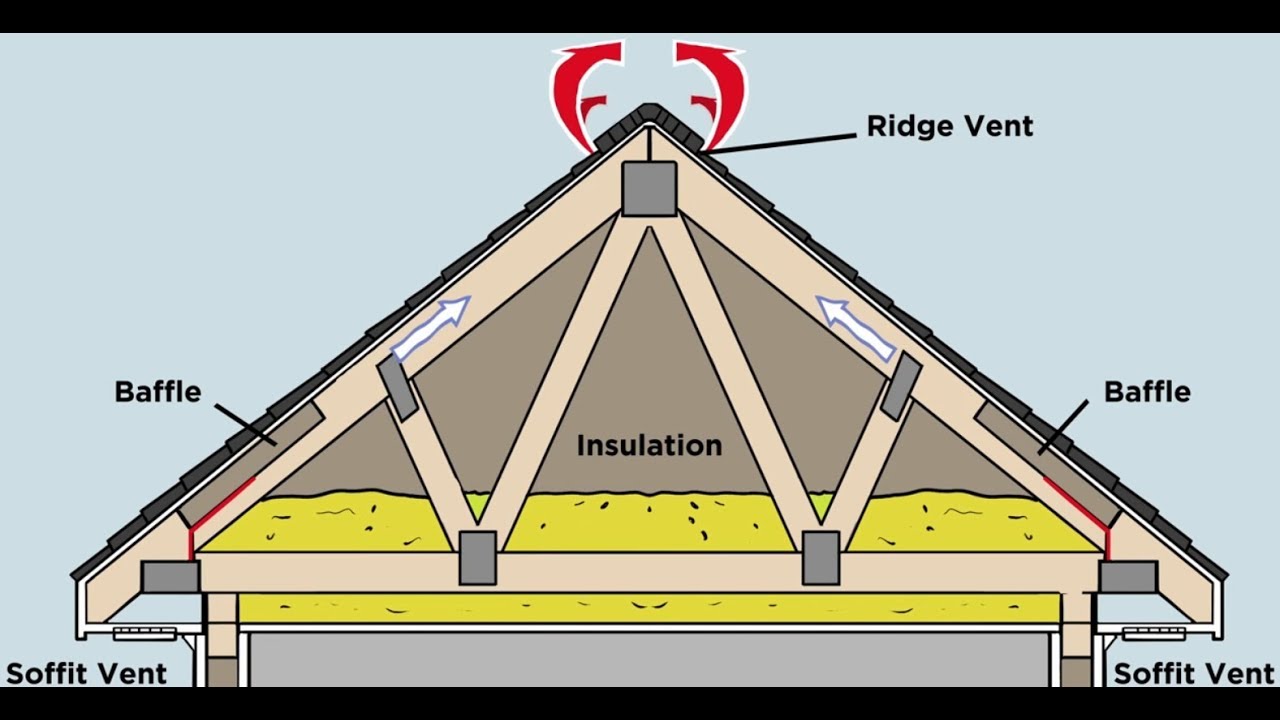
An attic fan is basically a powered exhaust device for the attic. It's meant to pull superheated air out near the top of the roof or gable, while lower intake vents, usually soffit vents, let replacement air enter.
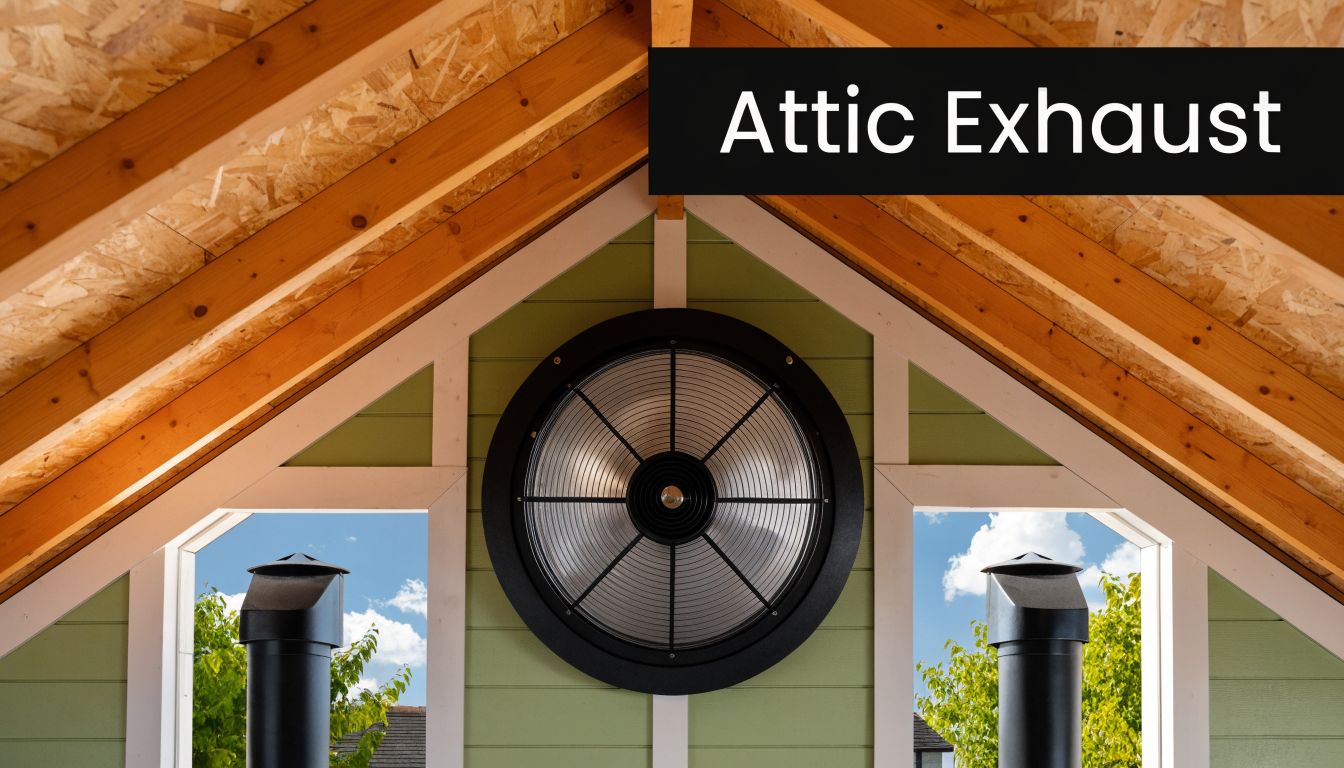
If you want a quick primer on how passive and powered systems fit together, this overview of types of attic ventilation is useful because it frames the attic as a system, not just a fan mounted in a hole.
In an ideal vented attic, the process looks like this:
That's the intended design. It only works well when intake and exhaust are balanced and the attic remains outside the conditioned envelope of the house.
Most homeowners run into a few common versions:
Some powered models can move serious air volume, which is why people notice quick temperature effects. That performance is also why sizing, intake capacity, and house leakage matter so much. A strong fan in a leaky house can do more than ventilate the attic. It can change pressure relationships across the whole structure.
A fan isn't a standalone fix. It only performs well when the attic, soffits, ceiling plane, and insulation strategy all support the same airflow plan.
A lot of attic fan marketing focuses on heat. In Florida, the bigger building science question is what air the fan is replacing, and where that air comes from.
Electric and solar attic fans are capable of moving 1,200-1,600 cubic feet per minute (CFM), but some models have been recalled for motor overheating, posing a fire risk in hot attics filled with flammable materials, according to American Roofing FL's Florida roof ventilation guide.
That CFM sounds impressive, and sometimes it is. But moving a lot of air isn't automatically good if the air is wet, the intake path is poor, or the ceiling plane leaks.
Every powered attic fan has to replace the air it exhausts. If soffit vents are open, continuous, and properly sized, a lot of that replacement air should enter there. If they're blocked by insulation, undersized, or interrupted, the fan starts pulling from easier paths.
Common examples include:
When that happens, the fan may pull conditioned indoor air into the attic and dump it outside. The AC works harder, but the owner thinks the attic fan is “helping” because the attic itself feels less hot.
South Florida outdoor air usually carries heavy moisture. When a fan continuously drags that air through a vented attic, you're not just flushing heat. You're bringing in moisture that can linger on framing, sheathing, fasteners, and duct surfaces.
That doesn't mean every fan causes mold. It means the moisture risk rises fast when airflow design is sloppy.
Here's a useful visual explanation of how attic conditions and airflow can turn into a comfort and moisture problem:
Depressurization is one of the most misunderstood parts of attic fans in florida. If the fan can't get enough makeup air from soffits, it creates negative pressure in the attic. Air then gets pulled from the house below.
That causes a few predictable problems:
| Issue | What happens in the real house |
|---|---|
| Conditioned air loss | Cool indoor air leaks upward and gets exhausted outside |
| Comfort imbalance | Rooms get harder to keep stable, especially upper floors |
| Moisture migration | Air moves through hidden building cavities and can carry humidity with it |
| Mechanical waste | The AC runs longer to replace what the fan just threw away |
If a powered fan is strong but intake is weak, the fan doesn't become more effective. It becomes more disruptive.
The fire-risk side matters too. In Florida attics, heat is relentless. Any powered equipment installed in that environment needs to be selected carefully and evaluated as part of the whole attic system, not as a gadget purchase.
The decision usually isn't “fan or no fan.” It's vented attic versus sealed attic.
A vented attic treats the attic as outside the home's thermal envelope. The goal is to flush heat and moisture with soffit and exhaust ventilation, sometimes helped by a powered fan. A sealed attic flips that logic. Instead of venting the attic aggressively, you insulate and air-seal the roofline so the attic becomes part of the controlled building enclosure.
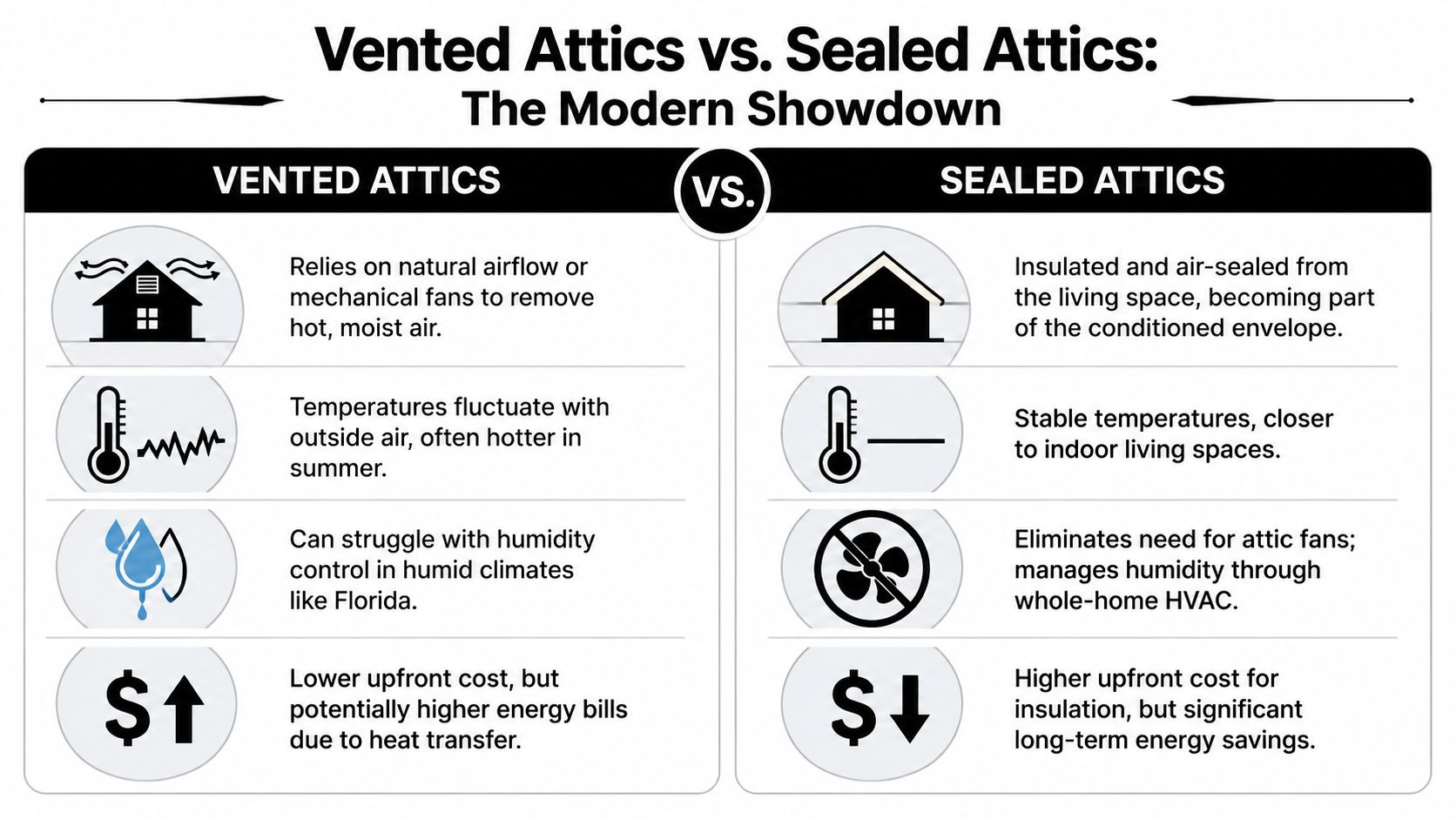
A traditional vented attic still has a place. If the roof design allows clean intake and exhaust paths, ducts are reasonably protected, ceiling leakage is controlled, and the budget is tight, a vented assembly can perform acceptably.
It's also the familiar approach for many roofers and remodelers. Building officials, installers, and owners all understand what soffit vents, ridge vents, and gable venting are supposed to do.
Still, the vented approach has limits in hot-humid Florida. It depends on outdoor air to manage conditions in a climate where outdoor air often carries the very moisture you're trying to manage.
A sealed attic uses spray foam at the roof deck or roofline to move the thermal and air boundary upward. That changes the attic from a harsh buffer zone into a much more stable environment.
Air leakage is often the bigger enemy than raw insulation value alone. A sealed roofline cuts off many of the bypass routes that make vented attics difficult to control.
While vented attics with fans can cut cooling costs by 10-15%, unvented sealed attics with spray foam can cut cooling costs by 20-30% or more by creating a superior air barrier and eliminating thermal bypass, according to SkySpec's Florida discussion of attic ventilation and foam.
| Approach | Strengths | Weak points |
|---|---|---|
| Vented attic with fans | Lower initial complexity, familiar to many contractors, can help remove heat from a conventional attic | Can pull humid air through the attic, depends heavily on soffit performance, can waste conditioned air if the ceiling plane leaks |
| Sealed attic with spray foam | Better air control, stronger humidity strategy, more stable attic temperatures, better environment for ducts and equipment | Higher upfront cost, requires correct detailing, not a casual retrofit if the roof assembly has unresolved moisture issues |
Field takeaway: If the homeowner's main complaint is “my upstairs won't stay comfortable,” the answer often isn't more attic airflow. It's better control of where heat and moisture enter the house.
Many people compare these systems as if they're interchangeable products. They aren't. One is an airflow strategy for an attic that remains vented. The other is an enclosure strategy that changes what the attic is.
That distinction matters. In a vented attic, the fan is trying to improve an outdoor-adjacent space. In a sealed attic, the goal is to stop treating the attic like outdoors in the first place.
If your attic has leaky ducts, irregular soffit venting, comfort complaints, and persistent humidity concerns, a sealed approach often solves the root issue more directly than adding a stronger exhaust fan.
Yes, but only in specific situations. A lot of online advice goes off track regarding this topic.
If you have a fully sealed attic with spray foam applied to the underside of the roof deck, adding a powered attic fan usually works against the assembly. The foam is there to create an air boundary. A fan introduces pressure differences that can undermine that goal.
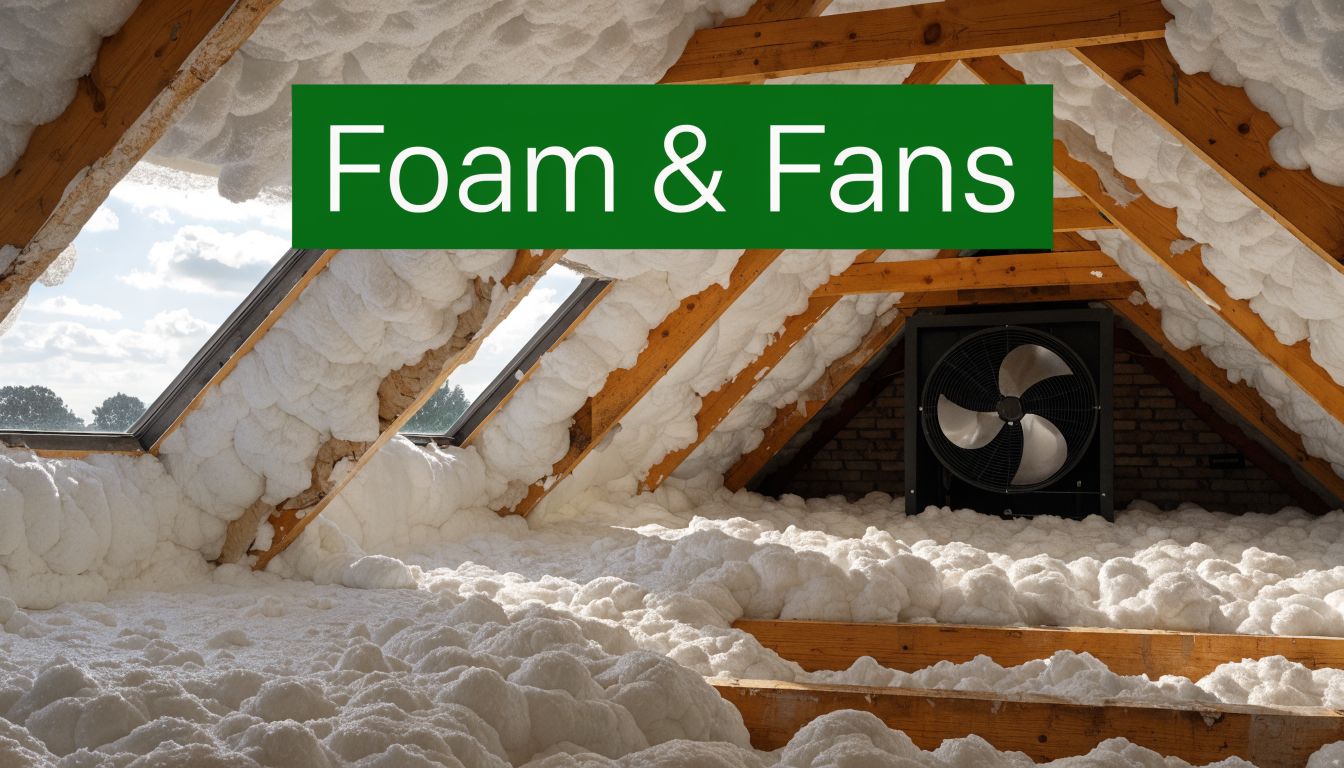
If the attic is intentionally unvented and the roofline is spray foamed, the better practice is usually to let the attic remain part of the controlled envelope. You don't want a powered device trying to evacuate air from a space you just spent money sealing.
That's especially true when owners install foam to fix comfort and humidity complaints. Adding a fan after that can reintroduce pressure and moisture behavior the foam was meant to stop.
Hybrid conditions do exist. In parts of South Florida, especially in stricter wind and exposure conditions, a code-compliant, carefully selected fan can be part of a larger moisture-control plan.
In Florida's High-Velocity Hurricane Zones (HVHZ), pairing FBC-approved fans with closed-cell spray foam can be a strategy to meet code, manage post-storm moisture, and optimize energy performance, with ROI in 3-5 years, based on Building Enclosure's report on FBC-approved HVHZ ventilation solutions.
That doesn't mean “foam plus fan” is automatically best. It means there are niche conditions where the assembly is designed intentionally, not improvised.
For homeowners who want a second perspective on airflow basics before making changes, Superior Home Improvement's guide gives a useful overview of why intake and exhaust balance matters more than just adding more exhaust.
Before combining foam and fans, check these issues first:
Where is the foam located
Foam on the attic floor is a different assembly than foam on the roof deck.
Is the attic vented or unvented by design
Don't mix strategies by accident.
What problem are you solving
Heat, condensation, duct loss, post-storm moisture, and comfort imbalance do not all have the same fix.
Was the installation planned as a system
If not, it's worth reviewing the installation sequence and details in this guide on how to spray foam insulation, because sequencing and placement matter as much as product choice.
A hybrid attic can work. A half-vented, half-sealed attic usually doesn't.
The best answer depends on the property, the roof assembly, and the owner's priorities. There isn't one universal recommendation for attic fans in florida, but there is a clear way to think through the decision.
A powered fan should never be the first move in a poorly detailed attic. It should be the last move after confirming the passive system and air barrier aren't already failing.
A sealed attic usually makes more sense when the home has:
In that scenario, the smarter investment is often air sealing at the attic boundary. This is why work like attic air leak sealing often changes house performance more meaningfully than exhausting attic air faster.
Metal buildings, workshops, warehouses, and low-slope assemblies often need a different conversation than a standard suburban vented attic. In those cases, roof system design becomes part of the insulation decision.
For readers comparing enclosure approaches beyond residential attics, Arizona Roofers' SPF roof services are a useful example of how spray polyurethane foam is applied at the roof level in other building types. The assembly is different, but the lesson is similar. Control air and moisture at the right boundary.
Ask these questions in order:
Is the attic supposed to be vented or sealed?
If you can't answer that, don't install a fan yet.
Are the soffits delivering intake air? If not, fix that first.
Are ducts and ceiling leaks turning the attic into an energy loss zone?
If yes, solve leakage before adding mechanical exhaust.
Is the owner chasing lower cost now or better performance over time?
That often determines the right path more honestly than brand comparisons do.
If you remember one thing, remember this. In Florida, attic performance is about moisture control and pressure control, not just heat removal.
A fan can help the right vented attic. It can also make the wrong attic worse. A sealed attic can deliver stronger long-term control, but only when it's designed and installed correctly. The wrong move is treating every hot attic the same.
Look for evidence, not assumptions:
If a powered fan is still on the table, sizing has to be grounded in the attic's layout. For technical sizing, the Home Ventilation Institute recommends a minimum CFM of attic square footage × 0.7, and homeowners should first verify soffit intake is at least 50% of the exhaust area to prevent fan inefficiency and depressurization, according to iSolar Solutions' attic fan sizing guide.
Sometimes the best next call is an insulation contractor. Sometimes it's a roofer. Sometimes it's an HVAC pro who can assess how attic conditions affect the house below. If you're trying to coordinate that side of the project, directories of Tampa heating and cooling service providers can help owners understand what kind of mechanical contractor to involve when attic pressure, duct loss, and comfort complaints overlap.
The point is simple. Don't buy a fan first and ask questions later. Diagnose the attic assembly, decide whether it should stay vented or become sealed, and choose a strategy that fits Florida's humidity instead of fighting it blindly.
If your attic runs hot, feels damp, or keeps driving comfort problems inside the house, Airtight Spray Foam Insulation can evaluate the assembly and recommend the right fix for South Florida conditions. Whether that means improving air sealing, converting to a sealed attic, or helping you understand when a fan does and doesn't make sense, their team provides practical guidance backed by hands-on local experience.