
You hear it most at night.
The neighbor's gate clicks shut. A car rolls past on wet pavement. The air conditioner kicks on again. Then a summer storm moves in and the whole house starts carrying sound through the roof, walls, vents, and tiny openings you didn't know were there. In South Florida, noise rarely comes from one source. It comes from traffic, rain, rooftop equipment, nearby patios, pool pumps, and wind-driven pressure changes that push outdoor air, and outdoor sound, into the building.
That's why sound insulation installation here can't be treated like a simple “make the room quieter” upgrade. In this climate, sound control and moisture control live in the same conversation. If an assembly leaks air, it usually leaks noise too. And if it handles humidity poorly, the material choice that looked fine on paper can become a problem in the field.
A lot of South Florida homes feel noisy for the same reason they feel sticky. The building shell isn't controlling what comes in. Outside air finds gaps around top plates, rim areas, can lights, duct penetrations, attic hatches, window framing, and wall transitions. Sound uses those same paths.
That matters in real life. A bedroom that picks up road noise usually also struggles to hold temperature. A bonus room over a garage often sounds hollow and humid at the same time. In older homes near the coast, I've seen the same weak points show up over and over. Unsealed soffit areas, leaky attic access panels, wall penetrations around linesets, and duct runs that turn the whole house into a speaker box.
Homeowners often ask for “soundproofing,” but what they usually need first is control. Not just thicker walls. Control over air movement, moisture migration, and flanking paths.
That's where understanding building envelopes becomes useful. If the envelope is loose, sound insulation by itself won't carry the job. South Florida makes that even more obvious because humidity exposes weak assemblies fast.
Practical rule: If outside air can move through an assembly, outside noise can move through it too.
A generic sound guide written for a dry climate misses the local problem. Here, the wrong material in the wrong place can absorb moisture, lose consistency, and still leave the house noisy because the air leaks were never addressed. That's why I look at sound insulation installation as part of an airtight comfort system, not as a stand-alone acoustic add-on.
Openings around framing transitions, roof decks, wall penetrations, and mechanical runs affect both comfort and privacy. Fix those and the home usually feels calmer in more than one way. The room gets quieter, yes, but it also feels more stable. Less muggy. Less drafty. Less reactive every time the weather shifts.
Sound moves through houses in two basic ways. The first is airborne noise, like voices, TV audio, traffic, barking dogs, or the hiss of tires in rain. The second is structure-borne noise, sometimes called impact noise, like footsteps above, a slamming door, or vibration from equipment mounted to framing.
If you don't separate those two, you end up choosing the wrong fix. Fibrous insulation can help with airborne sound inside a wall cavity. It's less effective when the underlying problem is vibration moving through connected framing, floor assemblies, or rigid drywall contact points.
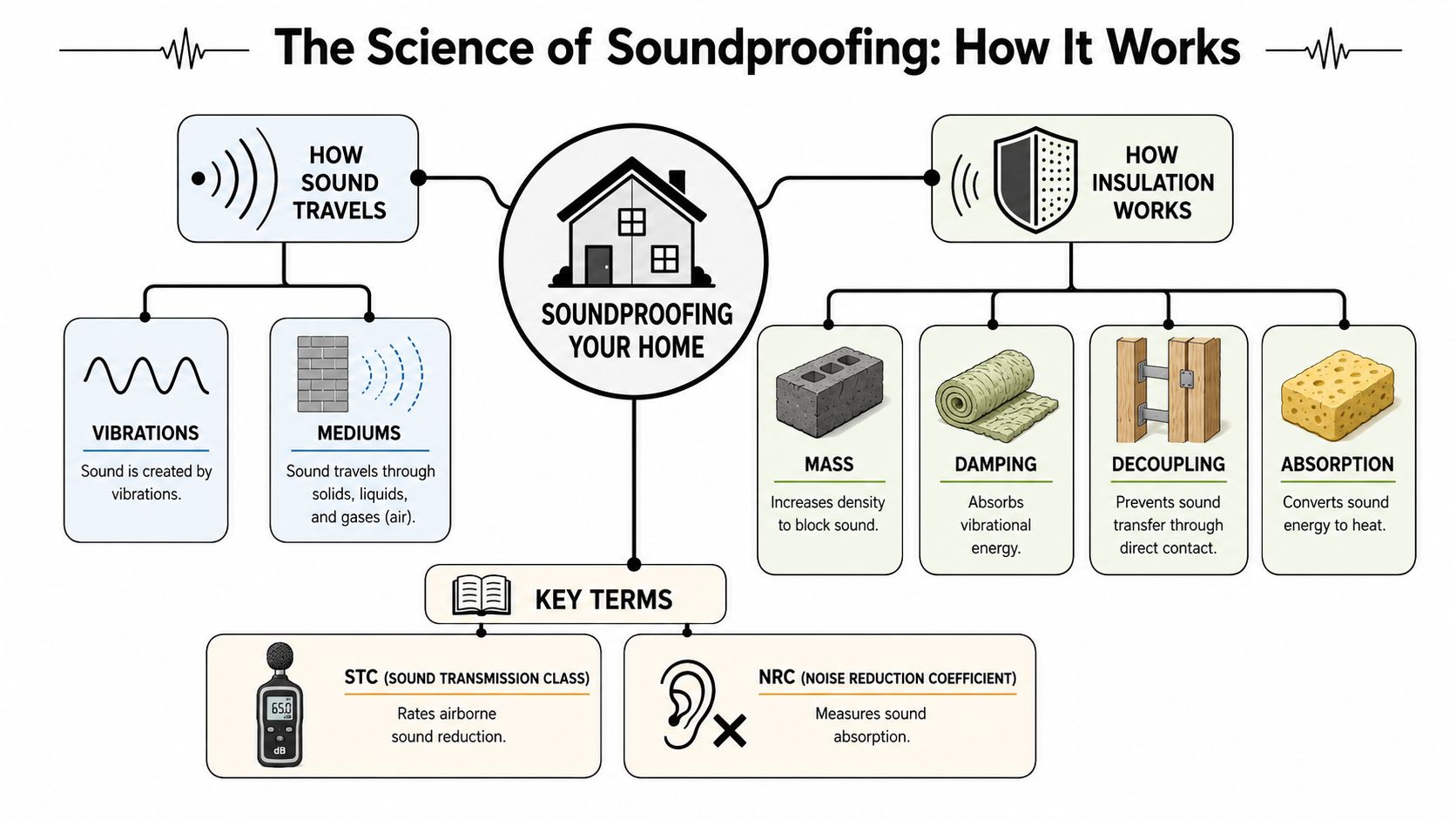
STC means Sound Transmission Class. It's a lab rating used to describe how well a wall assembly reduces airborne sound. Higher is better, but the important part is knowing what number fits the room.
Industry benchmarks put interior walls between living spaces at a minimum STC of 36, bedrooms at 52, and living rooms or kitchens at 55. The same guidance also makes the key point most homeowners miss. Insulation alone rarely reaches those targets without added measures like decoupling or mass-loaded vinyl according to this acoustic insulation guide.
Here's the practical takeaway. If you insulate a bedroom wall and still hear speech clearly, the issue may not be the insulation thickness. It may be the assembly design, the drywall connection, or the air leakage around the perimeter.
A lot of failed sound jobs are really failed air-sealing jobs.
Data from a soundproofing guide focused on insulation notes that gaps in building structures create direct paths for exterior sound, and spray foam blocks sound more effectively than insulation alone because air sealing is the missing variable in 80% of DIY soundproofing failures in this discussion of house soundproofing with insulation.
That tracks with what shows up in the field. A wall can be insulated and still perform poorly if sound slips through outlet boxes, baseboard lines, window trim gaps, top plates, or duct openings. Sound doesn't care that most of the cavity is filled. It finds the weak spot.
Airtightness isn't a side benefit in sound control. It's often the deciding factor.
When I explain sound insulation installation to homeowners, I keep it to four actions:
For homeowners comparing options, insulation as a sound barrier is a good starting point because it helps separate marketing claims from assembly performance.
A South Florida wall has to do two jobs at once. It has to cut noise, and it has to manage humid air before that moisture reaches a cool surface and turns into condensation. If a material helps with sound but leaves the assembly vulnerable to dampness, mold, or musty odors, it is the wrong material for this climate.
That is why generic soundproofing advice misses the mark here. In Miami-Dade, Broward, and Palm Beach, I am not only thinking about TV noise through a bedroom wall. I am thinking about wind-driven rain, salt air, long cooling seasons, attic heat, and the way humid outside air pushes into small cracks around framing and penetrations. Material choice has to reflect that reality.
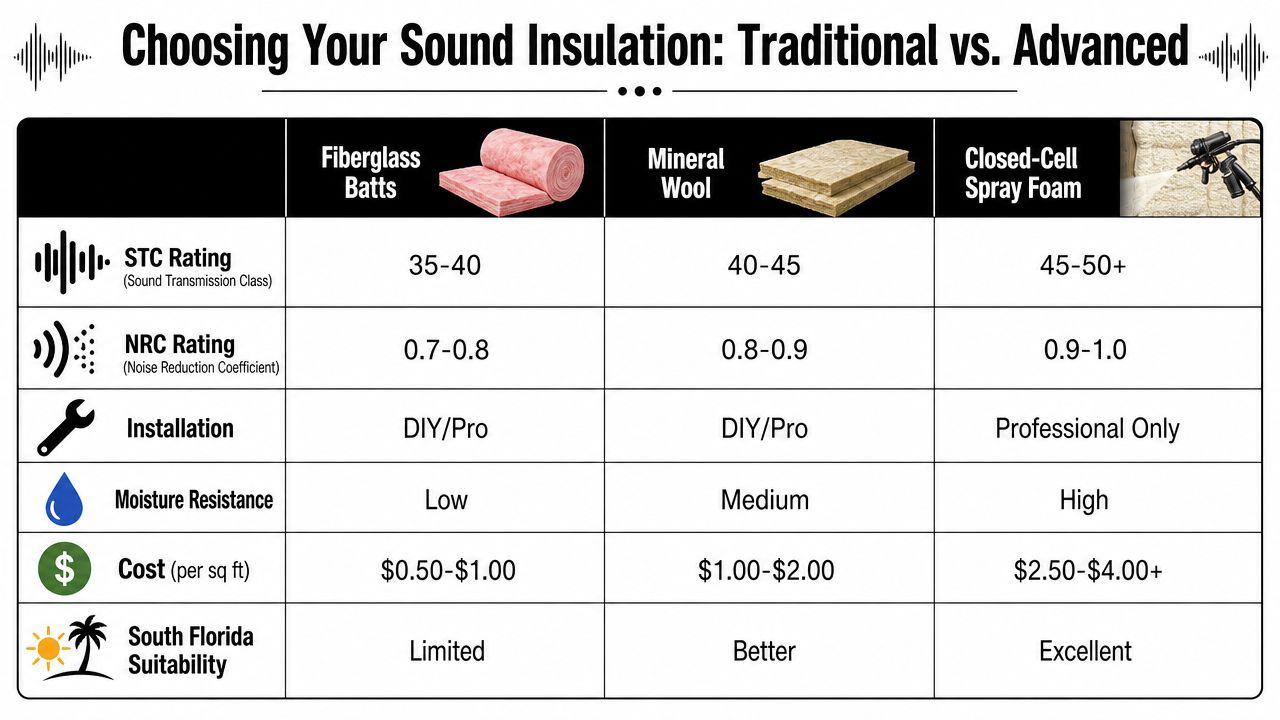
Fiberglass and mineral wool still belong in the conversation. Mineral wool does a solid job in interior partitions where the cavity stays dry and the main goal is reducing airborne sound between rooms. Fiberglass can help on a budget, but it loses effectiveness fast if it is cut loosely, compressed, or installed around pipes and boxes with gaps left behind.
Spray foam solves a different set of problems. It insulates, limits air movement, and conforms to uneven cavities that batt products often miss. In South Florida homes, that matters in rooflines, block-to-frame transitions, rim areas, additions, garage walls, and any assembly with a lot of penetrations. During hurricane season, that tighter assembly also helps reduce the whistling and pressure-driven noise that comes through leaky gaps.
Open-cell and closed-cell foam are both useful, but they are built for different conditions. Choosing between them comes down to where the material is going, what kind of noise you are fighting, and how much moisture risk the assembly carries.
| Feature | Open-Cell Spray Foam | Closed-Cell Spray Foam |
|---|---|---|
| Primary strength | Air control with a softer structure that absorbs sound well | Air control with a denser, rigid structure that resists moisture |
| Typical use | Interior walls and select roofline applications designed for it | Attics, roof decks, crawlspaces, metal buildings, and exterior-oriented assemblies |
| Sound behavior | Usually the better fit for airborne sound in interior framed walls | Reduces sound while also strengthening the assembly and limiting moisture movement |
| Moisture response | More vapor open | Lower vapor permeability and better resistance to water exposure |
| Best fit in South Florida | Interior partitions where room-to-room noise is the main complaint | Areas exposed to heat, humidity, condensation risk, or storm-related moisture load |
Open-cell often performs well inside bedroom walls, office partitions, and media rooms because its softer structure helps absorb airborne sound. Closed-cell is usually the better call where moisture control is tied directly to long-term performance. I see that in roof decks, garages, metal structures, and walls that face heavy weather exposure.
Use the assembly first, then the product.
One material rarely solves every problem in the house. A smart plan might use closed-cell under a roof deck, open-cell in selected interior walls, and sound absorbing insulation panels for rooms with echo problems where the issue is sound bouncing inside the space, not just passing through the wall.
The right material matches the assembly, the moisture conditions, and the type of noise you need to reduce.
That trade-off matters. If the job is an interior partition in a dry, conditioned part of the house, mineral wool or open-cell may be the better value. If the job is a South Florida roofline or an exterior-facing assembly that has to stay quiet and stay dry, spray foam usually gives the better result because it addresses sound and moisture together.
Professional sound insulation installation starts before any material gets sprayed or placed. The prep work determines whether the assembly performs cleanly or becomes an expensive cover-up for unresolved leaks, wet surfaces, and missed penetrations.
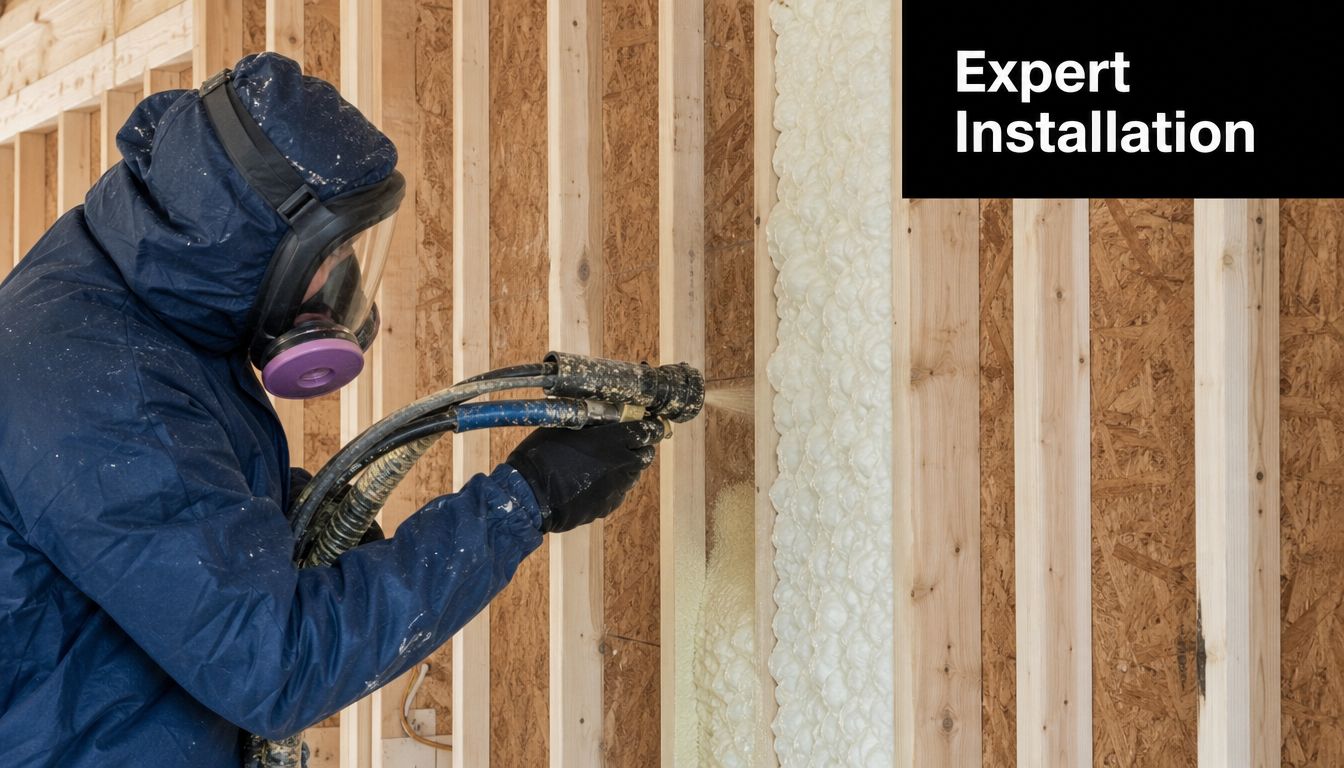
In framed walls, the first step is inspection. We look for plumbing lines, electrical boxes, low-voltage runs, recessed fixtures, window rough openings, and any surface contamination that could interfere with adhesion or create hidden gaps. South Florida homes often have a mix of old repairs and newer additions, so one wall can contain multiple framing conditions.
Then the space gets protected. Windows, floors, hardware, tubs, cabinets, and mechanical components need masking because overspray control is part of doing the job right. After that, the installer works cavity by cavity and pays attention to depth. With batt systems, compression hurts performance. Guidance from a sound attenuation installation resource notes that success rates drop when materials are compressed, and batts should fit snugly without being forced into cavities. Spray foam avoids that specific issue by expanding to fit in this installation discussion.
That matters in odd framing. Around wires, pipes, and boxes, spray foam can close the little air channels that often get ignored with cut-and-fit materials.
Attics in South Florida are their own category. Heat, humidity, wind-driven rain concerns, ductwork, and roof geometry all show up at once. When the goal includes sound reduction from rain, aircraft, road noise, or mechanical equipment, the roofline is often the biggest opportunity.
The underside of the roof deck needs to be dry, accessible, and clean enough for consistent adhesion. Truss intersections, ridge transitions, eaves, and top-plate lines are where quality separates itself. Miss one of those and the assembly can still leak noise and humid air.
A professional crew also thinks about sequencing. If HVAC changes, electrical rough-ins, or can lighting revisions are still coming, spraying too early creates rework and often damages the continuity of the air barrier.
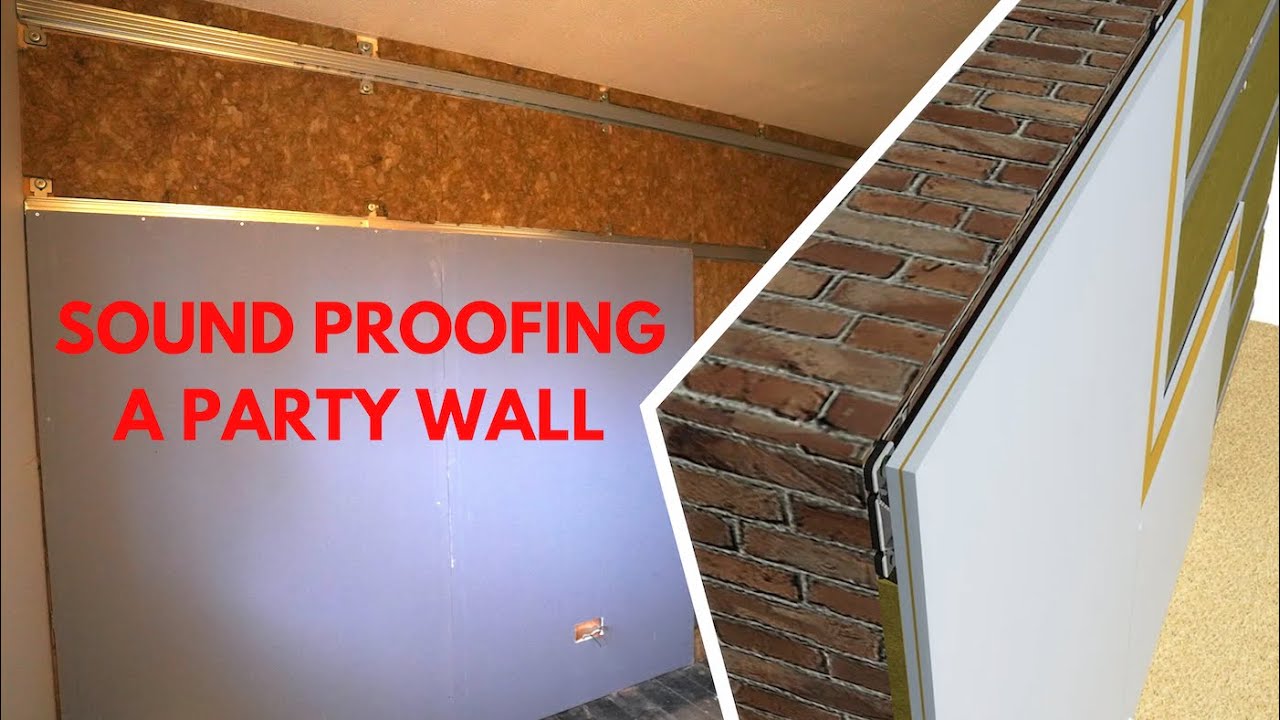
Ceilings need a different strategy from walls because they often deal with both airborne and impact noise. If the room above carries footsteps or furniture movement, insulation alone won't solve it. The framing connection has to be considered.
For sound insulation, assembly details matter. Resilient connection methods, proper drywall attachment, and careful perimeter sealing all matter more than homeowners expect. It's not unusual to see a ceiling insulated well and still hear plenty of impact noise because vibration is bypassing the cavity through direct framing contact.
Here's a useful field demonstration of spray application and what a proper installation setup looks like:
Metal buildings are common in South Florida for shops, storage, commercial units, and mixed-use workspaces. They're also unforgiving. Without the right insulation strategy, they amplify sound and attract condensation.
For these projects, closed-cell foam often makes sense because it bonds directly to the metal surface, limits interior condensation, and reduces the ringing effect that thin metal skins produce during rain or wind. The installer has to watch thickness consistency, overlap patterns, and surface temperature. If steel is dirty, oily, or damp, adhesion suffers.
Even a good material can underperform when the process is sloppy. Sound insulation installation isn't just about filling space. It's about continuity.
A careful crew will usually work through the same sequence:
For owners comparing contractors, professional insulation installation services should include that kind of discipline, not just a material quote.
A South Florida homeowner usually notices the problem after the first heavy rain band or wind event. The wall looked insulated, but the bedroom still picks up road noise, the attic feels damp, and the room never seems fully comfortable. In this climate, sound control and moisture control fail together when the installation is loose at the edges.
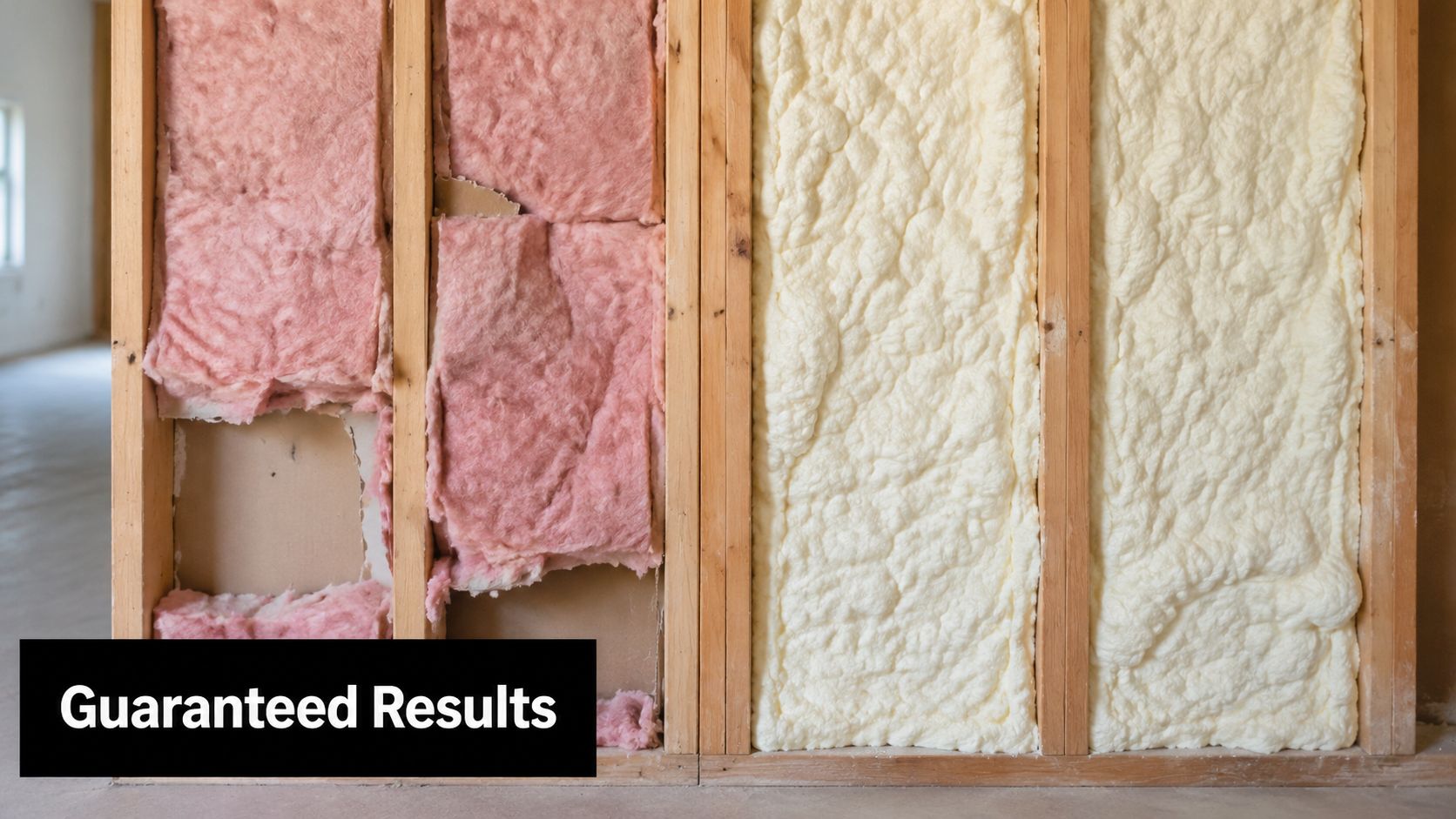
That is the gap between DIY expectations and professional results. A homeowner can buy material and fill a cavity. The harder part is building an assembly that blocks sound, controls humid air, and holds up through hurricane season.
I see the same trouble spots over and over in South Florida houses. A weekend project may cover the open stud bays and still leave the weak points untouched. Sound moves through outlet boxes, top plates, soffit lines, duct chases, recessed fixtures, and framing connections. Humid air uses those same paths. Once that air reaches a cooler surface, you get condensation risk along with the noise problem.
The common issue is not effort. It is missing the parts of the assembly that decide performance.
A lot of homeowners start with DIY soundproofing methods and get some improvement. The limit shows up fast in our climate. If the assembly is not air sealed, the room may sound a little better while still taking on humid air that leads to musty odors, comfort complaints, or hidden moisture damage.
Professional installation changes the risk because the crew is accountable for more than material placement. They have to read the building, watch substrate conditions, manage ventilation during application, and apply the right foam for the assembly and exposure.
That matters in South Florida. Humidity swings, hot roof decks, wind-driven rain, and concrete block construction create installation conditions that generic soundproofing advice rarely covers. Closed-cell spray foam often earns its keep here because it helps reduce sound transfer while also limiting humid air movement toward cooler surfaces. That combination is hard to match with a simple DIY approach.
A guarantee also means someone owns the result. If adhesion fails, thickness is inconsistent, or an area gets missed, the contractor has to correct it. That is a different standard from a homeowner hoping a filled cavity will solve the problem.
Quiet matters. Dry assemblies matter just as much. In South Florida, the better installation is the one that handles both.
A South Florida homeowner usually reaches the same point after we identify the weak spots. They want the room quieter, but they also want to know whether the fix will hold up through August humidity, wind-driven rain, and years of HVAC run time. Cost matters. Long-term performance matters more.
Price depends on the assembly and access. Open-cell and closed-cell foam do not cost the same. Neither does an interior wall, a garage ceiling under living space, or a roofline in a hot attic with tight working conditions. Drywall status, prep work, repairs, and the amount of air sealing needed all change the number, so any honest estimate has to come from the actual building.
Value is easier to judge if you stop looking at sound control as a stand-alone upgrade. In this climate, the better installation cuts noise and helps control humid air at the same time. That is why spray foam often makes more sense than patchwork fixes. You are not just paying for a quieter room. You are paying for an assembly that stays drier, performs more predictably, and is less likely to develop the musty problems I see in homes that only chased noise.
Spray foam does not need regular upkeep once it is installed correctly and covered by the finished assembly. It does not slump like some loose-fill products can, and it does not rely on a perfect friction fit that can leave gaps around odd framing or penetrations. The main maintenance issue is not the foam itself. It is whether the surrounding assembly stays intact, with no roof leaks, bulk water intrusion, or later trade damage.
That matters here. In South Florida, moisture is often the hidden cost. If outside air keeps leaking into wall or roof assemblies, sound performance drops and condensation risk goes up. Closed-cell spray foam earns its keep because it helps limit that air movement while adding sound control. Generic soundproofing advice rarely deals with that part of the job.
If you are still sorting out options, review some DIY soundproofing methods so you can separate interior sound treatment from real insulation work. Rugs, panels, and furnishings can reduce echo inside a room. They do not address humid air leakage through walls, ceilings, attic connections, or roof assemblies.
The next step is a site inspection with the noise source and the moisture path in mind. We look at where the sound enters, how the structure is built, where air is leaking, and whether the problem is traffic noise, equipment vibration, storm noise, or voice transfer between rooms. In South Florida, that combined diagnosis is what keeps a sound insulation project from turning into a comfort or moisture problem later.
Start with listening tests in the rooms that mattered most before the work. Compare daytime traffic, HVAC cycling, rain noise, and voice transfer from adjacent rooms. Then go one step further and test by sound type, not just overall loudness.
That distinction matters because frequency-specific testing is essential, since low-frequency sounds like HVAC and traffic penetrate standard insulation more easily than high frequencies, and 90% of installation guides omit that point according to guidance on sound insulation testing. If the complaint is a low rumble, a basic “it sounds a bit quieter” check isn't enough.
Usually not by itself. Low-frequency sound is the hardest part of the job. Subwoofers, mechanical equipment, and traffic rumble often require more than cavity fill. The assembly may need decoupling, added mass, or mechanical isolation at the source. If someone promises a single product will solve all bass transmission, be careful.
Yes, but the method depends on access. If walls are open during a remodel, options are much broader. If finishes stay in place, the better strategy may be the attic, roof deck, garage ceiling, selected wall sections, or targeted penetrations where noise and humid air are entering together. Retrofits work best when the diagnosis is precise.
No. It's often a strong option when the project needs both air sealing and moisture control along with sound reduction. But some interior partitions benefit from other acoustic materials, especially when impact isolation or added mass is the bigger issue. Good recommendations come from the assembly, not from forcing one material into every situation.
Usually the room where comfort complaints overlap. Bedrooms under a hot roof, offices beside a garage, bonus rooms near mechanical equipment, and metal outbuildings tend to show the clearest benefit because the noise problem and the air-leak problem often come from the same weak areas.
If your home, office, or building in South Florida feels noisy, humid, or hard to keep comfortable, Airtight Spray Foam Insulation can evaluate the assembly and recommend a practical path forward. The useful first step is a real inspection of the roofline, walls, penetrations, and problem rooms so the solution matches the way the building is performing.