If you live in South Florida, you probably know the rhythm already. The air conditioner runs most of the day, the house still feels a little sticky by late afternoon, and then the electric bill shows up. In many homes, the problem isn't just the HVAC equipment. It's the attic, the gaps around the building shell, and the constant heat and moisture pushing their way indoors.
That's why the federal home energy efficiency credit matters so much here. For a homeowner in Jupiter, West Palm Beach, Palm Beach Gardens, Wellington, or Stuart, this credit can help offset the cost of upgrades that make a house easier to cool, less humid, and more comfortable. In a hot coastal climate, that's not a luxury. It's part of keeping the home livable and efficient.
A lot of homeowners assume tax incentives are too complicated to be useful. In practice, this one can be very practical when you plan the job correctly. If you're starting to research what counts and how to line up a qualifying project, this overview of the home energy efficiency program is a helpful place to begin.
A common South Florida scenario goes like this. A homeowner replaces an aging A/C system or starts looking at attic upgrades because the upstairs never feels right. The house cools down eventually, but it takes too long, and indoor humidity still feels high even when the thermostat says everything is fine.
In that situation, people often focus only on the equipment. Building science says to look at the whole house. If the attic is under-insulated, if outside air leaks through top plates or duct penetrations, or if the roof deck turns the attic into a heat reservoir, the cooling system has to fight a losing battle.
The home energy efficiency credit can make that broader approach more affordable. Instead of treating insulation and air sealing as optional extras, the credit helps position them as core parts of the project. That matters in South Florida because controlling heat gain and moisture movement often has a direct effect on comfort, run time, and indoor air quality.
In this climate, the best upgrade often isn't the flashiest one. It's the one that reduces the load on the house every single day.
Think of the credit as a way to lower the cost of solving the actual problem, not just the symptom. If your home feels humid, your A/C runs constantly, or certain rooms are hard to keep comfortable, this credit can support improvements that address the shell of the house itself.
That's why homeowners who understand how the credit works tend to make better decisions. They don't just ask, “What can I buy?” They ask, “What upgrade will make the house perform better in South Florida conditions?”
The first thing to clear up is the term tax credit. A credit isn't the same as a tax deduction. A deduction reduces the income that gets taxed. A credit reduces the taxes you owe directly. For homeowners, that's usually the simpler way to think about it.
If a qualifying upgrade falls under this program, the credit is 30% of the cost up to the applicable cap, based on the verified rules summarized by TurboTax's explanation of qualifying home energy credits. For insulation materials and air sealing systems, the annual aggregate limit is handled separately in the next section, and for qualifying heat pumps there is a separate annual limit.
What confuses many homeowners is the cap structure. The credit isn't one unlimited pot. Different categories have different ceilings, and some categories can work together in the same year if the project qualifies.
Here's the simplest way to read it.
| Improvement Type | Credit Amount (30% of cost up to) |
|---|---|
| Insulation materials and air sealing systems | $1,200 |
| Heat pumps | $2,000 |
| Combined annual maximum when qualifying heat pumps are paired with qualifying insulation and air sealing | $3,200 |
If you complete a qualifying insulation and air sealing project, you're not getting every dollar back. You're claiming 30% of qualified cost, up to the annual limit. The same logic applies to a qualifying heat pump project, but that category has its own separate cap.
That separation matters. A South Florida homeowner might improve attic insulation and air sealing to reduce heat intrusion, then pair that with a qualifying heat pump. Under the verified guidance, that combination can reach a maximum combined annual credit of $3,200 when the work qualifies and is completed within the program window described in the source above.
Practical rule: Don't evaluate the credit by product category alone. Evaluate it by project design. The best tax result often comes from combining envelope upgrades with efficient equipment.
That second point is especially important. Many homeowners search for a 2026 guide while planning improvements now. The planning may happen in 2026, but the completion date can control whether the credit still applies.
South Florida homeowners usually get the best value by thinking in layers. Start with the building envelope. Then look at mechanical systems. Then make sure the supporting electrical and project planning pieces are handled correctly.
The building envelope is the part of the house that separates indoors from outdoors. In South Florida, that shell takes a beating from solar heat, warm air, and moisture.
For the federal credit discussed here, open-cell and closed-cell foam applications for insulation can qualify, and so can air sealing materials, under the verified Section 25C guidance for insulation materials and air sealing systems. If you want a practical overview of how these assemblies work together, this guide to insulation for energy-efficient homes is useful background reading.
Why this category matters locally is straightforward:
In South Florida homes, spray foam often enters the conversation because it can insulate and help seal irregular gaps at the same time. That dual role is one reason homeowners look at it for attics, rooflines, walls, and other leakage-prone areas.
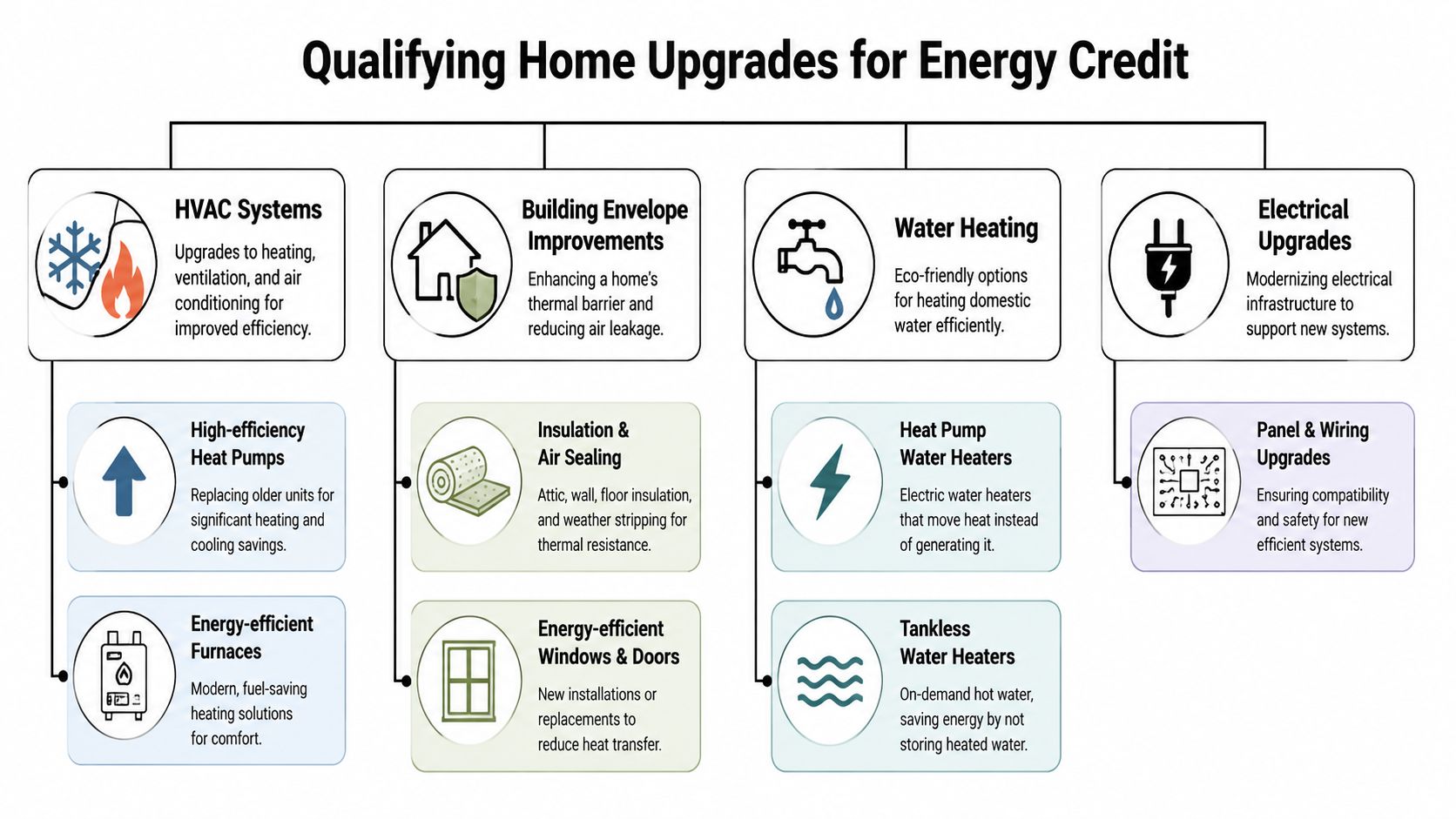
The envelope isn't the only qualifying area. Homeowners may also look at:
The most strategic projects often combine upgrades. For example, a homeowner might improve attic insulation and air sealing first, then install a qualifying heat pump sized for the improved home performance. That sequence can make practical sense because the equipment then serves a tighter, lower-load house.
A high-efficiency system installed in a leaky house still has to cool a leaky house.
There's also a non-tax issue many people overlook. If you're making significant changes to a home's systems or envelope, it's smart to review insurance considerations for home remodels before work starts. In Florida, project scope and documentation can matter well beyond the tax return.
If your budget won't cover everything at once, think in this order:
That approach usually lines up well with how houses perform in this climate.
A project can be technically smart and still miss the credit if the eligibility rules aren't met. For this reason, homeowners need to slow down and be precise.
Under the verified Section 25C guidance summarized by Current Federal Tax Developments on the updated Energy Efficient Home Improvement Credit FAQs, the home must be located in the United States and used as the taxpayer's principal residence for these insulation and air sealing claims.
That means the home you live in most of the time. A vacation property or rental property doesn't fit that rule for this credit category. South Florida homeowners sometimes own multiple properties, so this is one of the first issues to confirm before signing a contract.
For insulation materials and air sealing systems, the verified guidance states that the home must undergo a qualified energy audit meeting Notice 2023-59 requirements. That audit must identify significant cost-effective improvements and include the auditor's certification, EIN, and attestation of qualification from a certified program.
That may sound bureaucratic, but it serves a practical purpose. A proper audit helps you avoid spending on the wrong improvement first. If you want to understand what that process looks like in plain language, this explanation of what an energy audit is makes the concept easier to visualize.
Important: Don't treat the audit as paperwork after the fact. Treat it as the roadmap for the project.
You want a clean paper trail. Keep everything related to the project in one place.
The reason for all this documentation is simple. Tax credits work best when the file tells a clear story. The home qualified. The work qualified. The products qualified. The timing qualified.
In this region, homeowners often know they have a comfort problem but don't know where it starts. They notice a hot second floor, musty closets, or an A/C system that seems to run forever. An audit can connect those symptoms to building performance issues such as thermal leakage and moisture intrusion.
That makes the audit more than a compliance step. It becomes a decision tool. And in a climate where humidity control matters almost as much as temperature control, that's valuable.
The easiest way to handle the home energy efficiency credit is to think like a project manager. Don't wait until tax season to organize the file. Build the file while the work is happening.
A clear process helps.
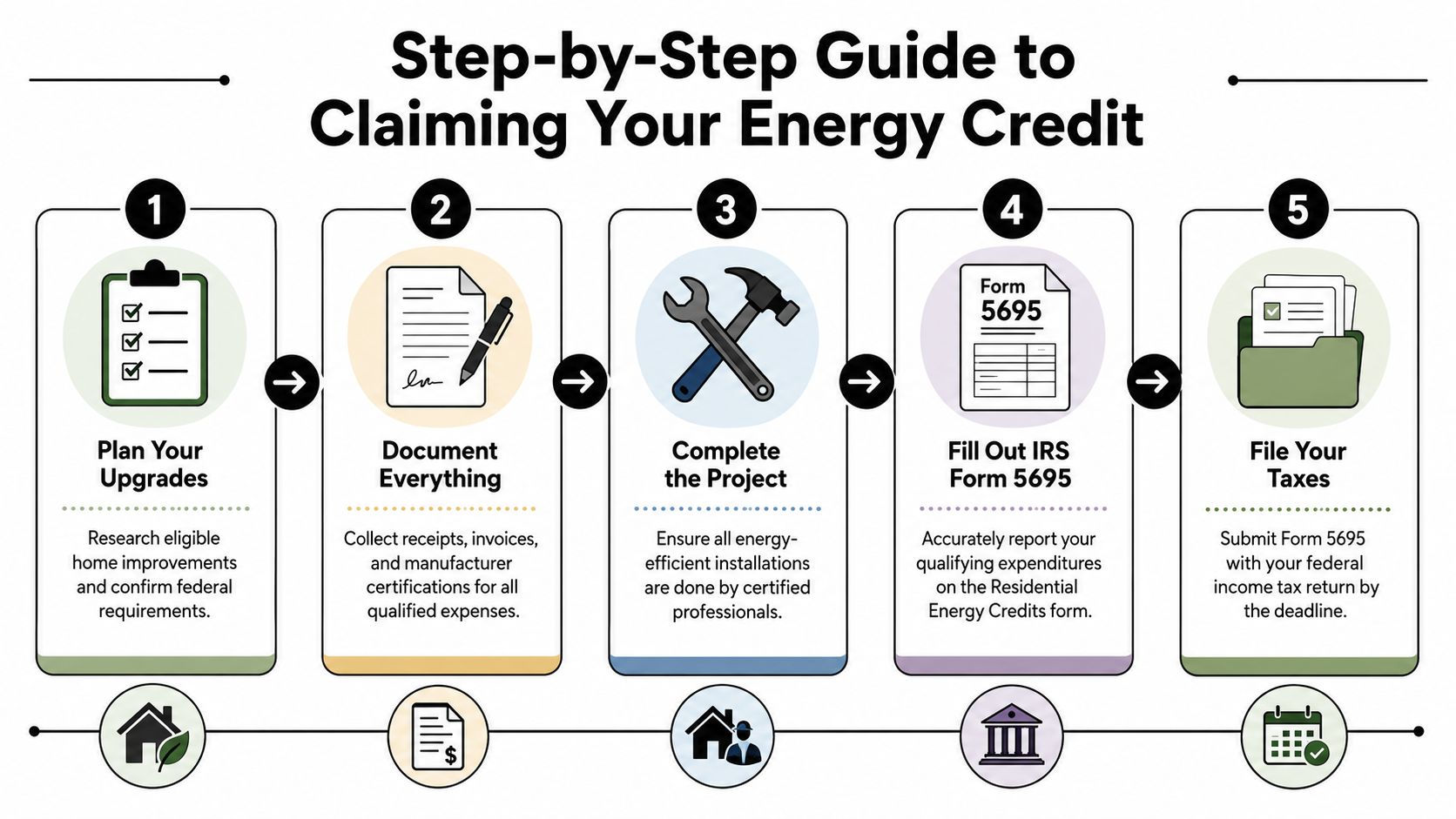
Confirm the project is eligible
Start by identifying whether the planned work falls into a qualifying category. Check the applicable cap and make sure the property use matches the rules.
Get the required audit and contractor scope
For qualifying insulation and air sealing work, make sure the audit is handled properly. Then get estimates that clearly describe what materials are being installed and where.
Complete the installation and save records immediately
Don't rely on memory later. Save invoices, product details, audit paperwork, and proof of payment as the project closes out.
Here's the filing flow many homeowners find helpful:
A short visual summary can help as you organize the process.
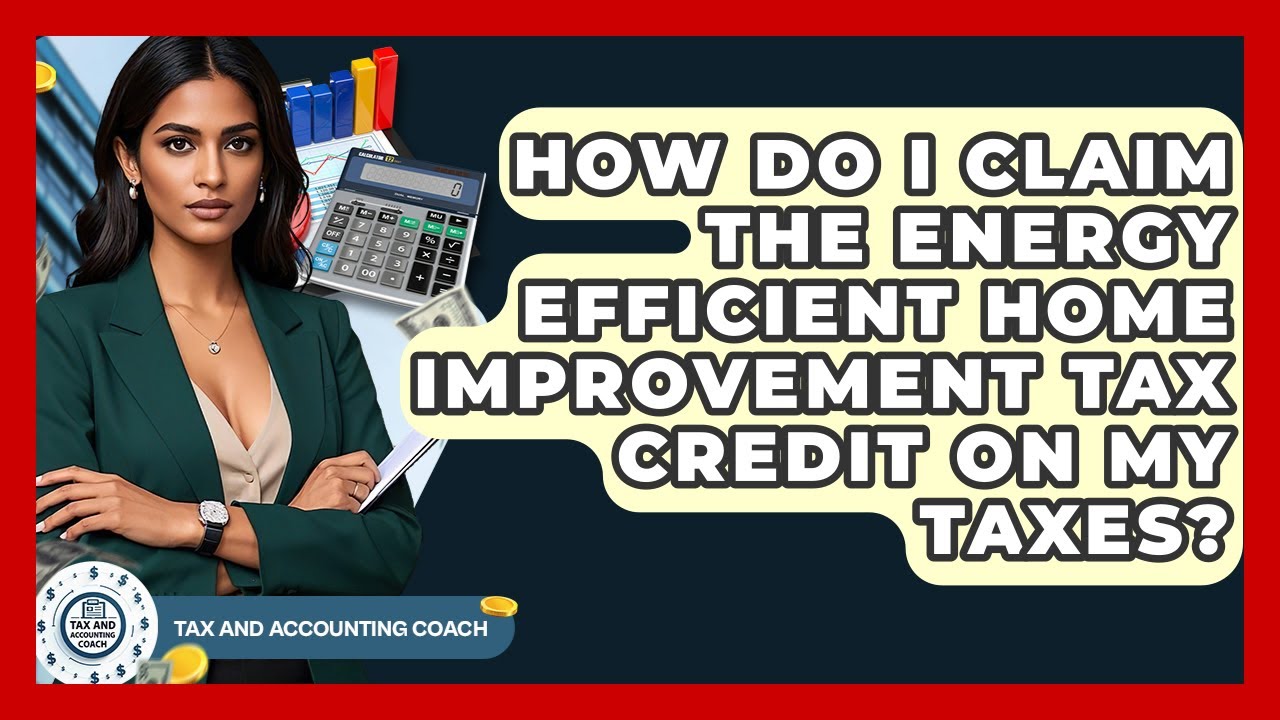
The credit is claimed on IRS Form 5695. If your project includes qualifying equipment from a qualified manufacturer, the verified guidance says the taxpayer must include the manufacturer's PIN on Form 5695 for the 25C credit when applicable.
That detail is easy to miss, especially if you assume the contractor handles all tax-side documentation automatically. Contractors handle installation. You still need to make sure your own tax file has the records your preparer needs.
Clean documentation turns a stressful tax question into a routine filing task.
If you use a CPA or enrolled agent, send the full project file early. If you self-file, read the form instructions carefully and compare them to the documents you collected during the project.
The smartest use of the home energy efficiency credit in South Florida usually starts with one question. Where is the house losing control of heat and moisture?
That question matters more here than it would in a milder climate. In coastal Florida, the home isn't just resisting outdoor temperature. It's resisting hot air, high humidity, long cooling seasons, and storm-driven weather patterns that expose weak points in the building shell.
If you spend the credit on improvements that tighten the shell, you're addressing the source of many everyday complaints:
For a South Florida homeowner, insulation and air sealing often deliver value beyond tax savings. They can help the air conditioner do its job under less strain, and they can improve indoor comfort in a way you feel every afternoon.

Federal incentives are only one part of the math. South Florida homeowners should also check utility and local program options, including possible offerings connected to FPL service territory. Rebates and incentive programs change, so it's worth checking current utility resources before finalizing a project budget.
The key is not to choose upgrades just because they qualify. Choose upgrades that solve your climate-specific problem first, then confirm whether they also qualify. That's the order that produces better outcomes.
When comparing possible projects, use this filter:
If the answer is yes to most of those questions, the project is usually worth serious attention in South Florida.
The federal credit can reduce cost, but the deeper payoff is better daily performance. Lower bills matter. So does walking into your home in August and feeling that it's dry, even, and under control.
Ask for a detailed invoice that clearly describes the work and materials used. You should also keep any manufacturer certification information, product details, and final proof of payment. If your project involved a required audit, keep that report with the rest of your tax file.
For building envelope improvements, homeowners need to be careful about how qualified costs are treated and documented. From a practical standpoint, professional installation usually makes more sense because insulation and air sealing only perform well when the assembly is installed correctly. In South Florida, poor installation can leave the house with the same leakage and moisture problems you were trying to fix.
Not for the insulation and air sealing rules covered here. The verified eligibility standard for that category is tied to a principal residence in the United States.
That often points to a building envelope issue rather than a simple equipment failure. Air leakage, attic heat, and moisture intrusion can all make a home feel clammy even when the thermostat reading looks normal. In that case, an energy audit is usually the right first move.
Usually not. The better reason is that the project improves how the house performs. The credit should support a good decision, not rescue a bad one.
If you want help evaluating insulation and air sealing options for a South Florida home, Airtight Spray Foam Insulation can help you understand where your home is losing efficiency and what kind of spray foam approach makes sense for your attic, walls, or roofline.