When we talk about creating truly energy efficient homes, we're really talking about one thing: control. Proper insulation acts like a thermal shield for your house, giving you control over your indoor environment by keeping the cool air in and the oppressive Florida heat and humidity out. For homeowners here in South Florida, it's the single most powerful tool you have against runaway utility bills.
Think about this: would you ever run your air conditioner at full blast with a window wide open? Of course not. But that’s essentially what’s happening in most uninsulated or under-insulated homes. Your house is supposed to be a sealed "envelope," but over time, countless invisible gaps and cracks develop, turning it into a sieve.
This forces your AC into a never-ending battle with our relentless heat. It runs constantly, fighting to cool air that’s escaping just as fast as it’s being produced. Every dollar you think you're spending on comfort is literally vanishing into thin air.
For anyone living between Jupiter and West Palm Beach, this isn't just a minor annoyance—it's a major financial drain. The culprit is almost always an unsealed home where your precious conditioned air leaks out, and hot, sticky outdoor air rushes in to take its place.
This cycle creates a host of frustrating problems:
Here’s a quick breakdown of where your home is most vulnerable.
This table gives a quick summary of where your conditioned air is most likely escaping, and it highlights just how much it's costing you.
| Area of Home | Potential Energy Loss | Primary Cause |
|---|---|---|
| Attic & Roof | 25-35% | Poor insulation, unsealed attic hatches, and roof vents. |
| Walls | 15-25% | Outdated or settled insulation, gaps around outlets and windows. |
| Floors & Crawlspaces | 10-20% | Uninsulated floors over garages or vented crawlspaces. |
| Ducts & Vents | 10-15% | Leaky ductwork running through hot attic spaces. |
Looking at the numbers, it’s clear that a poorly sealed home is a massive source of wasted money. The good news is that it’s entirely fixable.
Ultimately, the goal is to find practical ways to make your house more energy efficient, cutting down on waste and making your home a more comfortable place to live. That journey starts by sealing the leaks that are draining your bank account.
Modern insulation, especially spray foam, isn't just about stuffing fiberglass into your walls. It's about creating a complete airtight seal that stops energy loss in its tracks.
Unlike traditional materials that can sag, settle, and leave gaps, spray foam expands on contact. It fills every single crack and crevice, forming a solid, seamless barrier that air simply can't get through.
Studies have shown that older homes can lose up to 40% of their energy through air leaks alone. By creating a truly airtight building envelope, spray foam can slash heating and cooling costs by an incredible 30-50%.
When you factor in government incentives like the federal tax credit, which can offer up to $1,200 annually for these kinds of upgrades, the decision becomes a financial no-brainer. It's a proven solution that pays for itself.
Picking the right insulation isn’t just a minor detail—it’s one of the most critical decisions you'll make for your home's comfort and efficiency. Think of it like this: you wouldn't wear a loosely knit sweater to protect you from a driving rainstorm. For homeowners here in South Florida, choosing the wrong insulation is just as ineffective against our relentless heat and humidity.
The battle for an energy-efficient home is won or lost at the building envelope. Air leaks are the enemy, silently draining your wallet every time the A/C kicks on.

As you can see, a poorly sealed home is a recipe for high energy bills. The only way to truly stop this cycle is with a complete air seal, which is precisely what modern insulation solutions are designed to do.
For decades, materials like fiberglass batts and blown-in cellulose were the go-to standard. The problem is, they function like that loose sweater—they slow heat down, but they do absolutely nothing to stop air from moving right through them.
Here in Florida, that susceptibility to moisture is a deal-breaker. Once these materials get damp, their performance plummets, and you're left with a potential mold factory in your walls and attic.
The real issue is that traditional insulation doesn't stop air leakage. We've seen it in countless homes—up to 40% of cooling energy is lost through air leaks alone. A material that only slows heat but doesn’t stop air is fighting a losing battle from day one.
Now, let's talk about spray polyurethane foam (SPF). This isn't just insulation; it's a completely different approach. SPF acts as an all-in-one insulator, air barrier, and, in the case of closed-cell foam, a moisture barrier.
Spray foam starts as a two-part liquid that is sprayed directly into wall cavities, attics, or under roofs. It expands in seconds, filling every single crack, gap, and penetration. This creates a solid, seamless, and airtight seal that stops air leakage in its tracks. It's this air-sealing quality that makes it the cornerstone of insulation for energy efficient homes, especially in our demanding climate.
Let's break down the two main types.
Think of open-cell foam as a dense, flexible sponge. The cells in its structure are "open," which gives it a soft, cushion-like texture and some unique properties.
Because it can absorb water if there's a direct leak, it’s best reserved for interior applications where it's protected from the elements.
If open-cell is a sponge, closed-cell foam is a rigid, solid panel. The cells are completely sealed and packed tightly together, filled with a special gas that boosts its insulating power. This dense structure makes it incredibly strong, waterproof, and completely impermeable to air and vapor.
For South Florida, this is the ultimate defense. It doesn't just insulate; it actively rejects moisture and adds structural integrity to your home. It’s the go-to choice for attics and exterior walls where you're battling extreme heat, humidity, and even high winds.
To really understand the difference, it helps to see these materials compared side-by-side. For a Florida homeowner, the most important factors are air sealing, moisture resistance, and long-term performance.
| Feature | Spray Foam Insulation | Fiberglass Batts | Blown-In Cellulose |
|---|---|---|---|
| Air Sealing | Excellent. Creates a true air barrier, stopping leaks completely. | Poor. Gaps and seams allow significant air leakage. | Fair. Better than batts, but settles over time, creating gaps. |
| Moisture Resistance | Excellent. Closed-cell is a waterproof vapor barrier. Open-cell allows drying. | Poor. Absorbs moisture, loses R-value, and promotes mold. | Poor. Highly absorbent, clumps when wet, and prone to mold. |
| R-Value per Inch | High (R-3.5 to R-7.0). Achieves high R-value in limited space. | Low (R-3.1 to R-3.7). Requires more thickness for the same R-value. | Low (R-3.2 to R-3.8). Similar to fiberglass. |
| Longevity | Excellent. Rigid and stable; does not sag or settle. Lasts the life of the building. | Poor. Sags, compresses, and degrades over time, losing effectiveness. | Fair. Settles and compacts over time, reducing coverage and R-value. |
| Structural Support | Good to Excellent. Closed-cell foam adds significant racking strength to walls. | None. Provides no structural benefit. | None. Provides no structural benefit. |
When you look at the factors that matter most in our climate—stopping air leaks and blocking moisture—the winner becomes clear. While fiberglass and cellulose have their place in drier, milder climates, they simply can't compete with the comprehensive protection offered by spray foam in South Florida. It fortifies your home, creating a truly sealed and protected environment.
When you start looking into insulation for an energy-efficient home, you’re going to hear the term R-value a lot. It might sound technical, but the idea is actually pretty straightforward. R-value is simply a measure of thermal resistance—in other words, how well your insulation can fight back against heat trying to pass through it.
Think of R-value like the SPF number on your sunscreen. A low SPF gives you minimal protection, and you'll feel the sun's heat pretty fast. A high SPF, on the other hand, creates a strong barrier that keeps your skin from getting baked. It’s the exact same principle for your home; a higher R-value means better protection from Florida’s intense solar heat.
In colder climates, insulation is all about keeping warm air inside the house. But here in South Florida, from Wellington to Palm Beach Gardens, our goal is the complete opposite. We need to keep that oppressive summer heat out. This is where a high R-value becomes your home’s most important defender.
Without enough R-value, heat just radiates through your roof and walls all day long, forcing your air conditioner to run constantly just to keep up. That relentless battle is a huge reason for those shockingly high energy bills. By choosing insulation with the right R-value, you create a powerful thermal barrier that dramatically cuts down on this heat transfer. Your home stays cooler for longer, and your AC gets a much-needed break.
An insulation’s R-value is its direct measure of effectiveness. It's not just a number on a package; it's the core metric that determines how well your home will perform against the thousands of hours of sunshine we get every year.
The U.S. Department of Energy gives specific R-value recommendations based on climate zones, and South Florida falls squarely into Climate Zone 1. This zone has the highest requirements for keeping heat out. Following these guidelines is the first real step toward creating a truly energy-efficient home.
To figure out the specific R-value needed for different parts of your home, you can use a helpful calculator. For a detailed breakdown, you might be interested in our guide on using an insulation R-value calculator to find the perfect numbers for your property.
Here are the target R-values for homes in our area:
Meeting these targets is how you connect a technical number to a real result—a cooler home, a more comfortable family, and significantly lower energy bills month after month.
Knowing your R-value is one thing, but knowing where to put that insulation is where you really start to see the savings stack up. It’s not about just cramming insulation into every empty space. To get the biggest bang for your buck, you have to be strategic.
We focus on the hotspots—the key areas of your home’s structure where your cool, conditioned air leaks out and the relentless Florida heat pushes its way in. It's about creating a complete, unbroken thermal barrier where it counts the most. For anyone living in Stuart or across South Florida, there are three areas that should be at the very top of your list.

Let's break down where targeted insulation can solve the biggest comfort and efficiency headaches we see in homes every day.
Hands down, the attic is the single most important place to insulate in a Florida home. Think of your roof as a massive solar collector, baking in the sun all day long. Without the right insulation, all that heat radiates straight down into your attic, often pushing temperatures well over 140°F.
What you end up with is a giant oven sitting directly on top of your living space, forcing your AC to run constantly just to keep up.
This is where applying spray foam directly to the underside of the roof deck completely changes the game. You're not just slowing heat down; you're stopping it at the source.
Spray foam’s ability to expand and adhere perfectly to the roof deck, sealing every last gap and crack, makes it the only real choice for this application. You can see exactly how this process transforms a home in our detailed guide to Florida attic insulation.
While your attic is the main event, your walls are the next critical frontier. They make up the largest surface area of your home, and if they're uninsulated or just filled with old, sagging fiberglass, they act like giant heat sinks. This is especially true for any east- and west-facing walls that get hammered by direct sun.
An uninsulated wall is like a warm plate on a cold day—it constantly transfers its heat to the cooler air around it. In this case, your walls are transferring outdoor heat directly into your air-conditioned living space.
This is why we're seeing such a huge shift towards spray foam in wall assemblies. It’s no surprise that it's projected to capture nearly 41.9% of the market—it solves problems that other materials can't. Your walls are responsible for up to 25% of a home's heat gain, and spray foam creates a perfect, seamless barrier inside the wall cavities.
It expands to fill every void around pipes and electrical boxes, stopping air infiltration and thermal bridging cold. Just as important in our humid climate, it also acts as a highly effective moisture barrier, which is crucial for preventing mold and mildew.
Finally, don't forget the garage. We see it all the time: an uninsulated garage with a bonus room or bedroom right above it becomes a huge source of discomfort and wasted energy. The hot, humid air from the garage seeps into those adjacent living areas, making them impossible to keep cool.
Applying spray foam to the garage ceiling (which is the floor of the room above) or on the shared walls delivers a few key wins:
By hitting these three key areas—the attic, walls, and garage—you are systematically shutting down the biggest energy vampires in your home. This targeted approach is how you get a real return on your investment, transforming your house into a place that’s truly comfortable and efficient.
Let’s talk about the bottom line. I get this question all the time: is spray foam really worth the higher initial cost? It's a fair question, and the sticker shock is real compared to traditional insulation. But thinking of it as just an "expense" is the wrong way to look at it.
This is an investment—a powerful financial asset that starts paying you back the day it’s installed.

The payback isn’t some far-off concept; it shows up on your very next utility bill. By creating a near-perfect air seal, spray foam slashes your home’s energy use. We see homeowners report savings in the 30% to 50% range all the time. Your AC simply doesn't have to work as hard, and that translates directly into money staying in your pocket.
For a typical Florida home, this investment pays for itself much faster than you’d think. You're not just banking on energy savings. You're also boosting your property value and taking advantage of financial incentives. An airtight home is a huge selling point for today's buyers, who are smarter than ever about energy efficiency.
The numbers back this up. The market is exploding, with North America projected to capture 42.5% of global spray foam insulation revenue by 2026. Why? Because homeowners in hot climates like ours are fed up with throwing money away. A poorly insulated home can lose 30% of its energy through the HVAC system alone.
Spray foam completely flips that script. It can cut air leakage by up to 75% compared to old-school fiberglass, often trimming $200 to $500 off the annual energy bills for a standard 2,000 sq ft home. If you want a deeper dive into the numbers, our article explores in detail if spray foam insulation is worth it for your specific situation.
Investing in high-performance insulation for energy efficient homes isn't about spending money—it's about reallocating it. The funds you once sent to the utility company every month now stay in your pocket, effectively paying back the cost of the upgrade over time.
On top of the direct savings, you can chip away at the initial cost with some valuable government programs. These incentives are specifically designed to reward homeowners for making smart, energy-efficient upgrades.
Federal tax credits are available right now to help offset the price tag. These programs make the payback period even shorter, but they don't last forever, so it’s smart to act while they’re available.
Here’s a quick look at how the savings stack up:
When you add the immediate bill reductions, the longer lifespan of your equipment, the boost in property value, and the tax incentives, the financial picture becomes crystal clear. Spray foam insulation doesn’t just make your home more comfortable; it makes it a smarter, more valuable investment.
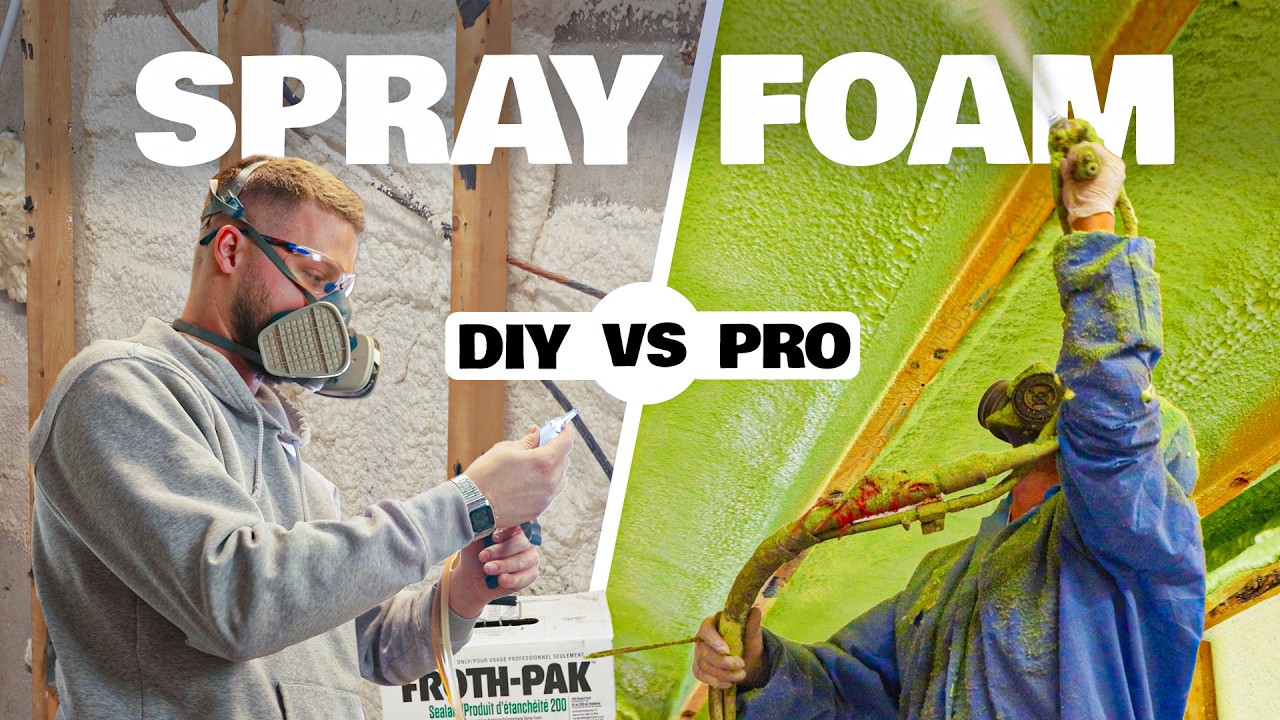
Choosing a high-performance material like spray foam is a fantastic first step, but the job is only half done. The real magic—and the long-term performance—comes down to the quality of the installation. We know homeowners worry about their house turning into a chaotic construction zone. That’s why we’ve honed our process to be clean, clear, and completely transparent from the moment we first talk.
You'll see the difference a dedicated specialist makes right from day one. Our entire approach is built on precision and professionalism, not just getting the job done, but getting it done right.
It all starts with a simple, no-pressure conversation. One of our experienced technicians will come to your home for a thorough assessment—not a sales pitch. We’re there to diagnose your home’s energy loss, pinpointing the weak spots in your attics, walls, crawl spaces, and anywhere else that’s costing you money.
After our evaluation, we’ll give you a clear, detailed, and free estimate. This isn’t just a number on a page. It’s a complete plan that outlines our specific recommendations, the exact materials we’ll use, and a full cost breakdown. No hidden fees, no last-minute surprises.
Once you give us the green light, our crew gets to work. Protecting your home is our first priority. We treat your living space with respect because, to us, it’s not just a job site.
Our prep work is meticulous and includes:
The success of an insulation project hinges on the details. Proper preparation not only protects your property but also allows our technicians to work efficiently and apply the foam flawlessly for a perfect, lasting seal.
This careful setup phase is non-negotiable for us. It ensures that when we start spraying, the only focus is on creating that perfect, airtight envelope.
With the prep work done, our certified installers get started with state-of-the-art equipment. They apply the spray foam with an expert hand, making sure it expands to create the continuous, airtight seal that insulation for energy efficient homes demands. Our team follows the strictest safety protocols, and every technician wears full personal protective equipment (PPE) at all times.
After the foam is applied and has had time to cure, we’re still not finished. We begin a thorough cleanup, removing all of our protective materials and equipment. We leave your home just as clean as we found it—if not cleaner.
The final step is a walkthrough with you. We’ll show you the completed work, answer any questions, and make sure every detail meets your expectations. It’s this focus on the entire process, not just the product, that guarantees your complete satisfaction and a home that’s finally comfortable and efficient.
Making a big upgrade like spray foam insulation is a major decision, and it’s completely normal to have a few questions. We get it. You want to have all the facts before you commit, and you deserve clear, straightforward answers.
Over the years, we’ve heard just about every question there is. Here are the ones that come up most often, answered from our firsthand experience.
Absolutely. This is the first question on almost every homeowner’s mind, and the answer is a firm yes. Once spray foam is cured, it’s completely inert and stable—it’s just a solid, plastic-like material.
During the installation itself and for a short window afterward (usually 24 hours), the area needs to be clear. This gives the foam time to fully cure and for the space to be ventilated. Our professional installers are meticulous about following strict safety protocols during this process.
After that 24-hour period, it's not just safe; it actually helps improve your home's air quality. Unlike old-school insulation that can shed fibers, modern spray foam doesn't release harmful VOCs. By creating a solid air barrier, it actively blocks outdoor allergens, pollutants, and mold spores from getting inside—a huge plus for your family and pets.
This is one of spray foam’s biggest selling points: its incredible lifespan. Simply put, it's designed to last for the entire life of your home. It’s not something you’ll ever have to think about replacing.
Think about traditional insulation—fiberglass can sag and lose its effectiveness, while cellulose can settle over time. Spray foam is different. It’s a rigid, permanent solution that chemically bonds to the surfaces it's applied to, becoming part of the structure itself.
Because it doesn't compress, shift, or fall apart, its R-value stays consistent for decades. It's a true one-and-done investment that won't rot, attract pests, or break down.
Yes, and it’s one of the most powerful retrofits you can do to an older home. Our teams have years of experience upgrading existing properties with very little disruption.
Retrofitting with spray foam can completely change the feel and efficiency of an older home. It’s a game-changer.
This is where closed-cell spray foam really shines, especially here in Florida’s humid climate. It’s an exceptional moisture barrier, making it the ideal insulation for energy efficient homes in our area.
Its dense, non-porous structure is essentially waterproof. When applied, it forms a single, solid layer that blocks both damp air and any direct water leaks.
By stopping condensation from ever forming inside your walls or attic, it cuts off the food source for mold and mildew. This not only protects your family’s health but also preserves the wood in your home, preventing the rot and decay that we see all too often with moisture problems.
Ready to transform your home’s comfort and slash your energy bills? The team at Airtight Spray Foam Insulation has the expertise to deliver a flawless installation tailored to your South Florida property. Request your free, no-obligation quote today!