If you live in South Florida, you already know the pattern. The house feels cool, but not comfortable. The air has that sticky edge to it. A closet smells musty no matter how often you clean it. The AC runs and runs, and your power bill still makes you wince.
That usually isn't just a comfort problem. It's an indoor air quality problem tied to moisture, pollutants, and the way the house handles air movement.
A lot of generic advice on how to improve indoor air quality falls apart in this climate. Opening windows sounds healthy until outdoor humidity floods the house. Buying a random air purifier sounds smart until the underlying issue is a damp supply plenum, a dirty return path, or attic air leaking into the living space. In South Florida, clean indoor air starts with controlling what enters the home, what gets trapped inside it, and how moisture moves through the structure.
The first surprise for most homeowners is that indoor air can be worse than outdoor air. Americans spend about 90% of their time indoors, and the EPA says indoor pollutant concentrations are often 2 to 5 times higher than typical outdoor levels, which is why the recommended order is source control first, ventilation second, filtration third according to the EPA's indoor air quality guidance.
In South Florida, that framework matters even more because moisture changes everything. A small air leak around a recessed light, attic hatch, duct boot, or wall penetration doesn't just let in air. It can pull in humid air that feeds odors, damp materials, and microbial growth. Homeowners often chase the symptom with candles, sprays, or stronger AC settings. The source stays in place.
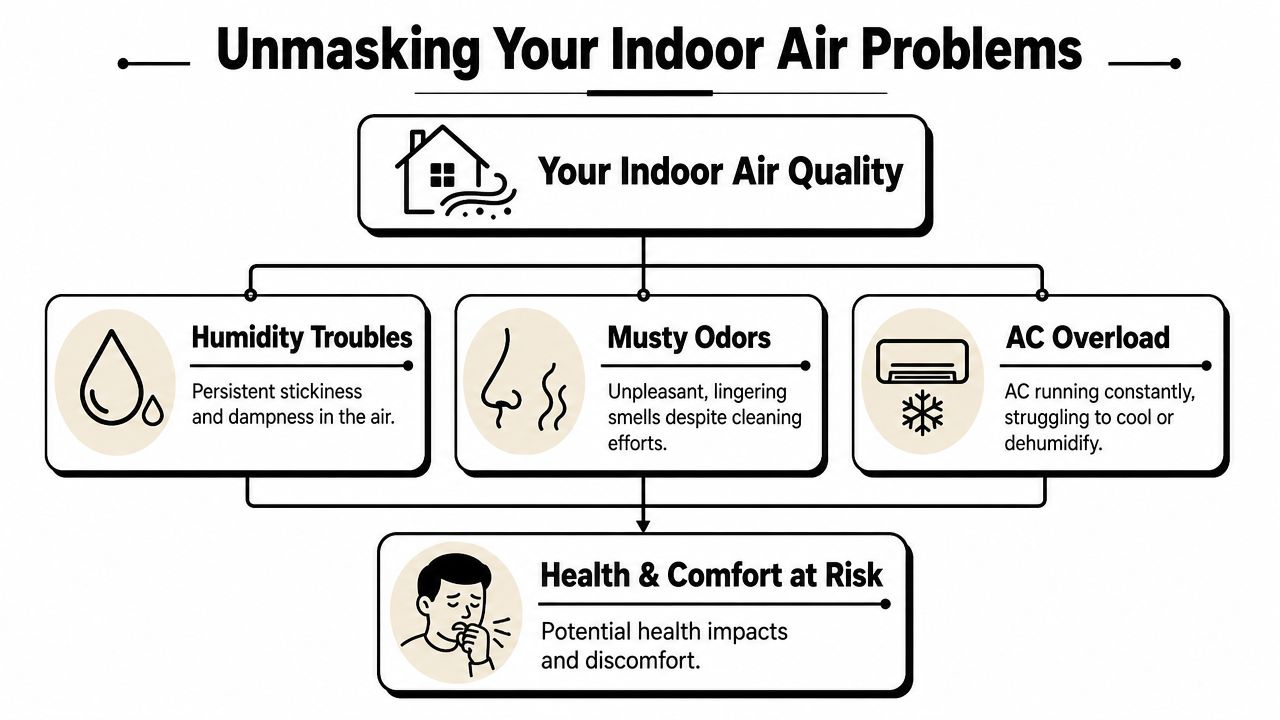
The warning signs are usually ordinary at first:
Those problems rarely come from one cause alone. They usually show up when several things pile together, such as cooking particles, cleaning chemicals, damp building materials, poor filter choices, and uncontrolled humid air infiltration.
Practical rule: If a home smells musty, feels clammy, and runs expensive AC cycles, don't assume you need more cooling. You may need better moisture control and cleaner air pathways.
For South Florida homes, indoor air quality usually improves when these pieces work together:
| Focus area | What it does |
|---|---|
| Source control | Reduces pollutants before they spread through the house |
| Ventilation | Replaces stale indoor air when outdoor conditions are suitable |
| Filtration | Removes airborne particles from air moving through the system |
| Humidity control | Keeps the home from becoming a mold-friendly environment |
Most homeowners don't need a complicated theory. They need a house that smells clean, dries properly, and doesn't fight itself. That takes practical decisions, not one magic product.
The fastest way to improve indoor air is to stop adding as many contaminants in the first place. In homes, the biggest offenders are usually everyday habits and materials. Cleaning products, fragrance-heavy sprays, cooking without exhaust, damp laundry areas, pet accumulation, garage fumes, and some finish materials all add to the load your HVAC system has to manage.
In South Florida, source control also has a moisture angle. A material that off-gasses or holds moisture in a damp house causes more trouble than that same material in a dry one. That's why product selection matters more here than many homeowners realize.
Walk the house with one question in mind. What in this room creates particles, odors, or moisture?
Start with the kitchen, bathrooms, laundry room, bedrooms, and attached garage. Those spaces usually drive the most complaints.
Homeowners often spend serious money on filtration while ignoring what their floors, paints, and finishes are releasing. If you're remodeling or replacing surfaces, low-emission products are worth the extra attention. This essential low VOC guide for homeowners is a useful reference if you're evaluating flooring and finish choices.
Spray foam conversations sometimes create confusion here too. Installation quality, curing, and product selection matter. If you're sorting through concerns about foam chemistry versus actual building performance, this overview on spray foam insulation off-gassing helps separate alarmist claims from practical considerations.
Don't waste clean air on dirty inputs. If a product leaves a strong lingering odor, assume it's affecting your indoor environment and choose a better alternative when possible.
Not every fix requires a renovation. A few low-cost habits can cut a lot of indoor pollutant load.
People often ask how to improve indoor air quality without buying equipment first. Start by removing the obvious sources. The air gets easier to clean after that.
“Open the windows” is some of the worst blanket advice South Florida homeowners get.
Ventilation is important, but it isn't automatically helpful in a humid climate. The EPA's guidance is nuanced, and the American Lung Association notes that opening windows can raise indoor humidity in humid climates, where indoor humidity should ideally stay between 30% and 50%. The same guidance recommends a MERV-13 furnace filter or portable HEPA air cleaners. That's laid out in the American Lung Association's indoor air quality recommendations.
If the outdoor air is damp, pollen-heavy, smoky, or dirty, bringing it in without a plan can make the house worse.
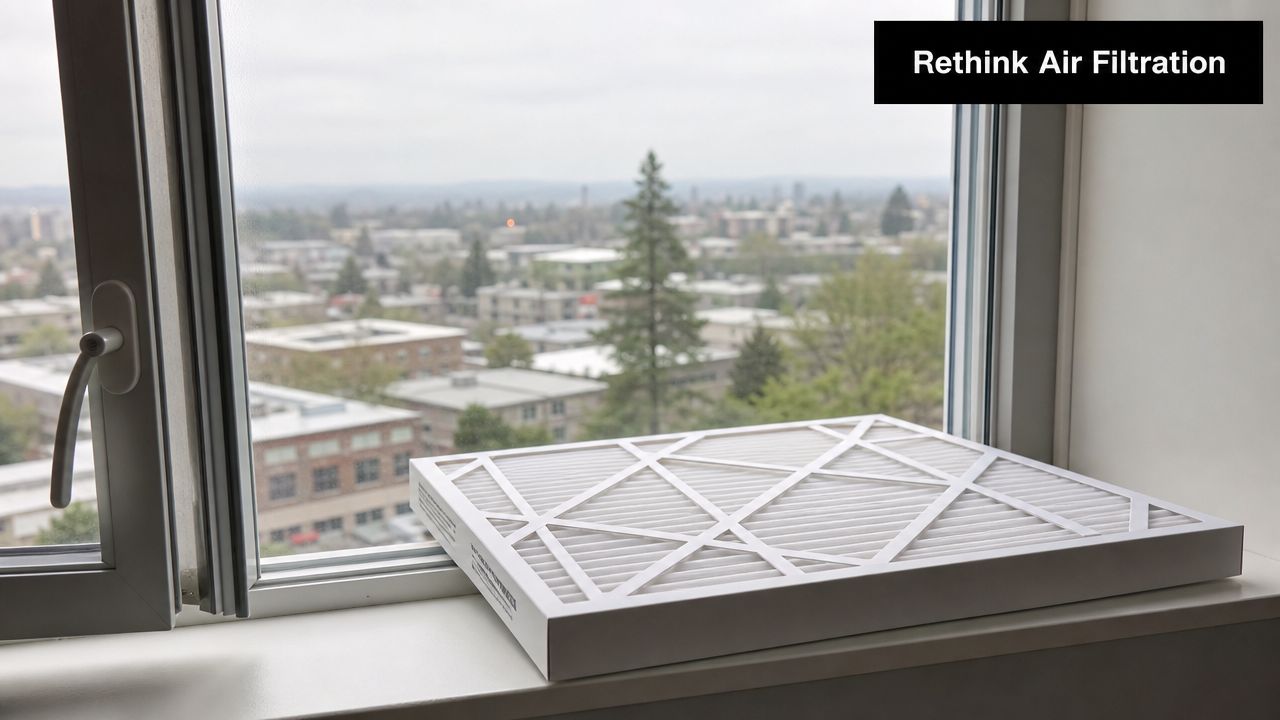
A lot of homeowners blend these together, but they solve different problems.
| System | Main job | Common mistake |
|---|---|---|
| Ventilation | Brings in outdoor air and exhausts indoor air | Assuming more outdoor air is always better |
| Filtration | Removes particles from moving air | Using a weak filter and expecting purifier-level results |
Ventilation helps when the outdoor air is suitable and the house needs air exchange. Filtration helps when particles are already in the air stream, such as dust, cooking particles, and fine debris moving through the HVAC system.
For most central systems, MERV-13 is the target homeowners should look at first, assuming the equipment can handle it properly. A filter only works when the system can move air through it without creating airflow problems. That's why I don't recommend grabbing the densest filter on the shelf without checking what the system was designed to handle.
Portable HEPA units make sense in rooms where people spend the most time or where pollutant loads are predictable.
Good placements include:
A portable HEPA unit shouldn't be treated like a whole-house fix. It's a targeted tool for the rooms that need extra help.
There are times when natural ventilation helps. Mild, drier conditions can flush stale air. But that decision should be based on outdoor conditions, not habit.
A simple decision rule works well:
Recent guidance also leans away from gimmicky air-cleaning devices with ionization features. For particles, a straightforward approach works better. Use a properly fitted HVAC filter, maintain the system, and add HEPA where room-level help is needed.
Humidity is the force multiplier in South Florida indoor air problems. It turns a small leak into a mold issue. It turns a closed closet into a musty one. It turns an oversized or poorly running AC system into an expensive machine that cools air without really drying the house.
The health side is serious too. The World Economic Forum reported in 2025 that indoor air pollution is linked to 3.2 million premature deaths annually worldwide, and the same piece notes the EPA warning that inadequate dehumidification can drive indoor mold growth. UL Solutions recommends keeping relative humidity below 60% and drying water-damaged porous materials within 48 hours to keep mold from taking hold, as summarized in this World Economic Forum article on indoor air quality.
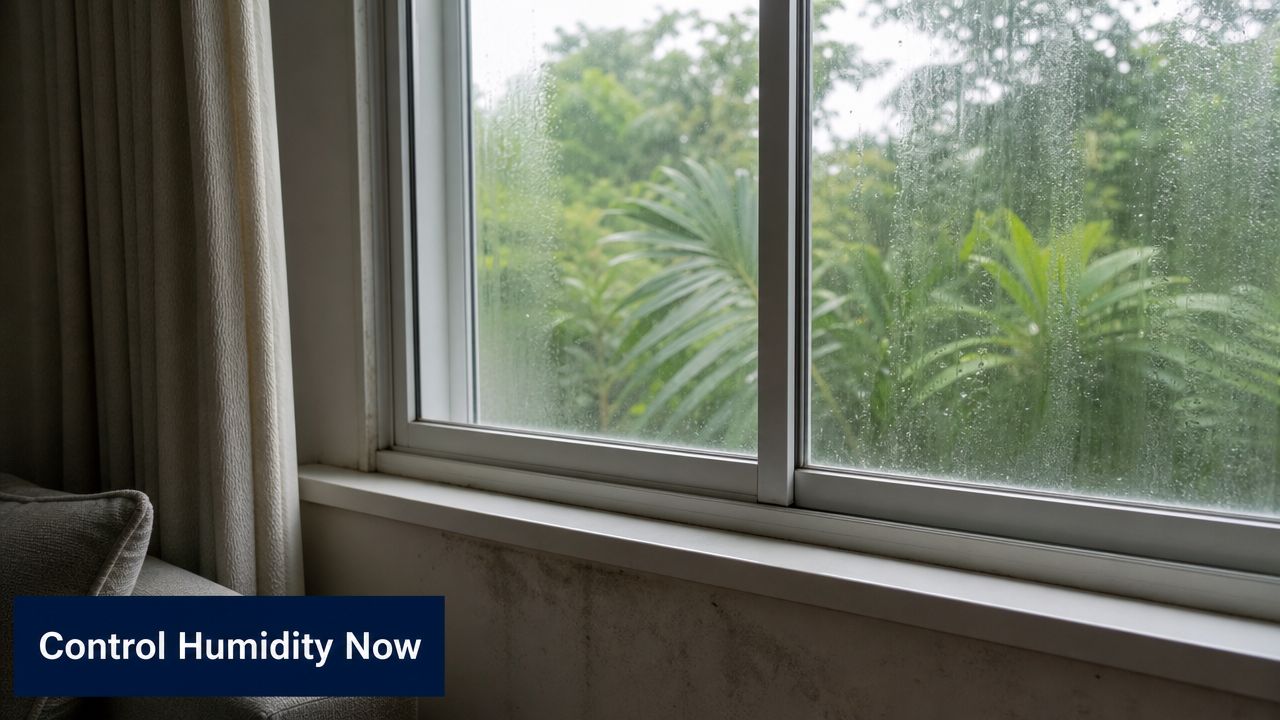
Moisture doesn't stay politely in one place. It moves into drywall, wood trim, closet contents, insulation, and soft goods. Once that happens, air fresheners and surface cleaning won't solve the root issue.
Watch for these signs:
If you're dealing with that pattern, humidity control isn't optional. It's the center of the job.
Your air conditioner is part cooling system, part dehumidifier. But it only removes moisture well when it runs long enough, drains correctly, and moves the right amount of air.
Problems I see often include short cycling, poor return design, clogged drain lines, and duct leakage in hot attic spaces. Those issues leave the home cool but wet.
If your house struggles with sticky air, this guide on how to reduce humidity in house conditions in Florida homes is a practical next read.
After that, use local spot control where it matters most:
This short walkthrough helps homeowners understand the moisture side of the problem in plain terms:

If the air feels heavy, the house smells earthy, and some rooms never seem to dry, don't keep lowering the thermostat. Find the moisture source and fix the air movement around it.
A neglected HVAC system can spread dust, hold moisture, and drag pollutants through the house. A maintained system does the opposite. It supports cleaner airflow, better drying, and more stable comfort.
Most homeowners change the thermostat setting far more often than they inspect the system that's moving air through the house. That's backwards. If you care about how to improve indoor air quality, HVAC maintenance needs to become part of your routine.
Use this as a baseline:
Annual service isn't just about keeping the house cool. It's about keeping the system from becoming part of the air quality problem.
A good technician should look at coil cleanliness, drainage, blower condition, airflow, and signs of duct leakage or moisture intrusion. They should also tell you if your filter choice is too restrictive for the equipment.
A clean coil, open drain, and correct filter do more for comfort than lowering the thermostat another few degrees.
If your house still feels stale after maintenance, the problem may not be the equipment alone. It may be the house leaking humid air into places the system can't control.
A lot of South Florida homes fight the same losing battle. The AC dries and filters indoor air while the building keeps pulling in humid outdoor air through gaps in the attic plane, wall penetrations, rim areas, duct chases, recessed cans, and top plates. The system works. The house undermines it.
That's why air sealing matters so much. It changes the building envelope so your filtration and dehumidification efforts can finally work on stable conditions instead of constant intrusion.
Think of the building envelope as the control layer. If it leaks badly, outside humidity, attic dust, insulation fibers, and outdoor pollutants keep finding a way in.
That creates three common outcomes:
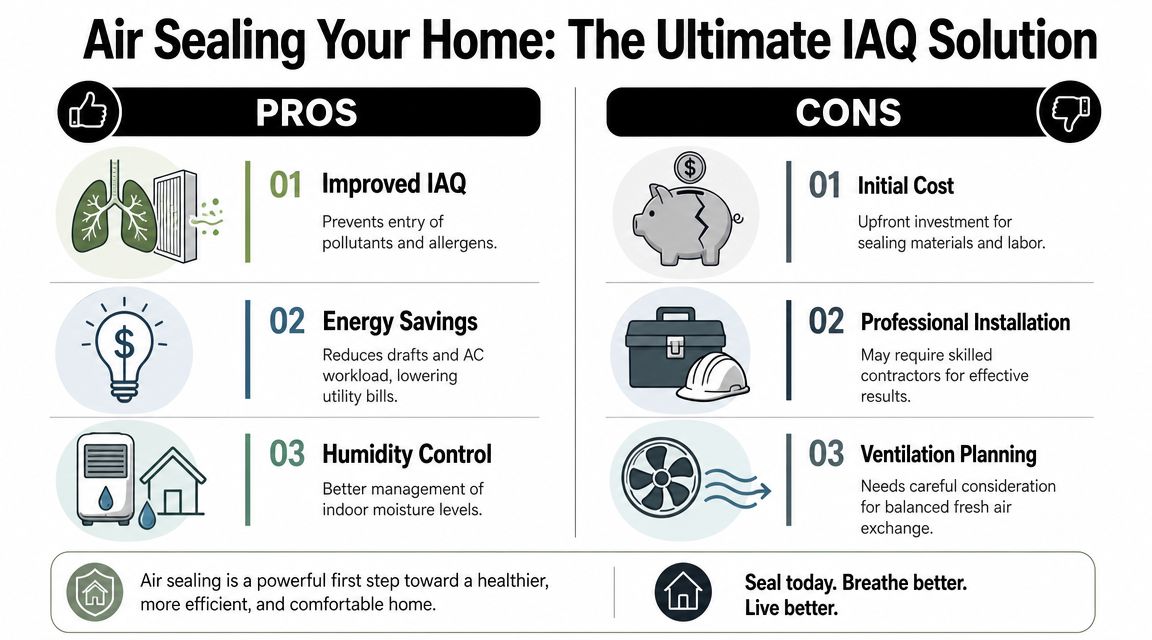
In many homes, the attic is the biggest pressure and moisture boundary problem. Sealing penetrations at that level can reduce the pathway for hot, humid, dirty air to move into living areas. This is especially true around can lights, attic accesses, plumbing penetrations, top plate gaps, and duct connections. Homeowners who want to understand those hidden leakage points can review this guide on how to seal attic air leaks.
Professional air sealing with spray foam is one option when the goal is to reduce uncontrolled air leakage and support better moisture management. Airtight Spray Foam Insulation applies foam in assemblies where sealing the envelope can help limit humid air intrusion and reduce the burden on the HVAC system. That doesn't replace ventilation planning. It makes ventilation, filtration, and dehumidification easier to control.
A tighter home is usually a healthier starting point in this climate, but only if it's done intelligently.
For homeowners serious about long-term indoor air quality, this is often the step that ties everything together. Remove pollutant sources. Filter the air correctly. Keep humidity under control. Maintain the HVAC system. Then seal the structure so all that work doesn't leak away.
If your home in Jupiter, Palm Beach Gardens, West Palm Beach, Wellington, or Stuart feels damp, smells musty, or never seems to get comfortable, Airtight Spray Foam Insulation can help you evaluate where uncontrolled air leakage may be undermining your indoor air quality strategy. Their work focuses on sealing gaps that let humid outdoor air and pollutants enter the building envelope, which can support better moisture control, cleaner indoor air, and a lighter load on your HVAC system.