Your AC has been running all afternoon, the house still feels sticky by dinner, and the power bill lands harder than it should. That’s the situation a lot of South Florida homeowners are in when they start asking about the best insulation for 2×4 walls.
Most online advice isn’t written for Jupiter, West Palm Beach, Wellington, or Stuart. It’s written for places where the main job is keeping heat in during winter. Here, the job is different. You’re trying to slow exterior heat, control indoor comfort, and stop moisture-laden air from getting into the wall assembly in the first place.
South Florida punishes weak wall systems. Heat loads are constant, humidity is relentless, and wind-driven rain exposes every shortcut in the envelope. A basic batt install that might be “good enough” somewhere else often isn’t good enough here.
The biggest mistake I see in generic insulation advice is treating wall cavities like they only need an R-value number. In this climate, air movement and moisture behavior matter just as much as labeled thermal resistance. Traditional fiberglass and rock wool can struggle with moisture and air leakage in humid conditions, while closed-cell spray foam expands to seal gaps completely, provides up to R-23 in 3.5 inches, and acts as a vapor barrier. A 2025 DOE study cited in this South Florida-focused discussion found that spray foam walls cut air infiltration by 70% more than batts in humid climates and reduced cooling costs by up to 25%, while cooling can account for 50% of energy use in South Florida (humid-climate spray foam discussion).
A 2×4 wall gives you only 3.5 inches of cavity depth. That means every material choice is limited by space. You can’t just keep adding thickness inside the cavity and expect better results.
That limited depth is why bad recommendations show up so often. People suggest whatever is common, not what performs best in a shallow wall in a humid climate. In South Florida, you need to think about three things at once:
Practical rule: If an insulation product leaves the wall cavity full of tiny unsealed air paths, it’s not solving the whole problem in South Florida.
A good wall assembly here also needs the right supporting layers. If you’re comparing materials, it helps to understand how vapor barrier and insulation strategies work together instead of treating them as separate decisions.
The best insulation for 2×4 walls in this region usually isn’t the cheapest product on the shelf. It’s the product that still performs when the outdoor air is hot, wet, and trying to work its way into every weak point in the house.
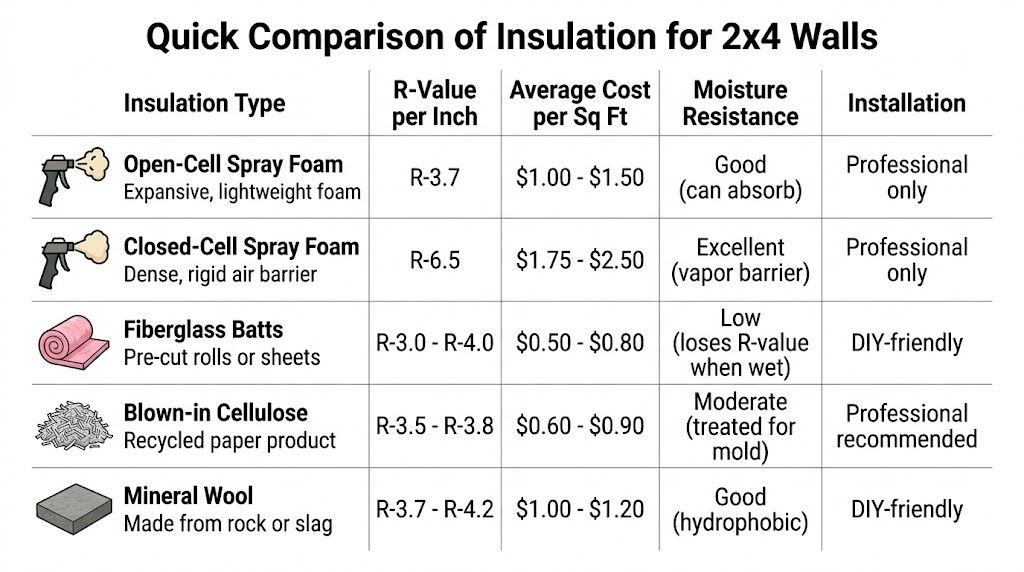
If you want the short version first, use the table below. It reflects how these materials behave in real 2×4 walls, with special attention to the problems South Florida owners deal with.
| Insulation Type | R-Value in 2×4 Wall | Moisture Resistance | Air Sealing | Relative Cost |
|---|---|---|---|---|
| Closed-cell spray foam | R-21 to R-22.75 | Excellent | Excellent | High |
| Open-cell spray foam | Lower than closed-cell in same cavity | Moderate | Very good | Medium |
| Fiberglass batts | R-13 to R-15 | Low to moderate in humid conditions | Poor | Low |
| Blown-in cellulose | Typically used where cavity filling is needed, but humidity control is critical | Moderate at best | Fair | Low to medium |
| Mineral wool | Similar batt-style limitations in cavity fit and air movement control | Good | Poor to fair | Medium |
| Hybrid wall with Polyiso exterior layer + cavity insulation | Effective R-18+ in the assembly | Very good when detailed well | Good, depending on assembly | Medium to high |
The headline is simple. Closed-cell spray foam gives the strongest performance inside a standard 2×4 cavity when you care about thermal value, air sealing, and moisture resistance at the same time.
Fiberglass batts remain common because they’re widely available and familiar. Mineral wool is denser and handles moisture better than fiberglass, but it still depends heavily on careful cutting and installation. Cellulose can fill irregular spaces, but I’m cautious with it in humid wall assemblies unless the rest of the moisture strategy is excellent.
Hybrid walls deserve attention too. They don’t win because the cavity insulation is magical. They win because adding rigid foam continuously across the exterior helps reduce thermal bridging through the wood framing.
A lot of comparison charts miss the point by focusing only on one line item. Here’s how I’d prioritize these categories for South Florida:
Good insulation doesn’t just fill space. It controls heat, limits air movement, and fits the climate the building actually sits in.
If you’re narrowing choices fast, the practical shortlist is usually this: closed-cell spray foam for maximum performance, mineral wool or fiberglass batts for budget-driven installs, and Polyiso-based hybrid walls for advanced assemblies.
Spray foam gets grouped together too often, but open-cell and closed-cell don’t behave the same way inside a wall. In a 2×4 cavity, that distinction matters.
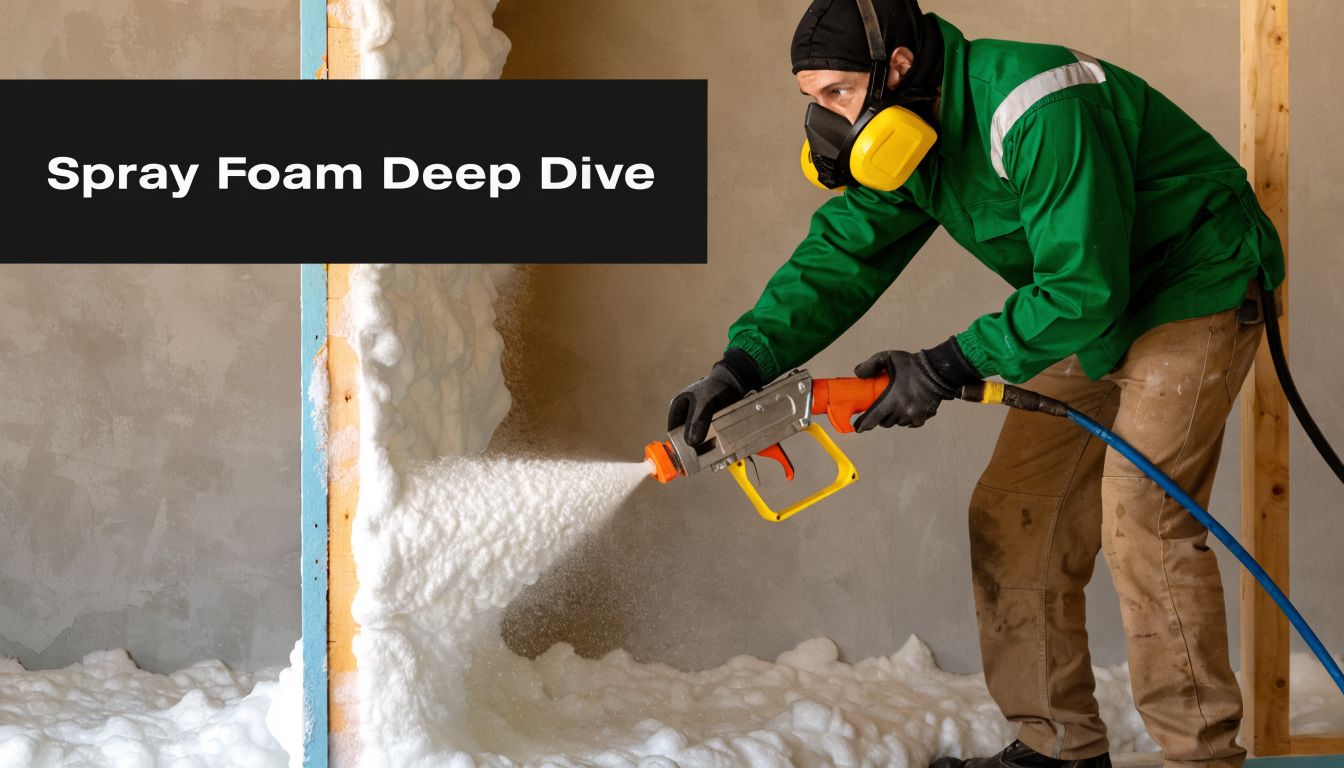
Open-cell foam expands aggressively and does a good job finding cracks and irregular voids. It’s useful where sound reduction and cavity fill matter, and it can create a very good air seal when installed correctly.
Closed-cell foam is the denser product. For 2×4 walls, that density is a major advantage because cavity depth is limited. Closed-cell spray foam delivers the highest thermal performance in a 2×4 wall at about R-22.75, based on R-6.5 per inch over 3.5 inches, and it exceeds R-13 fiberglass or even R-15 high-density batts while also creating an air and moisture barrier that can cut energy loss from air leakage by up to 40% in a typical home (closed-cell performance data).
If you want a more practical breakdown of where each foam type makes sense, this guide on open-cell vs closed-cell foam covers the differences clearly.
A 2×4 wall in South Florida doesn’t have much room for compromise. Closed-cell foam handles that limitation better because it combines multiple jobs in one installed layer:
That third point is the one most homeowners underestimate. In our climate, wall problems often start with air carrying moisture where it doesn’t belong. Once humid air reaches cooler surfaces inside the assembly, you can end up with condensation risk, musty wall cavities, and finishes that never feel quite dry.
A wall that leaks air is often a wall that moves moisture. In South Florida, those are usually the same problem.
Spray foam is not a forgiving product. The material can perform extremely well, but only if the installer controls thickness, coverage, adhesion, and trimming. Misses around wiring bundles, framing corners, or rough openings defeat the whole point of paying for spray foam.
That’s also why “spray foam” by itself isn’t a complete answer. You need the right foam, in the right place, at the right thickness, with the right prep. A clean cavity, proper substrate conditions, and careful application all matter.
A quick visual helps if you haven’t seen the process in the field:
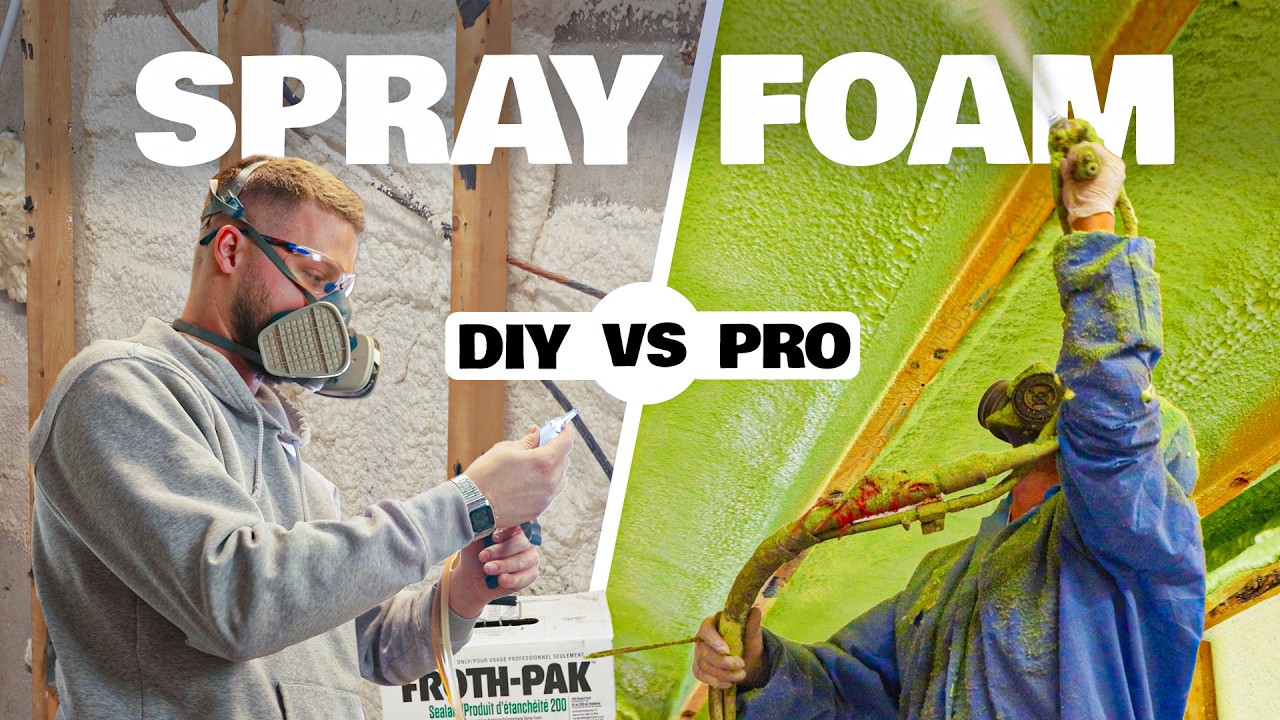
Open-cell isn’t useless. It can be a solid choice in assemblies where drying potential, sound control, or lower installed cost matter more than maximum R-value in a shallow cavity. But in standard 2×4 exterior walls in South Florida, it usually doesn’t match what closed-cell can do when moisture resistance and cavity-limited performance are top priorities.
Here’s the practical way I’d separate them:
| Situation | Better fit |
|---|---|
| You need the most R-value in a 2×4 cavity | Closed-cell |
| You need stronger moisture resistance in exterior walls | Closed-cell |
| You want lower-cost foam and strong air sealing in less demanding conditions | Open-cell |
| You’re treating wall insulation as part of a broader durability strategy | Closed-cell |
Spray foam changes the shape of the problem. Instead of trying to place a preformed product inside an imperfect cavity and hoping it stays tight around every penetration, foam conforms to the cavity itself.
That matters at:
A batt can insulate these areas only if it’s cut perfectly and backed by an excellent air control layer. Foam handles them more directly.
That’s why, for many South Florida wall retrofits and new builds, closed-cell spray foam is the benchmark product when the goal is simple: get the most out of a 2×4 wall without leaving hidden weak points behind.
Traditional insulation still has a place. It’s not useless, and there are projects where it’s the right answer. But if you’re trying to identify the best insulation for 2×4 walls in South Florida, you need to be honest about what these materials don’t do well.
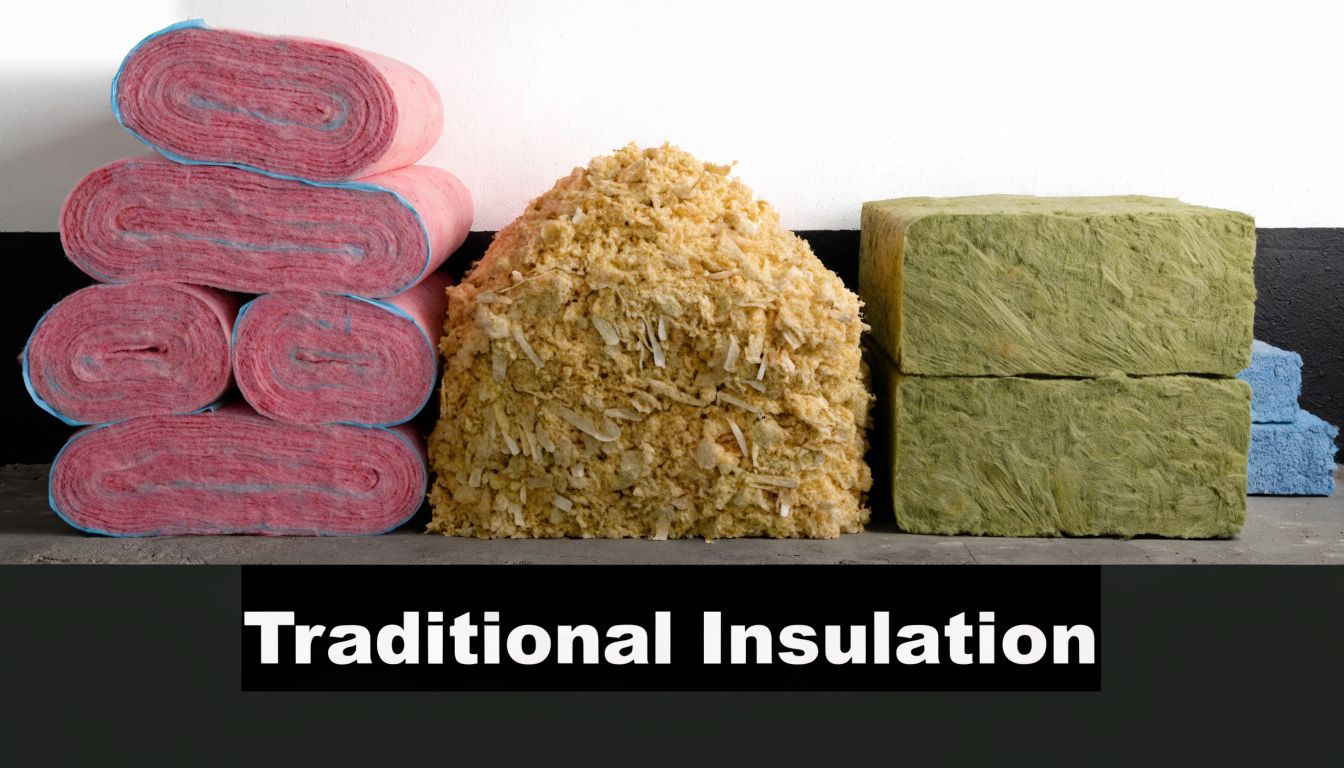
Fiberglass batts are cheap, familiar, and easy to source. Builders know them, inspectors see them all the time, and they fit standard framing layouts. That explains their popularity.
The problem is performance in real wall cavities, not in ideal product packaging. In a 3.5-inch 2×4 wall, closed-cell spray foam can provide up to R-22.75, which is a 46% to 75% improvement over R-13 or R-15 fiberglass batts. Fiberglass can also lose 20% to 50% of its R-value when it absorbs moisture, while closed-cell foam is impermeable to moisture (fiberglass versus closed-cell comparison).
That’s the issue in South Florida. Fiberglass may be acceptable on paper, but it depends on near-perfect installation and strong moisture control elsewhere in the assembly.
The failures are usually boring, not dramatic:
Most batt problems don’t come from the material itself. They come from the fact that houses aren’t made of perfect empty rectangles.
Mineral wool is a stronger traditional option than many people realize. It handles moisture better than fiberglass, it’s denser, and it usually friction-fits the cavity more firmly. It also offers good sound control.
Still, in a 2×4 exterior wall, mineral wool remains a batt product. That means it shares some of the same practical limitations. It does not automatically air seal the wall. It still depends on careful fitting and strong supporting details at sheathing seams, penetrations, and transitions.
If I’m comparing mineral wool to fiberglass for a budget-conscious project, I’d lean mineral wool. If I’m comparing mineral wool to closed-cell foam for a humid coastal wall, I wouldn’t expect it to compete the same way.
Cellulose gets attention because it can fill irregular spaces and appeal to owners who like recycled-content products. In some assemblies, it can work well.
In South Florida walls, I’d treat it carefully. Humidity changes the equation. Anything that relies on staying dry and consistently dense over time needs a wall assembly that is detailed very well from the outside and the inside. If that assembly is less than excellent, cellulose can become a material that asks too much from the rest of the system.
There are cases where a conventional product is still the right call. A simple project with tight budget limits may not justify spray foam everywhere. Some owners also prioritize ease of replacement, straightforward installation, or familiar materials.
Traditional options make the most sense when:
Budget is the deciding factor
Fiberglass usually wins this discussion, even if it doesn’t win long-term performance.
The wall assembly already includes strong exterior control layers
A well-detailed exterior water and air management strategy gives batt systems a better chance.
The project is interior-focused rather than high-exposure exterior work
Some wall conditions are less punishing than others.
The installer is meticulous
With batt insulation, workmanship changes outcomes fast.
Traditional materials aren’t bad by default. They’re just less forgiving. In a climate where moisture and air leakage are constant threats, that matters more than many guides admit.
Rigid foam changes the conversation because it doesn’t live only inside the stud cavity. Instead, it can be installed as continuous exterior insulation, which helps address a problem cavity insulation alone can’t fix well: thermal bridging through the studs.
Wood framing interrupts the insulation layer. Even if you pack the cavity with a decent product, heat still moves through each stud. That’s why whole-wall performance is often weaker than the cavity label suggests.
A hybrid wall uses two layers that do different jobs. The cavity insulation handles the stud bays, while the exterior rigid foam adds uninterrupted coverage across the framing.
That approach helps in three ways:
For builders looking at advanced assemblies, a resource on rigid insulation approaches can help frame the basic logic, even though roof assemblies and wall assemblies have different detailing needs.
If you’re choosing rigid foam for a hot climate, Polyisocyanurate (Polyiso) stands out. Polyiso offers R-6.0 to R-6.5 per inch, while XPS is R-5.0 per inch. Its foil-facing reflects 95% of radiant heat, which makes it a strong fit for sunny climates like South Florida. A hybrid wall with 1-inch exterior Polyiso and R-13 cavity fill can achieve an effective R-18+ and reduce HVAC loads by 15% to 25% by mitigating thermal bridging (Polyiso comparison and hybrid wall data).
That doesn’t mean XPS has no role. It means Polyiso is usually the stronger option when the goal is maximum performance per inch in a hot, high-sun environment.
If you’re already opening up exterior walls on a serious renovation or building from scratch, continuous insulation is one of the smartest upgrades you can make.
Hybrid walls are rarely the easiest retrofit path. They shine when you’re already replacing cladding, building new, or doing deep envelope work. In those situations, exterior foam can upgrade a standard 2×4 wall in a way interior cavity insulation alone cannot.
A practical version of this assembly is simple:
That setup won’t be the cheapest wall. But for new construction or major renovations, it’s one of the better ways to build a stronger shell without jumping to thicker framing.
The right answer depends on the project, not just the product. A homeowner retrofitting one exterior wall has a different decision than a builder designing a full custom house.
A lot of retrofit owners want better comfort first and lower bills second. They’re tired of warm wall surfaces, rooms that feel muggy, and an AC system that never seems to get ahead.
If the walls are open, closed-cell spray foam is usually the premium answer for a South Florida retrofit because it addresses limited cavity depth, air leakage, and moisture resistance at once. If the budget is tighter, a conventional batt approach can work, but only if the rest of the wall assembly is detailed carefully and expectations stay realistic.
For this group, the decision usually comes down to one question: are you paying for the cheapest fill, or are you paying to solve the wall problem?
New construction gives you options, and that changes the recommendation. If the owner wants the best insulation for 2×4 walls and plans to stay in the house, I’d usually evaluate two stronger paths:
| Project priority | Better approach |
|---|---|
| Best cavity performance in standard framing | Closed-cell spray foam |
| Better whole-wall performance through framing | Hybrid wall with exterior Polyiso |
Builders should also think in terms of sequencing. If the cladding and weather barrier details are already being handled at a high level, adding continuous exterior insulation becomes more attractive. If the project needs a simpler path inside standard framing, closed-cell foam keeps the assembly compact.
Property managers often care about durability and repeatability more than chasing the absolute top spec. That’s reasonable. You need materials and methods that reduce callbacks and hold up under tenant use.
The best choice depends on turnover plans and scope:
If you’re weighing long-term insulation cost-effectiveness, it helps to think beyond initial material price and look at how the assembly performs over time in hard-use environments.
These projects expose weak insulation choices fast. Metal structures and utility spaces tend to swing in temperature, collect condensation, and feel uncomfortable unless the envelope is controlled well.
In those cases, I’d prioritize moisture resistance and air sealing over the cheapest installed option. A batt-only approach often leaves too many weak points unless the assembly is unusually well detailed. Spray foam usually fits these buildings better because it adheres to irregular surfaces and helps reduce humid air intrusion.
If you want the shortest practical decision guide, use this:
The best insulation for 2×4 walls isn’t always the same product. But in this climate, the wrong choice usually comes from ignoring humidity, air leakage, and limited cavity depth.
South Florida wall insulation has to do more than meet a line on a plan set. It has to stand up to heat, humidity, and the daily reality of long cooling seasons. That’s why material choice matters, but installation quality matters just as much.
Airtight Spray Foam Insulation serves homeowners, builders, and property managers across Jupiter, Palm Beach Gardens, West Palm Beach, Wellington, and Stuart with a focus that fits this climate. The company is led by Christian Cates, who brings over 25 years of hands-on experience in the local market. That kind of field experience matters when the difference between a good wall and a problem wall often comes down to details around corners, penetrations, and transitions.
Closed-cell spray foam only delivers its full value when the installer applies it consistently and with care. Good crews don’t just fill cavities. They inspect substrates, control the application, and make sure the wall system is being treated as an envelope, not just a collection of bays between studs.
That approach is especially important in South Florida because the failures aren’t always obvious on day one. Poor air sealing and weak moisture control often show up later as comfort complaints, persistent humidity, or walls that don’t perform the way the owner expected.
The best material can still underperform if the installation is sloppy. Precision is part of the product.
Airtight specializes in open-cell and closed-cell spray foam for walls, attics, roofs, garages, metal buildings, and new construction. That matters because the right recommendation isn’t always the same from one project to the next. Some owners need maximum cavity performance. Some need better sound control. Some need a durable solution for a metal building that’s hard to keep comfortable.
The company’s process also matches what owners want during real projects: clear recommendations, a defined scope, professional installation, and a final walkthrough instead of a rushed handoff.
For South Florida 2×4 walls, the strongest answer is usually the one that controls heat, seals air leaks, and resists moisture in the same assembly. That’s exactly where a well-executed spray foam installation stands apart.
If you want expert guidance on the best insulation for 2×4 walls in South Florida, contact Airtight Spray Foam Insulation. They’ll help you choose the right wall system for your home, project, or building, then install it with the precision needed to make it perform.