By late afternoon in South Florida, a lot of homes start telling on themselves. The second floor feels warmer than the first. The hallway stays sticky. The AC keeps running, but comfort never quite catches up. Then the power bill shows up and confirms what your body already knew.
I see this pattern all the time in Jupiter, Palm Beach Gardens, West Palm Beach, Wellington, and Stuart. Homeowners often assume the air conditioner is the whole problem. Sometimes it is part of it. But many houses are losing the comfort battle above the ceiling line, where the attic turns into a heat reservoir and a humidity problem at the same time.
That is why energy efficient attic insulation matters so much here. In South Florida, the right attic system does more than slow heat. It helps control air movement, moisture migration, indoor comfort, and how hard your HVAC equipment has to work every day.
A common call starts with a complaint that sounds simple. “My AC never stops.” Then you walk the house and hear the rest of the story. Bedrooms feel uneven. Recessed lights are warm to the touch. The attic hatch feels hot when you open it. The house is cooled, but not protected.
That is the South Florida version of a bad attic.
If you live here, your air conditioner is carrying a heavy load for most of the year. Good equipment matters, and regular HVAC maintenance helps any system perform more reliably, but maintenance alone cannot fix an attic that keeps feeding heat and moisture into the house. If the building envelope is weak, the AC ends up doing extra work every hour.
The good news is that attic insulation is one of the most practical upgrades a homeowner can make. It is not flashy. It does not change your kitchen or curb appeal. But it can change how the whole house feels.
Done correctly, attic insulation helps in four ways:
In South Florida, generic advice does not go far enough. A cold-climate attic strategy is not always the right answer here. Humidity changes the conversation. Material choice changes the result. Installation quality changes everything.
A cooler home in South Florida usually starts at the roofline or attic floor, not at the thermostat.
Your attic takes the first hit from the sun. By the time that heat reaches your ceiling, your home is already on defense.
In South Florida's warm climate, attics require a minimum R-30 to R-49 insulation level, and closed-cell spray foam delivers R-6.0 to R-7.0 per inch, higher than fiberglass at R-2.9 to R-3.8 per inch. That matters because hot attic air can often reach 130°F+, and properly sealing that attic can cut cooling costs by 20-30% by blocking that heat from entering the living space, according to the U.S. Department of Energy guidance summarized here: https://www.energy.gov/energysaver/insulation

Most homeowners think insulation only blocks heat the way a cooler keeps ice from melting. That is partly true, but attics are trickier than that.
Florida attics deal with:
If your attic has recessed lights, bath fan penetrations, wiring holes, duct chases, or a poorly sealed hatch, that heat does not politely stay upstairs. It leaks into the house anywhere it finds an opening.
A parked car in a sunny lot is a good comparison. Even when the windows are shut, the inside temperature climbs fast. Your attic works the same way, except it sits on top of your house all day.
Heat gets attention because you feel it right away. Humidity is quieter, but it causes its own kind of damage.
When humid air moves through a leaky attic assembly, you can end up with damp insulation, musty odors, uncomfortable rooms, and conditions that support mold. In South Florida, that matters as much as R-value. A material that insulates reasonably well but does not manage moisture well can disappoint in real life.
If you want a solid plain-English explanation of how humidity affects your indoor comfort, that resource is worth reading alongside insulation planning because comfort here is never just about temperature.
R-value is the measure of resistance to heat flow. Higher numbers mean stronger resistance.
That does not mean the highest number on a label automatically wins. You still need the right application and a continuous layer. Gaps, compression, and missed penetrations can undermine the whole system.
For South Florida homes, the target range matters because it reflects how much resistance you need against long cooling seasons and intense roof heat. If the attic is under-insulated, your AC has to remove heat that never should have entered the house in the first place.
In this climate, an attic is not just storage above your ceiling. It is part of the thermal and moisture control system of the whole house.
Not every insulation product fails in the same way. That is the key point for South Florida homeowners.
Some materials lose effectiveness because air moves through them. Others struggle when moisture lingers. Some perform well on paper but depend heavily on perfect installation conditions to deliver what you expect.

Closed-cell spray foam ranks highest for efficiency at R-6.0-7.0 per inch, compared with fiberglass at R-3.2 and cellulose at R-3.8. Upgrading an attic can produce $200-$600 annual savings, uninsulated roofs can account for 25% of a home's energy waste, and in South Florida, spray foam can reduce air leakage by up to 30%, according to this insulation guide: https://solartechonline.com/blog/most-energy-efficient-insulation-guide/
| Insulation Type | R-Value/Inch | Air Seal | Moisture Barrier | Best Use Case |
|---|---|---|---|---|
| Fiberglass batts | R-3.2 | Poor on its own | No | Budget projects with simple framing and strong prep work |
| Blown-in cellulose | R-3.8 | Better coverage than batts, but not a true seal | No | Topping off attic floors when moisture conditions are controlled |
| Closed-cell spray foam | R-6.0 to R-7.0 | Excellent | Yes | Roof decks, humid climates, unvented attics, limited depth |
| Open-cell spray foam | Qualitatively lower than closed-cell in this application | Strong air seal | Not a vapor barrier | Select assemblies where vapor control is handled appropriately |
For a deeper look at assemblies that perform well in this region, this guide to https://airtightsprayfoaminsulation.com/best-attic-insulation-for-hot-climates/ is useful because it focuses on hot-climate decision-making rather than generic national advice.
Fiberglass batts are common because they are familiar and relatively affordable. Installers can place them quickly in open framing, and many homes already have some version of them.
The problem is not that fiberglass never works. The problem is that attics are rarely neat. South Florida attics usually have penetrations, odd corners, mechanical runs, and access limitations. Batts do not air seal those details. If they are compressed, cut poorly, or installed around obstructions with gaps, performance drops.
In humid conditions, fiberglass also does not solve the moisture side of the equation. It insulates, but it does not create a barrier against humid air movement.
Cellulose fills voids more thoroughly than batts and does a better job conforming to attic floor irregularities. That makes it a practical retrofit option for some homes.
I usually describe cellulose as a better blanket, not a sealed lid. It can improve coverage, but it still depends on air sealing underneath. If the ceiling plane is leaky, adding more loose-fill on top does not fix the leakage paths. It just hides them.
In a humid climate, that distinction matters. Good coverage is useful. Controlled air movement is better.
Closed-cell spray foam behaves differently because it is not laid into place. It adheres to the surface and creates a continuous layer when installed correctly.
That gives it three practical advantages in South Florida:
Those features are why closed-cell foam is often the strongest option for humid coastal markets. It is especially useful where the goal is to control both heat gain and moisture migration at the roof deck.
Open-cell spray foam can provide an excellent air seal, and it can help with sound reduction. But in a hot-humid climate, vapor behavior matters. Open-cell is more vapor-permeable than closed-cell, so its suitability depends on the assembly design and the moisture management strategy around it.
That does not make it a bad product. It means it is not the automatic answer for every South Florida attic.
Material choice should follow the building assembly. In Florida, that means asking not only “How well does it insulate?” but also “How does it handle humid air?”
The most disappointing attic jobs usually have one thing in common. Someone chose insulation as a product, not as part of a system.
What tends to work well:
What tends to underperform:
A better attic in South Florida is often not about adding more material to the attic floor. It is about changing where the thermal boundary lives.
In a traditional vented attic, outside air moves through the attic space. That can help in some climates and assemblies, but in our region it also means bringing hot, humid outdoor air into the space above your ceiling and around your ductwork.

An unvented attic is created by insulating along the underside of the roof deck instead of only on the attic floor. In practice, closed-cell spray foam is a common way to do this because it insulates and seals in one application.
Once that roofline is sealed, the attic becomes part of the home’s conditioned envelope rather than a superheated buffer zone above it.
That changes the whole relationship between the attic and the house.
Creating an unvented attic with closed-cell spray foam can reduce air leakage from a typical 0.35 cfm/ft² to under 0.10 cfm/ft², leading to 15-25% annual energy savings. For a 2,000 sq ft home in Florida, that can mean $300-600 in yearly utility reductions, and it can improve sound attenuation by 50 STC points over loose-fill insulation, according to this attic insulation analysis: https://usainsulation.net/blog/how-much-insulation-do-i-need-in-my-attic
That performance shows up in ways homeowners notice fast:
A vented attic in Florida can act like a giant hot plenum above your ceilings. An unvented attic cuts off that heat path much earlier.
A lot of South Florida homes have ductwork and sometimes air handlers in the attic. In a vented attic, those components sit in an extreme environment. Every bit of heat surrounding the ducts works against the cooled air moving inside them.
With an unvented attic, you are not just insulating the home. You are changing the conditions around the mechanical system.
That is one of the reasons this approach often outperforms a simple “add more fluffy insulation” job.
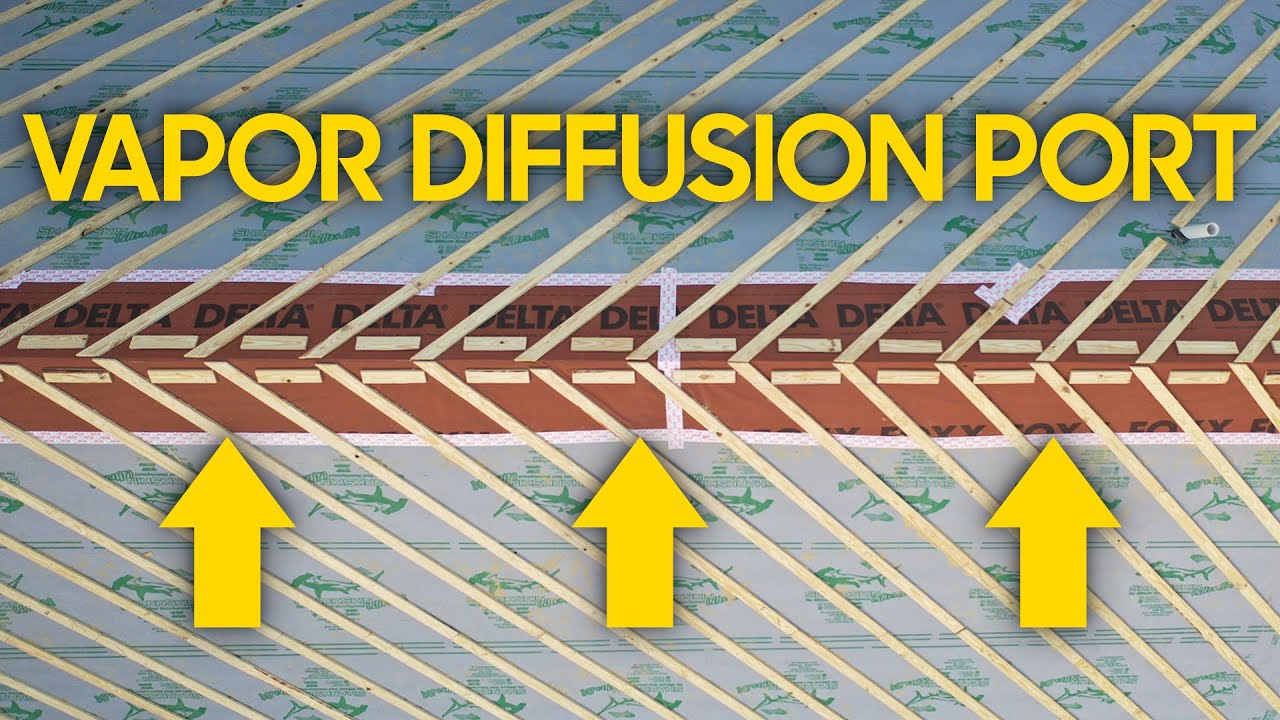
Here is a visual overview of how spray foam fits into that approach:
Unvented attics are not magic, and they are not always the cheapest route.
They require:
If someone applies spray foam unevenly, leaves major voids, or ignores transition areas at gables, soffits, and penetrations, the system loses its edge.
The best unvented attic jobs feel boring after installation. The house just runs calmer, the rooms stay steadier, and the AC stops fighting the roof all day.
A quality insulation job is not just what gets installed. It is what gets prepared, sealed, checked, and cleaned up.
That matters because even a premium product can disappoint if the attic is dirty, the old material is compromised, or key leakage points are left untouched.

Good crews spend time on prep. Homeowners sometimes mistake this for delay, but prep is where performance starts.
Look for these steps:
For homeowners comparing proposals, the useful question is not only “How much insulation are you adding?” It is also “What prep work is included before you add it?”
If you want to see how attic-focused projects are typically approached, this page on https://airtightsprayfoaminsulation.com/insulation-installation-in-attic/ gives a good snapshot of the work sequence.
Spray foam and loose-fill jobs fail in different ways.
For spray foam, watch for consistency. The installer should control application thickness, pay attention to transitions, and avoid obvious voids or overbuilt lumps that suggest rushed work. Foam should follow the substrate evenly rather than looking random from bay to bay.
For batt or blown systems, the crew should maintain full coverage without blocking critical components or leaving thin areas around framing interruptions.
Walk the job before you sign off.
Use this short checklist:
Poor jobs usually leave clues.
A few to notice:
A homeowner does not need to become an insulation expert overnight. You only need enough awareness to spot whether the crew treated the attic like a system or like a quick fill job.
Attic insulation is one of those upgrades where homeowners want a firm number right away. That is understandable, but the final cost depends heavily on the attic itself.
A small, open attic with easy access is a different project from a low-slope home with mechanical obstacles, duct runs, cleanup needs, and moisture issues. Material choice also shifts the budget. Closed-cell spray foam is a different investment from topping off an attic floor with a loose-fill product.
The more useful question is not “What does attic insulation cost in general?” It is “What am I paying to fix, and what return should I expect from that fix?”
Proper attic insulation and air sealing can produce 15-30% energy savings on heating and cooling. ENERGY STAR guidance cited in this summary notes about 15% average savings on cooling costs, which can translate to $200-$600 in annual savings in a warm climate, and spray foam can extend HVAC equipment lifespan by 3-5 years: https://stellrr.com/how-attic-insulation-affects-hvac-performance-and-longevity/
That gives homeowners a practical range to think with.
If you want a way to estimate thermal targets before requesting bids, this https://airtightsprayfoaminsulation.com/insulation-r-value-calculator/ can help frame the conversation.
Use a rough back-of-the-envelope method first.
Homeowners often consider these points:
These factors usually move the price more than homeowners expect:
The cheapest proposal is often cheap because something important was left out. Sometimes that is prep. Sometimes it is cleanup. Sometimes it is the details that make the insulation work.
A realistic ROI includes more than utility bills. In South Florida, better humidity control and less HVAC wear are part of the return too.
The best insulation product on the market can still fail in the wrong hands. That is especially true in South Florida, where moisture behavior is not forgiving.
In humid zones like South Florida, closed-cell spray foam’s vapor-impermeable properties can reduce mold risk by up to 90% compared to permeable fiberglass. With local humidity often exceeding 80%, expert application matters because proper installation can cut air leakage by 75% and save $300-500 annually while helping avoid indoor air quality problems, according to this humid-climate spray foam discussion: https://servicechampions.com/blog/types-of-attic-insulation/
Ask direct questions and listen for direct answers.
A reliable contractor should be able to explain:
You also want proof of the basics. Licensing, insurance, local project history, and actual experience with the insulation type being proposed are not optional.
South Florida houses have their own patterns. Coastal humidity, long cooling seasons, duct-heavy attics, and occasional roof leak history all change the job.
A contractor who mostly talks in national generalities may miss the details that matter in Jupiter or West Palm Beach. A contractor with local experience usually speaks more specifically about roof decks, attic hatches, condensation clues, soffit conditions, and how insulation choice affects humidity control inside the home.
Good contractors tend to share a few habits:
A rushed salesperson can sell insulation. A seasoned contractor diagnoses the attic first.
No. If the attic leaks air, has moisture issues, or uses the wrong assembly for the climate, piling on more insulation may not solve the core problem. In many Florida homes, sealing and moisture control matter just as much as insulation depth.
It depends on the design you want to keep or create. If you are maintaining a traditional vented attic, the attic floor is often where insulation belongs. If you want the attic inside the conditioned envelope, insulating the roof deck is usually the better strategy.
Not in every situation, but it often solves more problems in South Florida. Closed-cell spray foam can insulate, air seal, and resist moisture in one assembly. Fiberglass can still be useful in the right project, but it depends more heavily on careful air sealing and good attic conditions.
It can help a lot, especially if the attic is the main source of heat gain. But room imbalance can also involve duct design, return air issues, window exposure, or HVAC sizing. The attic is often the first place to inspect because it affects the whole house.
That concern is valid. Humidity control is one of the biggest reasons material choice and installation quality matter here. A bad attic setup can trap moisture or allow humid air to move where it should not. A well-designed system limits that risk instead of hiding it.
Common clues include high power bills, rooms that heat up fast in the afternoon, a hot attic hatch, visible thin spots, sagging batts, dusty insulation, or an AC system that seems to run constantly. A professional inspection usually reveals the weak points quickly.
Usually, yes. Buyers may not ask what insulation brand is in the attic, but they notice comfort, indoor humidity, and utility bills. A house that feels stable and cool in South Florida has a practical advantage.
If your home feels harder to cool than it should, Airtight Spray Foam Insulation can help you pinpoint whether the attic is driving the problem. Their South Florida team serves homeowners, builders, and property managers across Jupiter, Palm Beach Gardens, West Palm Beach, Wellington, and Stuart with closed-cell and open-cell spray foam solutions designed for our heat and humidity. If you want a clearer path to lower energy use, better moisture control, and a more comfortable home, request a free quote and get an attic plan built for your house, not a generic template.