On a hot day, your attic can easily hit 150°F or higher, especially in a climate like ours here in South Florida. All that extreme heat radiates straight down into your living space, forcing your air conditioner to work overtime and sending your energy bills through the roof.
That stuffy, warm feeling you just can’t seem to shake in your home? It’s not your imagination. More often than not, it's heat radiating down from the superheated space right above your ceiling.
If you live anywhere from Jupiter to West Palm Beach, you know South Florida’s relentless summer heat all too well. What most people don't realize is just how much that heat gets amplified once it gets trapped in an attic.

Think of your attic as a giant oven sitting right on top of your house. All day long, the sun hammers your roof, and the shingles absorb that intense solar energy. This process, solar radiation, can heat your roof's surface to well over 160°F.
That heat has to go somewhere, and it transfers directly into your attic. Without proper insulation or ventilation, the hot air gets trapped with no way to escape. This is exactly why summer attic temperatures can climb so high, becoming far hotter than the air outside.
Here in the scorching summers of South Florida, this effect is put into overdrive. It's not uncommon for attic temperatures to soar to between 150°F and 180°F on a typical July afternoon when it's only 95°F outside. This extreme heat turns your attic into an oven that constantly bakes the living spaces below.
You can actually explore data on summer temperature shifts to see how these climate trends are directly impacting our homes.
The result is a constant battle for comfort. Your HVAC system runs nearly nonstop, trying to compensate for the massive heat load radiating down from the ceiling. This leads directly to two major problems for homeowners: skyrocketing energy bills and uncomfortable, uneven temperatures throughout the house.
To put it in perspective, this table shows just how drastic the temperature difference can be on a typical summer day in our area.
| Location | Outdoor Temperature | Typical Uninsulated Attic Temperature |
|---|---|---|
| West Palm Beach | 95°F | 150°F – 180°F |
| Jupiter | 94°F | 145°F – 175°F |
| Stuart | 93°F | 140°F – 170°F |
The consequences of this intense heat are both immediate and expensive. Homeowners are left dealing with a few key issues:
This confirms what so many of us experience every summer. It really isn't in your head—your attic is actively working against you, making your home hotter and much more expensive to cool.
The good news is, you don’t have to live with it. There are effective, practical solutions to tame that heat, take control of your energy bills, and finally get your comfort back.
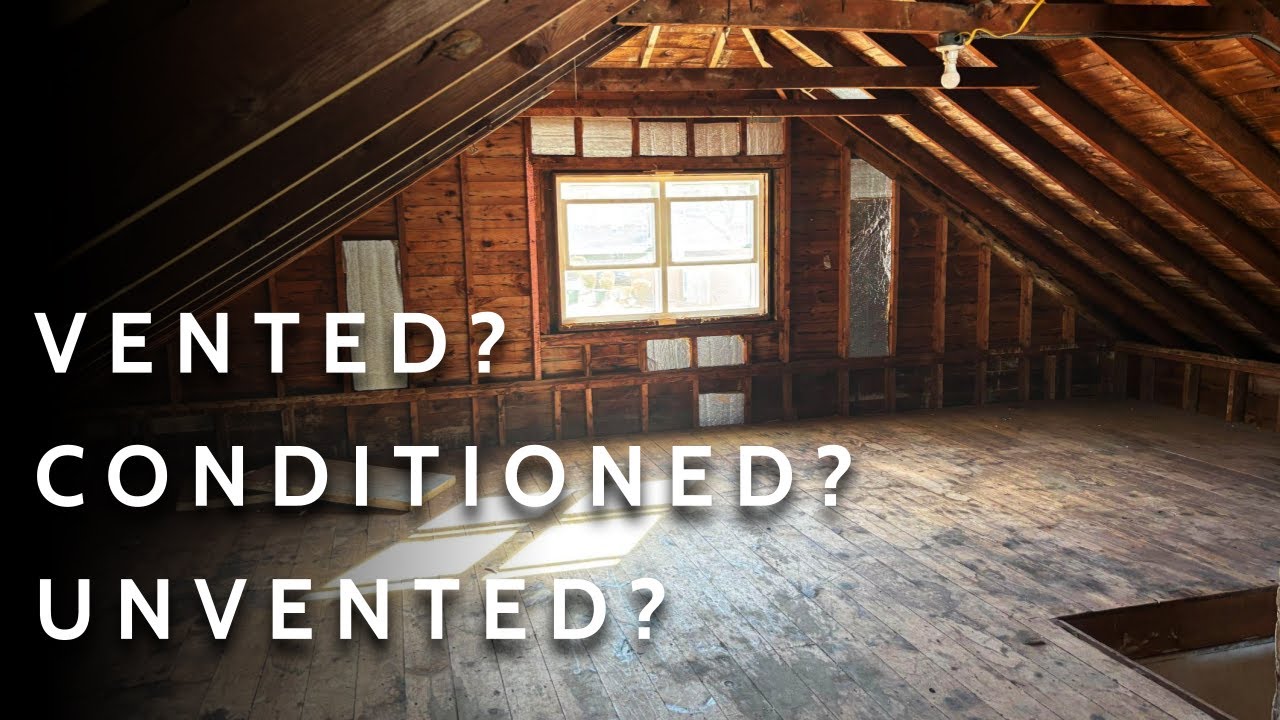
Ever stepped outside on a scorching South Florida day and felt the heat? Now imagine that heat, trapped and amplified, right above your head. That’s exactly what’s happening in your attic every summer. It's not just hot up there; it's a science-driven oven, and understanding how it works is the first step to fixing it.
Think of your attic like a car parked in the sun. Heat pours in through the roof but has nowhere to go, building up relentlessly. This process is driven by three specific types of heat transfer all working against you.
Your attic’s temperature doesn’t just rise—it skyrockets. This is because a few key principles of physics are creating a brutal, self-perpetuating cycle of heat.
Conduction: It all starts with direct contact. The sun beats down on your shingles, and that heat physically transfers right through the roofing materials—from the shingles to the underlayment and down to the plywood roof deck. Your entire roof assembly essentially becomes a giant hot plate.
Convection: Once the roof deck gets hot enough, it starts baking the air inside the attic. Since hot air rises, you get a swirling vortex of superheated air trapped in the space. With no effective way to escape, this convective loop just keeps circulating and getting hotter.
Radiant Heat: This is the real killer. The underside of your blazing-hot roof deck starts radiating thermal energy downward, just like the glowing coils in an oven. This invisible wave of heat blasts everything below it—your insulation, your AC ductwork, and the attic floor—transferring immense heat without even touching it.
These three forces work in concert to create the extreme summer attic temperatures that make your home so difficult and expensive to keep cool.
Here in South Florida, we have a fourth opponent that makes everything exponentially worse: humidity. Our thick, moist air is a master at trapping heat, far more so than the dry air found in other climates.
This is why traditional attic ventilation often backfires on us. The whole idea is to pull in "cooler" outside air to push the hot attic air out. But when the outside air is 90 degrees and saturated with moisture, you’re not really solving the problem—you might even be making it worse by pumping humidity into your attic.
In fact, the combination of intense heat and trapped humidity is exactly why a standard vented attic feels so much worse than the already oppressive air outside. This pocket of superheated, moisture-laden air sitting directly on top of your ceiling is what forces your air conditioner to run nonstop.
The numbers don't lie. Across major U.S. markets, attics now average 20-40°F hotter than the living space below, directly contributing to cooling cost increases of 30% or more in places like South Florida. It's part of a much bigger trend; as global temperature reports show, hundreds of millions are seeing record warm years, which only intensifies local conditions from Jupiter to Stuart. You can review the global temperature report from Berkeley Earth to see the data for yourself.
This isn't just an interesting science lesson; it has a direct impact on your comfort and your bank account. The constant radiant heat beating down on your ceiling forces your AC system to work overtime just to keep up, leading to premature wear and tear and those painful summer utility bills.
An overheating attic isn't just uncomfortable—it's a massive, often hidden, financial drain. While you might notice a stuffy room or two, the real damage is quietly showing up on your utility bills and shortening the life of your home’s most expensive equipment. Those extreme summer attic temperatures you’re dealing with are costing you real money, month after month.
The most obvious hit comes from your cooling bills. When your attic bakes at 150°F, it acts like a giant radiator parked on top of your house, forcing your air conditioner to run constantly just to keep up. This uphill battle can easily inflate your cooling costs by 20% to 40% during the hottest parts of the year.
For homeowners in places like Jupiter or Wellington, energy efficiency studies show that attics without modern insulation can drive up cooling costs by 20-30% as superheated air pushes its way down into your living space. This is where airtight spray foam insulation makes a huge difference. By creating a seamless barrier, it stops that heat transfer cold and stabilizes attic temperatures. Based on regional performance data, a proper spray foam application can slash energy bills by up to 40%. You can find more climate insights at Climate Central to see how regional trends are making this even more critical.
But the financial bleeding doesn't stop with your electric bill. That immense strain on your HVAC system is a major hidden cost. Think of it like redlining your car's engine for hours every single day. This relentless workload leads to more frequent breakdowns, expensive emergency repair calls, and can ultimately shave years off the lifespan of your unit.
This infographic lays out the unseen expenses tied to an out-of-control attic.

The takeaways are crystal clear: a hot attic directly leads to inflated bills, premature equipment failure, and a constant fight for comfort. Beyond the money, there are other consequences that just make life harder.
The bottom line is that ignoring high summer attic temperatures is an expensive choice. These costs aren't just theoretical; they are real expenses that pile up month after month, year after year.
Taking proactive steps to cool your attic isn't just about being comfortable—it's one of the smartest financial decisions a property owner can make. By investing in a solution that permanently gets attic temperatures under control, you stop the financial drain and protect your home's most critical systems. You can even use our calculator to estimate potential savings based on improved insulation. Addressing the root cause is the only way to get lasting relief and real savings.

Alright, you’ve seen how your attic turns into an oven. Now for the good part: the playbook for fighting back. Taming high summer attic temperatures isn't about one magic bullet; it's about a smart, comprehensive strategy. Let’s walk through the most common methods to see what actually works in our demanding South Florida climate.
For decades, the go-to solution has been traditional attic ventilation—a system of soffit vents to pull air in and ridge vents to let hot air out. The logic is simple enough: let the hot air escape. It’s the same idea as cracking the windows on a sweltering car.
But here’s the problem in South Florida: that approach can backfire spectacularly. When the "cooler" outside air is 92°F with suffocating humidity, you’re not really solving anything. You’re just inviting a fresh batch of hot, moisture-laden air into your attic, which can make things worse and even encourage mold.
While effective roof ventilation strategies might be one piece of a larger puzzle, they are almost never the complete answer for our region. The climate just works against it.
Another option you’ll hear about is a radiant barrier. This is basically a sheet of reflective foil, typically stapled to the underside of the roof rafters. It’s designed to do one thing: reflect radiant heat from the blistering hot roof deck, stopping it from beaming down onto your insulation.
Radiant barriers definitely help reduce that specific type of heat gain. Our own guide on radiant barrier insulation in the attic covers how they work. But they have limitations. They do absolutely nothing to stop heat moving through conduction or convection, and more importantly, they don't stop hot, humid air from pouring into a vented attic. It's an incomplete fix.
The most effective modern solution flips the old thinking on its head. Instead of constantly trying to vent the heat out, you stop it cold before it ever gets in.
Think of a traditional vented attic like a cheap picnic cooler. You can keep throwing ice in (that’s your AC working overtime), but the leaky lid lets heat and humidity pour in. Everything gets lukewarm and damp. A sealed attic, on the other hand, is like a high-performance Yeti cooler. It creates a complete, airtight barrier that keeps the outside temperature out and the inside temperature exactly where you want it.
This "sealed cooler" approach is what we achieve with spray foam insulation. It’s the only solution that tackles all three forms of heat transfer at once.
To make it easier to see the differences, we’ve put together a quick comparison of the most common attic cooling strategies and how they stack up in our humid climate.
| Solution | How It Works | Effectiveness in High Humidity | Best For |
|---|---|---|---|
| Traditional Ventilation | Moves hot air out and pulls "cooler" air in through soffit and ridge vents. | Low. Often introduces more hot, humid air, increasing moisture risk. | Dry, windy climates where outdoor air is significantly cooler and less humid. |
| Radiant Barrier | Reflects radiant heat waves coming from the hot roof deck. | Moderate. Reduces radiant heat but doesn't stop air leakage or heat from conduction. | Supplementing other insulation methods; best in vented attics to reduce some heat load. |
| Spray Foam Insulation | Creates an airtight seal on the roof deck, stopping air, heat, and moisture transfer. | High. Creates a conditioned space, preventing hot, humid air from entering the attic. | South Florida homes seeking a permanent solution to high energy bills and heat. |
As you can see, the clear winner for our climate is a solution that creates a complete air and thermal barrier.
This is where spray foam insulation, especially closed-cell spray foam, truly shines. We apply it directly to the underside of the roof deck, sealing every last crack, seam, and gap.
By doing this, we transform the attic from a blistering heat trap into a semi-conditioned buffer zone. An attic sealed with spray foam can stay within 10-15 degrees of your home's indoor temperature, not 60 degrees hotter. By stopping the heat right at the roofline, you take a massive load off your HVAC system, see a real drop in your energy bills, and finally get a comfortable, consistent temperature throughout your entire home.

While fans and barriers can help, they're really just fighting a losing battle against the sun. The most effective way to handle South Florida’s brutal summer attic temperatures is to stop the heat from ever getting in. We do this by creating a sealed, unvented attic, which completely changes the game.
Instead of trying to push superheated air out, a sealed attic creates a complete air barrier. We apply spray foam insulation directly to the underside of your roof deck, which seals every crack and gap. This barrier effectively separates your attic from the scorching heat outside.
This one step tackles all the ways heat invades your attic. It stops radiant heat dead in its tracks, ends the convective loops of swirling hot air, and halts heat from conducting through the roof itself. For homeowners in Jupiter and Wellington, this is how you win the war against attic heat.
The real genius here is how we change your home’s thermal boundary. In a typical house, your insulation is on the attic floor, making that the ceiling of your living space. With a sealed attic, we move that boundary all the way up to the roofline.
Suddenly, your attic is inside your home's conditioned envelope, almost like another room. It’s no longer baking at 150°F. Instead, its temperature stays much closer to what you have your thermostat set to. All that expensive AC ductwork running through the attic is no longer losing its cool air to a sweltering environment.
A sealed attic is the difference between leaving your home’s "front door" wide open to the summer heat and locking it tight. By creating this complete air and moisture barrier, you take absolute control over your home's environment, making it more resilient, efficient, and comfortable.
The benefits go far beyond just a cooler attic. It’s a complete upgrade for your entire home.
Getting a sealed attic right comes down to using the right stuff. Here in South Florida, closed-cell spray foam is the only way to go for this application. It’s a certified vapor barrier, which is non-negotiable for blocking the intense humidity we deal with every day. What your roof is made of matters, too; for example, knowing about the best roofing shingles for Texas weather shows how much exterior choices can influence the system's performance.
When we apply closed-cell foam, we aren't just insulating. We're air-sealing and creating a moisture barrier all in one shot. This one application makes the old, leaky system of vents and fluffy insulation obsolete. If you want to dive deeper into the science, you can learn more about how spray foam insulation works and what makes it so different.
For true, long-term relief and peak efficiency, sealing the attic is the ultimate solution.
Making the right call on your home’s energy efficiency can feel like a big decision. To clear things up, we've put together answers to the questions we hear most from homeowners dealing with high summer attic temperatures and looking for a real, permanent solution.
An attic fan might seem like a straightforward fix, but here in South Florida, it's usually fighting a losing battle. The whole idea is to pull hot air out and draw "cooler" air in from the outside. The problem? When that "cooler" outside air is already 92°F and dripping with humidity, you’re just swapping one problem for another.
This constant exchange floods your attic with hot, moisture-heavy air, creating the perfect conditions for condensation and mold. On top of that, the fan runs on electricity, adding another line item to your utility bill without ever getting to the root of the heat gain.
A far more effective—and permanent—solution is sealing the attic with spray foam insulation. This strategy stops the heat and humidity dead in their tracks, creating a stable, conditioned space instead of constantly battling the oppressive outdoor air.
Absolutely. The main job of attic insulation isn't to make the space usable; it's to protect the living area right underneath it. An uninsulated or poorly insulated attic acts like a giant radiator, relentlessly beaming heat straight down through your ceiling.
This puts a massive strain on your air conditioner, forcing it to run almost constantly just to keep your home comfortable. An investment in proper insulation quickly pays for itself through major savings on your cooling costs. It's less of an attic upgrade and more of a critical improvement for your entire home's performance.
This is where closed-cell spray foam really shines, and it’s one of its most important advantages. Unlike traditional insulation that can soak up and hold onto moisture like a sponge, closed-cell spray foam is an approved vapor barrier. We apply it directly to the underside of the roof deck, creating a single, unbroken shield.
This barrier stops warm, humid air from ever seeping into your attic and condensing on cooler surfaces—a notorious cause of mold and mildew in typical vented attics here in Florida. The result is a clean, dry, conditioned space that practically eliminates the risk of moisture problems. It doesn’t just manage moisture; it blocks it completely.
Ready to take control of your attic's temperature and slash your energy bills? Airtight Spray Foam Insulation has the expertise and high-performance materials to create a cooler, healthier, and more efficient home. Request a free quote today and discover how our Airtight Comfort System can transform your South Florida property.