If you're looking at insulation options in South Florida, you're probably dealing with one of three problems right now. Your attic is turning the ceiling below it into a radiator. Your house feels humid even when the AC is running. Or you want a quieter interior without tearing the whole place apart.
That's where open cell foam sheets and open-cell spray foam come into the conversation. They can solve real comfort problems, but they're not a magic fix, and in a hot-humid climate like South Florida, the details matter more than the sales pitch. The wrong assembly can create moisture trouble. The right one can make a house feel tighter, quieter, and easier to cool.
Open cell foam makes more sense when you stop thinking about chemistry and think about kitchen tools.
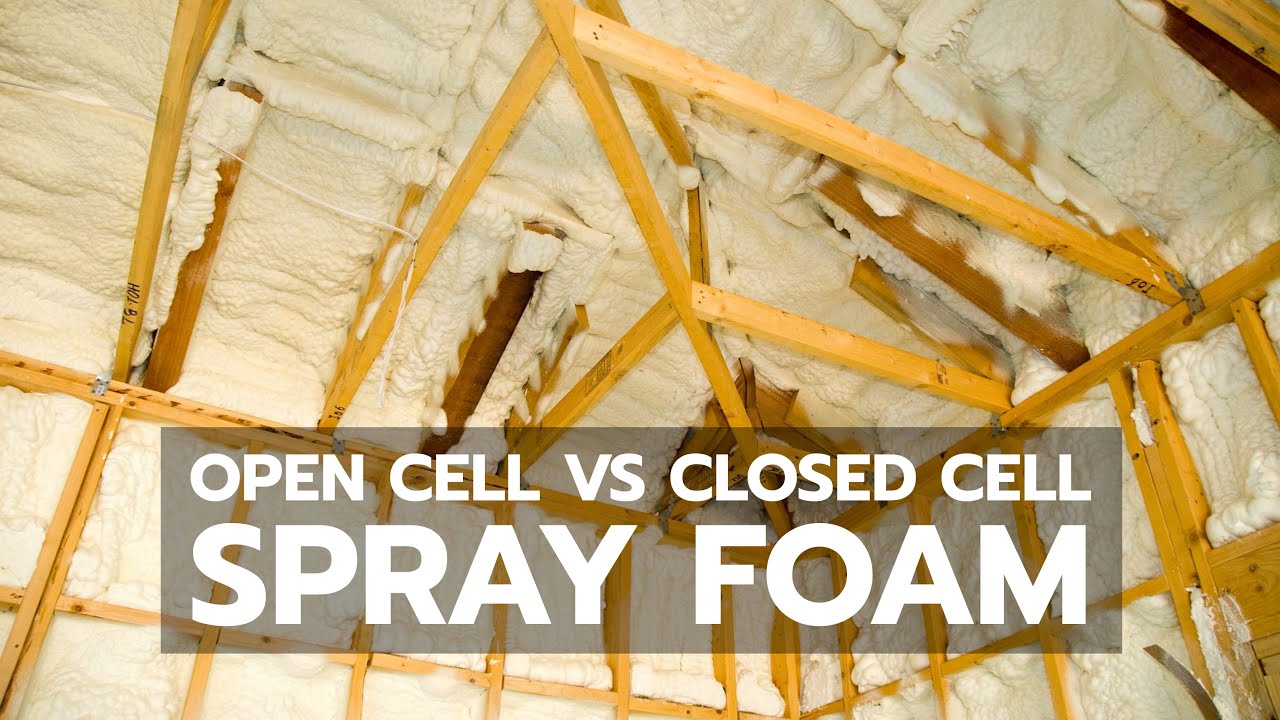
A sponge has lots of tiny connected spaces. Air moves through it. Moisture can move through it. It compresses easily. That's the basic idea behind open-cell polyurethane foam. The cells connect to each other instead of staying sealed off.
A closed-cell product is the opposite. Think of a bunch of tiny sealed cans packed together. That structure makes it denser and less permeable. Open cell foam sheets are softer, lighter, and more breathable because the cell walls are open rather than sealed.
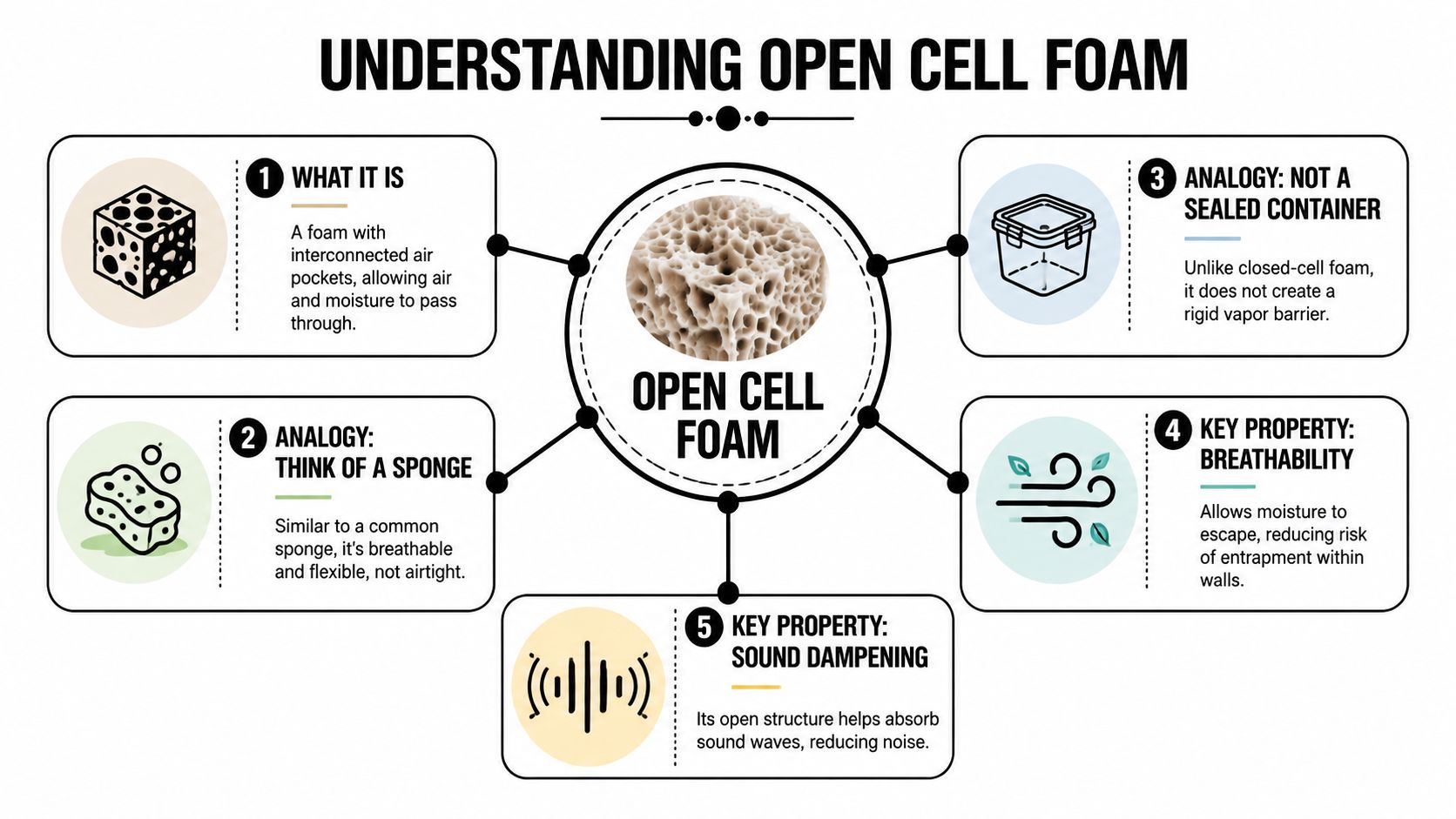
In polyurethane foam, the cells “burst,” leaving an interconnected network instead of sealed bubbles. That's why open-cell products are known for being lightweight and breathable. Technical data sheets commonly show about 0.5 pcf apparent density and open-cell content greater than 90%, which helps explain why the material expands well and works so well for air sealing in irregular cavities, according to Johns Manville open-cell foam technical data.
That physical structure is the whole story. It's why open cell foam sheets:
If you're comparing insulation categories, a basic overview of types of spray foam insulation helps clarify where open-cell fits and where it doesn't.
People often hear “foam” and assume all foam does the same job. It doesn't.
Practical rule: Open-cell foam is mainly an air-sealing and sound-control product with moderate thermal resistance. It is not a structural material, and it is not the default answer for every wet or high-exposure area.
That matters in South Florida. A breathable insulation can be useful when a wall or roof assembly needs drying potential. But breathable doesn't mean waterproof. And soft doesn't mean weak in a bad way. It just means the product is solving a different problem.
When I explain it to homeowners, I usually keep it simple. Open-cell foam is the insulation you choose when you want to fill space, stop uncontrolled air movement, and quiet a room, while understanding that moisture strategy has to be handled by the full assembly, not by the foam alone.
The strongest argument for open-cell foam is comfort. Not brochure comfort. Real, day-to-day comfort where some rooms stop feeling muggy, outside noise drops, and the AC doesn't have to fight constant air leakage through the building shell.
A typical open-cell spray foam product is rated R-3.8 per inch and has an NRC of 0.70 at 3 inches, meaning it absorbs 70% of sound energy at that thickness, according to the Tiger Foam open-cell spray foam data sheet. That tells you a lot in one line. It's not the highest R-value material per inch, but it does a very good job with acoustics.
That trade-off makes sense in places like:
Open-cell also expands into odd framing conditions better than many rigid products. In older homes, that matters. Cavities aren't always neat. Framing isn't always straight. Foam that can conform to what's there often performs better than a material that looks perfect only on paper.
The downside is just as real. Open-cell doesn't give you the same thermal resistance per inch you'd expect from denser alternatives. It also doesn't add meaningful structural strength. If your project needs a tougher, more water-resistant insulation layer, this isn't the product I'd reach for first.
And because the material is vapor-open, the assembly around it matters more. South Florida homes don't just fight heat. They fight outdoor humidity, interior cooling, duct leakage, and condensation risk. If you use open-cell foam in the wrong roof or wall setup, you can create a moisture problem while trying to solve an energy problem.
Good insulation choices come down to the whole assembly. Roof deck, drywall, HVAC runtime, duct condition, and humidity control all matter.
A lot of homeowners focus only on R-value, but windows are a good reminder that heat flow is more complicated than one number. If you want a plain-English explanation, this guide on what is the u factor in windows is useful because it shows how materials perform as systems, not just labels.
Open-cell foam is a deliberate compromise, not a compromise in the negative sense.
That's why it works very well in some South Florida applications and poorly in others. The product itself isn't the problem. Misapplying it is.
Most homeowners aren't choosing between good and bad insulation. They're choosing between three tools that solve different problems.
Fiberglass is familiar and usually less expensive up front. Closed-cell foam is denser and tougher. Open cell foam sheets sit in the middle as a strong air-sealing and sound-control option with some important humidity caveats. If you want a focused breakdown of open-cell vs closed-cell insulation, that comparison is worth reviewing before you sign off on a scope of work.
| Feature | Open-Cell Foam | Closed-Cell Foam | Fiberglass Batts |
|---|---|---|---|
| Air sealing | Very good when installed correctly | Very good when installed correctly | Weak on its own because air can still move around and through gaps |
| Sound control | Strong performer for interior noise | Decent, but usually not the first choice for sound | Fair, depends heavily on fit and assembly |
| Vapor behavior | Vapor-open and breathable | More resistant to vapor movement | Doesn't air seal, so moisture problems often come from air leakage as much as the batt itself |
| Water exposure | Not the best choice where bulk water is a concern | Better suited to harsher moisture exposure | Can lose effectiveness when installation quality slips or moisture gets involved |
| Rigidity | Soft and non-structural | Dense and more rigid | Soft, but doesn't seal cavities the way foam does |
| Best-fit jobs | Interior walls, some rooflines, sound-focused spaces | Tougher assemblies, tighter thickness limits, more demanding moisture conditions | Budget-driven projects where air sealing is handled separately |
Fiberglass can work fine when the cavity is perfect, the air barrier is excellent, and the installation is careful. The problem is that real houses rarely give you all three. Gaps around wiring, plumbing, top plates, recessed lights, and uneven framing all chip away at performance.
Open-cell foam earns its keep because it seals those irregular spaces. Even with moderate per-inch R-value, that air control can improve comfort in a way homeowners notice right away. Rooms don't feel drafty. Temperature swings settle down. The AC isn't battling as much infiltration.
Closed-cell gets the nod when thickness is limited or the assembly needs more resistance to moisture movement. It's a denser, more specialized product. In South Florida, that can matter in select roof, wall, and metal-building applications.
Here's the practical version.
If you want insulation that dries more easily through the assembly, open-cell may fit, but only when the roof or wall is designed correctly. If you want the insulation layer itself to do more of the moisture-blocking work, closed-cell is usually the safer direction. If you choose fiberglass, you need to be honest about air leakage, because humid air moving through a wall or attic can undo a lot of what the batt was supposed to accomplish.
The cheapest insulation on proposal day can become the most expensive one to live with if the house still leaks air and struggles with humidity.
For a South Florida homeowner, the right question isn't “Which insulation is best?” It's “Which insulation matches this assembly, this humidity load, and this budget without creating a moisture trap?”
Open-cell foam shines when the job is less about brute density and more about filling space, stopping air movement, and softening sound.
A common South Florida complaint goes like this. “The upstairs never cools off, and the AC runs forever in the afternoon.”
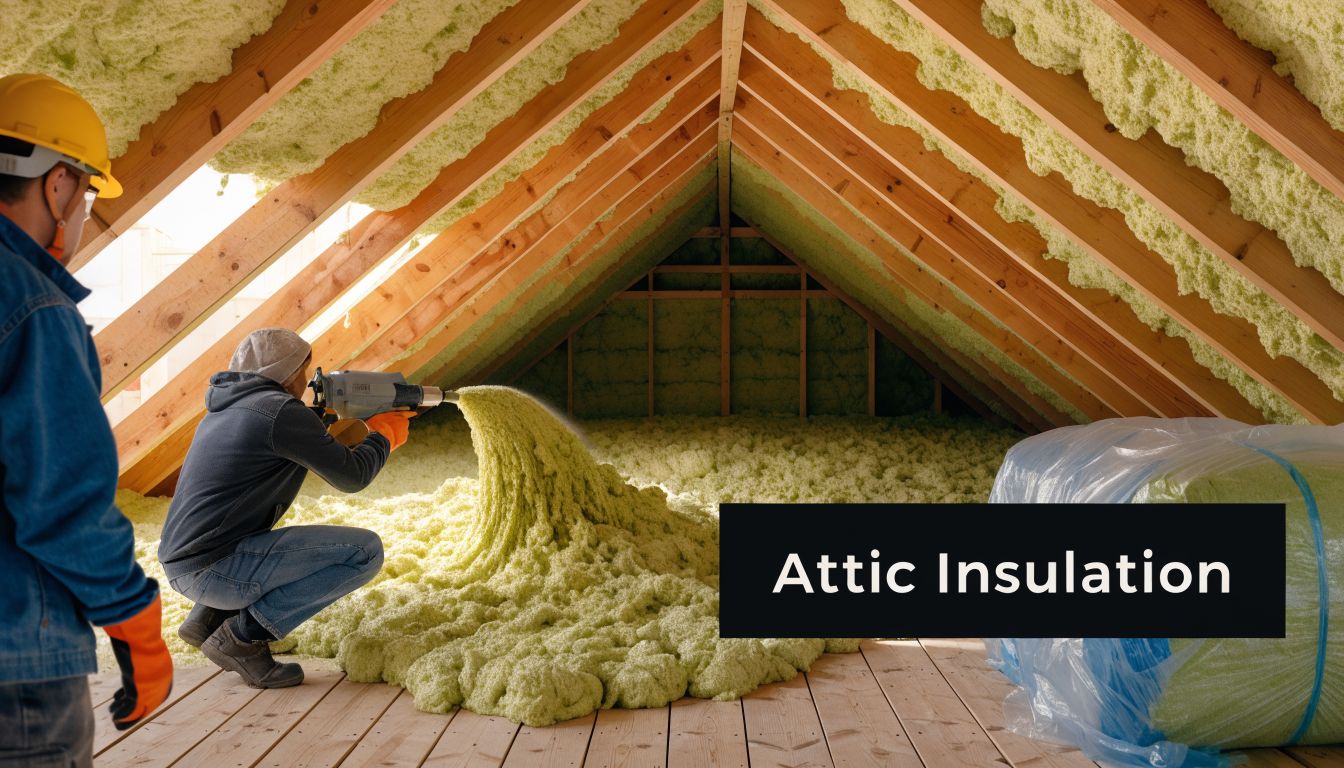
In many homes, the issue isn't just lack of insulation. It's hot attic air leaking and radiating into the living space. Open-cell foam at the roofline can help convert that hostile attic into a more controlled space by reducing uncontrolled air movement through the envelope. Product specs for one open-cell system note tack-free expansion in 30 to 45 seconds and full cure within 1 hour, which helps crews move efficiently across large attic and roof areas, according to the UPC open-cell one-sheet product data.
That installation speed matters on bigger jobs, but the primary benefit for homeowners is what happens afterward. Ductwork often operates in a friendlier environment, attic heat load drops, and the home tends to feel more stable.
If you want a broad attic-insulation perspective from another market, this homeowners guide to Dallas attic insulation is useful because it highlights how attic strategy affects comfort, even though South Florida humidity requires a different moisture lens.
This is one of the most underrated uses.
A home office next to a living room. A bedroom wall backing up to a bathroom. A media room where you don't want every bass note traveling through the house. Open-cell foam works well here because sound is part of the problem, not just heat transfer.
It doesn't turn a room into a recording studio. But it can take the edge off voices, TV noise, and general household transfer in a way standard cavity insulation often doesn't match.
A quick look at the application process helps:
Metal buildings create a different headache. They sweat. Warm, humid air meets cooler metal surfaces, and condensation shows up fast.
Open-cell foam can help by limiting humid air contact with those surfaces and by creating a more usable interior environment. But this is one of those jobs where assembly design matters a lot. If the building has persistent bulk water issues or needs a tougher moisture-control layer, open-cell may not be the best standalone choice.
For workshops, garages, and light commercial spaces, the material often works best when the goal is to make the space less harsh, less echo-prone, and easier to condition without overbuilding the entire envelope.
South Florida is where sloppy insulation advice gets exposed.
A product that performs well in a dry climate can become a problem here if the installer ignores dew point, indoor humidity, roof design, or HVAC behavior. This is why I put less weight on generic “foam is best” claims and more weight on whether the person designing the assembly understands hot-humid buildings.

In humid climates, the biggest concern with open-cell foam isn't comfort. It's moisture management. Available product guidance notes that open-cell foam can absorb and hold liquid water if a leak occurs, and because it is vapor-open, it is not a standalone vapor barrier, which means the assembly has to be designed carefully to avoid condensation issues, as explained in Envirofoam's low-density open-cell product discussion.
That's the part too many generic articles skip.
If a roof leaks, open-cell can take on water. If humid air is moving through the wrong assembly and finds a cool condensing surface, breathability alone won't save you. The roof system, interior finish, mechanical design, and drying path all have to make sense together.
In South Florida, insulation choice is only half the job. Moisture control is the other half.
A lot of homes here use spray foam to bring the attic into the conditioned envelope. That can be a smart move, especially when ducts and air handlers sit in attic space. But once you tighten the house, the HVAC system has to behave properly.
Here's what that means in plain English:
I like open-cell in South Florida when the priorities are air sealing, interior sound control, and well-planned roofline or wall assemblies with a clear drying strategy.
I get cautious when:
That last point matters more than people think. Foam can reduce unwanted air exchange, but it doesn't replace humidity control. If your AC and ventilation setup aren't right, insulation won't fix that by itself.
Homeowners usually ask cost first, but installation quality decides whether the cost was worth it.
Open-cell foam is not a DIY-friendly material in the way many people assume. Small kits exist, but whole-house or attic applications need proper equipment, substrate prep, safety controls, and consistent spray technique. If thickness varies too much or areas get missed, the performance drops fast.
A solid project usually follows this sequence:
Inspection and scope review
The contractor checks the attic, walls, roofline, or metal building and looks for moisture history, access issues, exposed wiring concerns, and mechanical equipment conditions.
Prep work
Surfaces need to be dry, accessible, and ready to receive foam. Old insulation may need removal depending on the assembly. The crew protects adjacent areas and confirms where foam should and should not go.
Application
The installer sprays to the target depth and pays close attention to corners, penetrations, top plates, and awkward transitions. Those are the spots where air leakage usually survives a bad job.
Trim, cleanup, and review
Excess material gets trimmed where necessary. The crew cleans up and walks the owner through what was insulated and why.
If you want a pricing primer before requesting estimates, this guide to open-cell foam insulation cost gives a useful overview of how contractors usually price these jobs.
Spray foam work is commonly discussed in board feet, but the actual quote depends on several job-specific factors:
ROI isn't just a utility bill question, though energy savings are part of it.
The practical return usually shows up as:
That last phrase matters. A good foam job supports the building. It doesn't excuse neglected HVAC, unresolved roof leaks, or bad ventilation design.
The foam itself isn't the thing that “creates” mold. The concern is moisture. If a roof leak or condensation problem lets water stay in the assembly, moisture can support mold growth on surrounding materials. That's why leak detection and drying matter.
No. Product performance ties back to physical properties like closed-cell content, typically below 20%, and that affects tear strength, water absorption, and vapor permeability, as explained by American Flexible's open-cell foam overview. In plain terms, not every soft foam behaves the same.
Yes, especially in attics, rooflines, garages, and open wall cavities during remodeling. Retrofits can work very well, but older homes need a closer look at moisture history, ventilation, and mechanical systems before installation.
If you want practical guidance on whether open-cell is the right fit for your South Florida home, Airtight Spray Foam Insulation can help you evaluate the assembly, the humidity risks, and the insulation strategy before any work begins. The right recommendation isn't always “more foam.” It's the setup that keeps your home comfortable, controlled, and durable in Florida weather.