If you're in South Florida and your summer electric bill just landed with a thud, you're not imagining it. The combination of long cooling seasons, heavy humidity, hard afternoon sun, and air conditioners that run for hours at a time can turn an ordinary house into an expensive one fast.
Most advice about how to reduce utility bills starts with small habits. Turn off lights. Close blinds. Run laundry later. Those steps help, but they usually don't address the biggest reason South Florida homes stay expensive to cool. In hot, humid markets, the main problem is often the house itself. Generic advice tends to spend more time on habits than on air sealing, insulation, and duct leakage, even though those are the issues that directly affect comfort and HVAC loss, as noted in Wawanesa's discussion of common electric bill tips.
That matters here more than it does in milder climates. In South Florida, your AC doesn't just lower temperature. It also has to manage moisture. Every gap around a door, attic hatch, recessed light, duct seam, or wall penetration lets hot, damp outdoor air creep inside. Then your HVAC system has to pay for that leak every day.
The fastest way to waste money in South Florida is to focus only on low-impact habits while ignoring high-impact losses. If your home leaks air, has weak attic insulation, or pushes conditioned air through leaky ducts in a hot attic, your thermostat settings alone won't fix the bill.
That doesn't mean the small stuff is pointless. It means you need to prioritize. Start with free habits and low-cost maintenance because they're easy and immediate. Then move to targeted fixes that stop conditioned air from escaping and humid air from getting in. After that, consider larger upgrades that improve the house as a system, not just one room at a time.
A practical South Florida order looks like this:
Practical rule: In a hot, humid home, don't ask your AC to outrun a leaky building envelope. Reduce the load first.
Some tips sound productive but don't move the needle much on their own:
| Action | Why it helps | Why it often falls short |
|---|---|---|
| Turning off lights | Reduces some usage | Usually not the main summer cost center |
| Manually adjusting the thermostat all day | Can save energy | People forget, and comfort swings too much |
| Unplugging one or two devices | Cuts small hidden loads | Works better as a system with power strips |
| Closing blinds occasionally | Blocks some sun | Inconsistent habits don't fix envelope losses |
The better approach is honest and boring. Reduce waste you can control today. Then put money into the places where your cooled, dehumidified air is escaping. That's how to reduce utility bills in South Florida without chasing gimmicks.
At 4 p.m. in South Florida, the AC is fighting outdoor heat, indoor humidity, and every small habit that adds load to the house. This section is about the cheap fixes that help right away. They will not correct major envelope problems, but they do reduce waste while you decide where bigger upgrades belong.
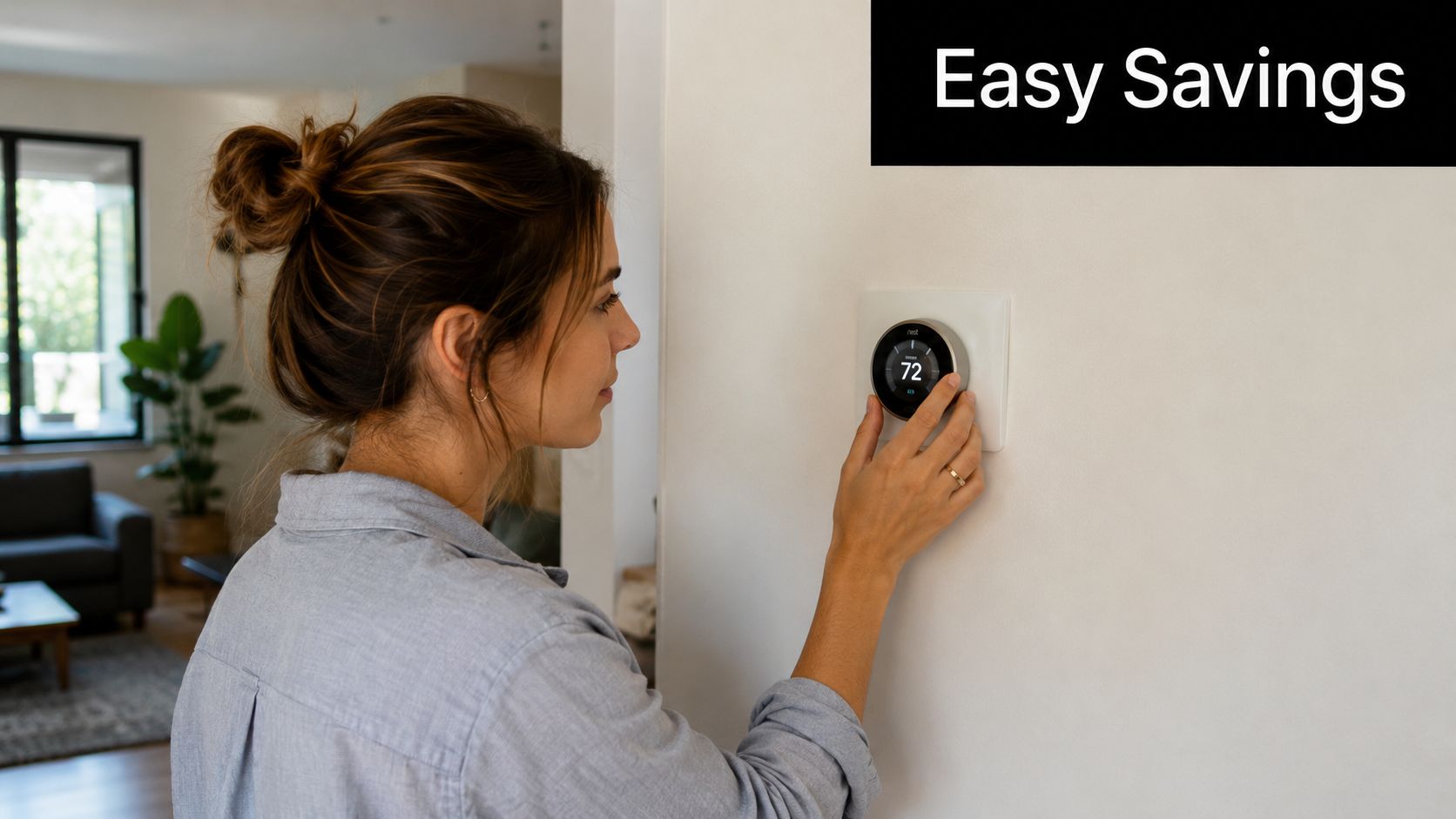
South Florida comfort depends on humidity control as much as temperature. If the thermostat is set low but the system is short-cycling or the house is empty all afternoon, you pay for cooling that is not improving comfort much.
Use a programmable or smart thermostat to raise the setpoint when the house is empty and return it to a reasonable occupied setting before people get home. Avoid extreme setbacks. In our climate, large temperature swings can leave the house damp and force the system to run hard later to recover.
Ceiling fans help because moving air makes a higher thermostat setting feel more comfortable on skin. Use them only in occupied rooms, since fans cool people, not the room itself. If you want a quick refresher on fan direction and warm-weather setup, these summer cooling tips from Sparkle Tech are useful.
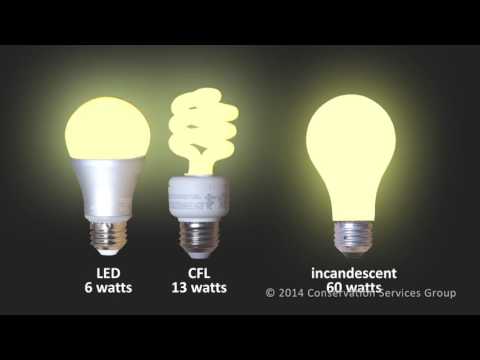
Idle electronics are not the biggest driver of a South Florida summer bill. AC usually holds that title. But standby loads are easy to cut, and they run all year.
Focus on device clusters instead of hunting one charger at a time:
Switched power strips work well here. One click shuts down several devices that would otherwise sip power 24/7.
A quick visual explainer helps here:
A neglected AC system loses efficiency fast in this climate. Salt air, long run times, and high humidity leave little room for sloppy maintenance.
Start with the basics. Change the filter on schedule recommended for your system and household conditions. A filter loaded with dust, pet hair, or renovation debris chokes airflow and can make rooms feel muggy even when the unit is running. Keep supply registers open and clear, and make sure return grilles are not blocked by furniture or drapes.
This is also a good time to check simple leakage points you can see. If the attic hatch is loose or unsealed, that opening can pull hot attic air into the house and add strain to the AC. Homeowners who want to understand that problem better should review these attic air leak sealing details.
West-facing glass is a real problem in many South Florida homes. Close blinds or shades before late afternoon sun starts baking the room, especially in spaces with large sliders or older windows. That will not perform like exterior shading or better glass, but it is a free habit that trims some heat gain.
Hot water use matters too. Long showers, very hot laundry cycles, and heavy dryer use add both utility cost and indoor heat. Running the dryer or dishwasher later in the evening can help a little during peak heat hours, especially in smaller homes and condos where internal heat buildup is noticeable.
One caution from the field. Homeowners often try to save money by setting the thermostat very high during the day, then very low at night. In South Florida, a steadier setup usually keeps humidity under better control and avoids that clammy feeling that leads people to overcool the house.
Once you've handled the easy stuff, the next dollars should usually go into air sealing and basic system tune-ups. These steps allow homeowners to stop treating symptoms and start fixing causes.
The building envelope is just the barrier between your conditioned indoor air and South Florida's outdoor heat and humidity. If that barrier leaks, your AC runs longer, your indoor humidity creeps up, and some rooms never feel right no matter what the thermostat says.
The U.S. Department of Energy says air sealing and proper insulation can significantly cut heating and cooling energy use. RMI estimates that fixing a home's air leaks alone can save 10% to 20% on bills, and heating and cooling can account for more than half of an average utility bill, according to RMI's analysis of energy bill reduction.
In plain language, that means the leaks around the house aren't cosmetic. They're tied to the largest part of the bill.
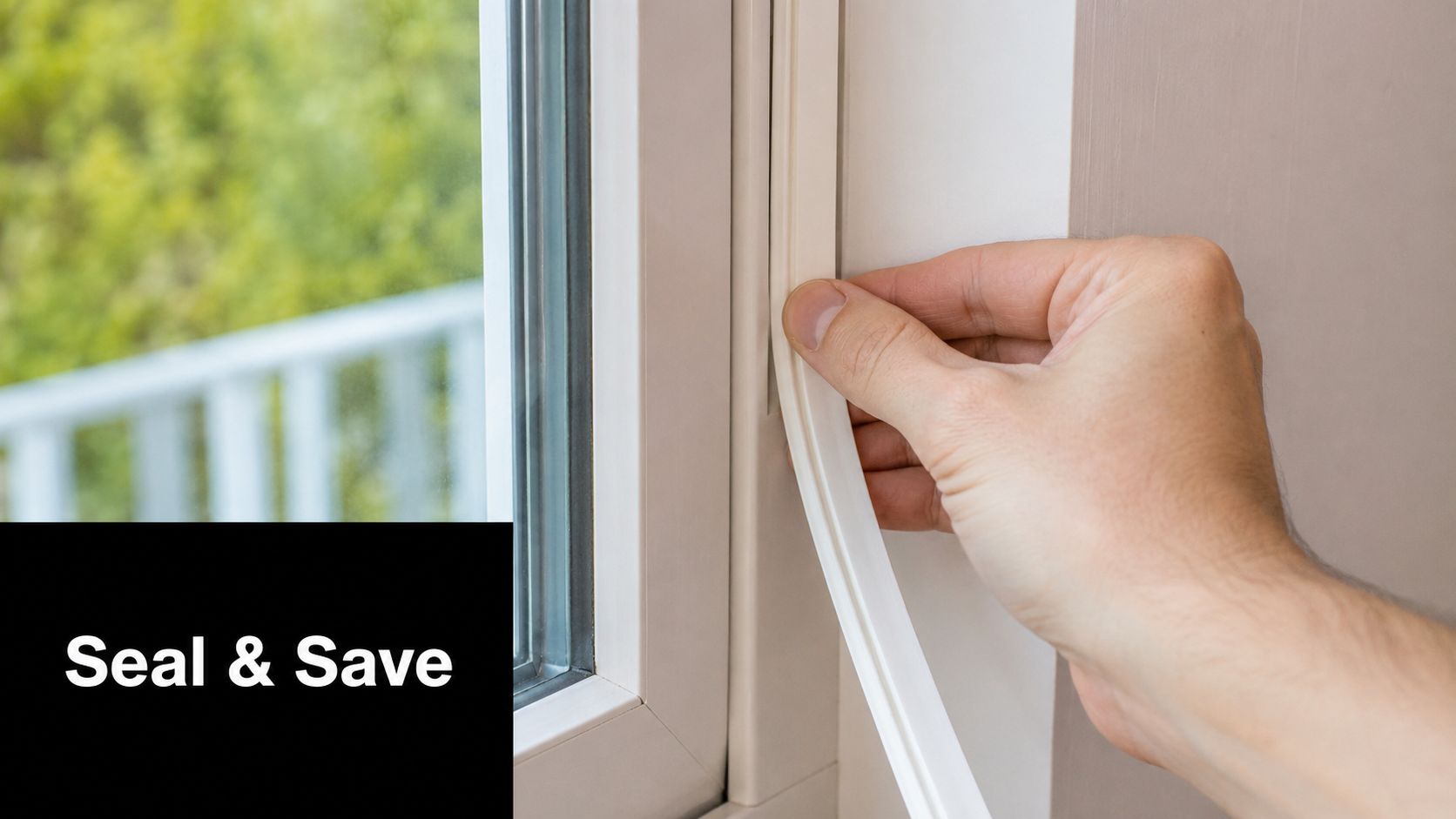
You don't need a full renovation to start tightening a house. In many South Florida homes, the first productive targets are simple and visible.
For attic-related problem areas, this guide on how to seal attic air leaks is a useful starting point.
Homeowners often separate envelope work from HVAC maintenance, but they affect the same bill. If the system is low on airflow, running with a dirty coil, or cycling poorly, sealing alone won't deliver its full value.
A proper HVAC tune-up can identify issues like:
| Tune-up item | Why it matters in South Florida |
|---|---|
| Coil condition | Dirty coils reduce heat removal |
| Condensate drainage | Poor drainage increases moisture problems |
| Blower performance | Weak airflow hurts comfort and dehumidification |
| Thermostat calibration | Bad readings lead to overcooling or undercooling |
| Duct condition | Leaks waste conditioned air before it reaches rooms |
Field observation: Homes that feel "cold but humid" often have more than one problem. Air leakage, duct leakage, and HVAC setup tend to stack on top of each other.
This middle tier is where many of the best returns live. The cost is still manageable compared with major replacement work, and the impact usually shows up in comfort first. Lower bills tend to follow when the house finally stops bleeding cooled air into the attic or drawing wet outdoor air inside.
A common South Florida call goes like this: the AC runs most of the afternoon, one side of the house stays warm, the indoor air feels sticky, and the electric bill keeps climbing. At that point, small habit changes have usually done all they can. The next gains come from upgrades that cut heat gain, control moisture, and reduce how hard the cooling system has to work.
In South Florida, attics get brutally hot. If supply ducts, return ducts, or boots leak in that space, cooled air is lost before it reaches the rooms that need it. The system runs longer, room temperatures drift apart, and homeowners often respond by lowering the thermostat. That raises cost without fixing the underlying problem.
This is one reason I tell homeowners to be careful about replacing equipment too early. A new condenser or air handler can help if the old one is failing or badly oversized, but new equipment connected to a poor duct system usually delivers disappointing results. Fix the delivery side first or at least evaluate it at the same time.
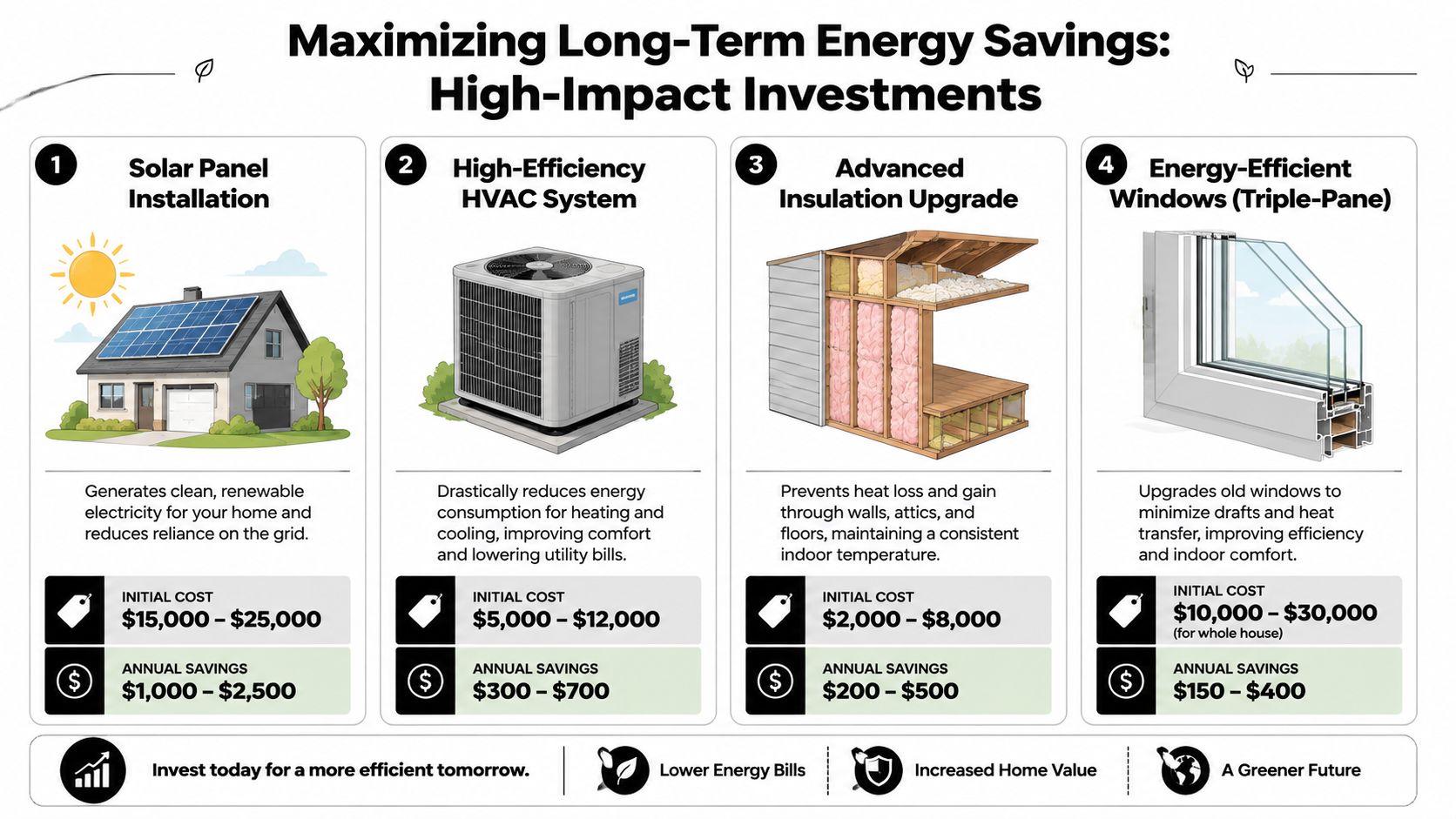
Insulation matters here, but the choice is not only about R-value. In this climate, the assembly also has to limit humid air movement and manage condensation risk. An attic upgrade that looks good on paper can create moisture trouble if it is installed without regard for roofline design, ventilation, and existing HVAC conditions.
For homeowners weighing options, this guide to the best attic insulation for hot climates explains the trade-offs clearly.
Spray foam can make sense in the right assembly because it insulates and helps reduce air movement at the same time. That can be useful in South Florida homes with severe attic heat gain, complex rooflines, or comfort problems tied to humid outside air getting into the house. Providers such as Airtight Spray Foam Insulation install these systems for homeowners trying to reduce attic-related heat load and uncontrolled air leakage. The caution is cost. Foam is usually a bigger-ticket upgrade, so it needs to solve a real problem, not just sound advanced.
Smart thermostats and zoning controls can trim waste, but their value depends on the house already having decent fundamentals. If the envelope leaks or the attic is loading the system all day, a smart control mostly manages a bad setup more efficiently.
Used in the right order, controls do help. The U.S. Department of Energy's guidance on programmable thermostats supports careful temperature scheduling to reduce unnecessary runtime. In South Florida, the practical goal is steady comfort without overcooling the house just to feel dry.
Solar can lower purchased electricity. New windows can reduce solar heat gain. Both are legitimate upgrades, but neither should be the automatic first move in a cooling-dominated, humidity-heavy climate.
I see this mistake often with windows. Homeowners spend heavily on full window replacement when the bigger issue is west-facing sun, poor attic performance, or air leakage elsewhere. In many homes, targeted shading and interior treatments are the better first step. These specialized window coverings to stop heat transfer are one example of a lower-cost way to reduce room-by-room heat gain before committing to full replacement.
A high electric bill can come from a struggling house, not just an old AC unit.
The best long-term investments are the ones that reduce load first and equipment stress second. In South Florida, that usually means improving the attic, ducts, insulation strategy, and solar control before spending big on upgrades that look impressive but leave the same comfort problems in place.
If you don't measure results, it's easy to misread what worked. Utility bills change for more than one reason. Weather changes. Occupancy changes. Rates change. A hotter month can wipe out the visual difference from an improvement even when the house is performing better.
The cleanest way to judge progress is to build a baseline before you make changes.
A practical method is to collect at least 12 months of utility bills so you can analyze patterns and compare month-to-month usage, not just spending. EnergyCAP recommends tracking historical consumption and looking at kWh or therms rather than only dollar totals, because rate changes can hide real usage trends in its guide to smarter utility bill savings.
That gives you a clearer answer to questions like these:
For homeowners who want a plain-language overview of bill organization and recordkeeping, this explanation of streamlining utility bill expense management is a helpful companion.
Look for the data that reflects use, not just payment amount.
| Bill element | What it tells you |
|---|---|
| kWh used | Your electricity consumption |
| Billing period | Whether you're comparing similar date ranges |
| Rate details | Whether a higher bill came from pricing changes |
| Seasonal spikes | Which months deserve the most attention |
| Notes after upgrades | What changed and when |
Keep a simple log with dates for filter changes, tune-ups, air sealing, duct work, thermostat resets, and insulation projects. Over time, that turns the bill into a diagnostic tool instead of just a monthly surprise.
Before starting larger projects, check utility and tax incentive options tied to efficiency improvements. Requirements change, and some programs are product-specific or contractor-specific, so verify details before you buy.
For homeowners in this market, a practical place to start is this roundup of FPL rebates and insulation guidance. It can help you narrow down which improvements might qualify and what paperwork to gather before installation.
Money-saving habit: Track one improvement at a time when possible. If you change five things at once, you'll feel the difference, but you won't know which fix delivered the most value.
Measurement matters because it keeps you from guessing. It also helps you decide what comes next. If bills improve but the house still feels uneven, that points to comfort-focused work. If comfort improves but usage stays stubborn, that points to billing structure, controls, or additional hidden loads.
By the time most South Florida homeowners start seriously looking into how to reduce utility bills, they've already tried the obvious stuff. They've adjusted the thermostat. They've closed the blinds. They've replaced filters. Sometimes those steps help a little. Sometimes they barely register.
The reason is usually straightforward. High bills in this climate are rarely caused by one single mistake. More often, it's a stack of issues: attic heat, uncontrolled humidity, air leakage, duct losses, weak insulation, and HVAC settings that are trying to compensate for all of it.
Every home has its own weak points. A concrete block house with a vented attic behaves differently from a newer home with complicated rooflines, lots of glass, and comfort complaints in specific rooms. A waterfront home deals with moisture pressure differently than an inland property. A rental property with high occupant turnover has a different usage pattern than an owner-occupied home.
That's why professional assessment beats generic checklists once you've done the basics. A good evaluation can identify where cooled air is escaping, where humid air is entering, whether the attic is amplifying heat load, and whether the duct system is delivering air the way it should.
Be cautious of one-size-fits-all sales pitches. If someone recommends replacing your AC before discussing air leakage, attic conditions, or duct losses, that's a red flag. If they talk only about gadgets and never about the shell of the home, that should also raise questions.
A solid recommendation should answer practical questions such as:
A lower bill is the obvious goal, but it usually comes bundled with other improvements homeowners care about just as much. Rooms stay more even. The house feels less sticky. HVAC runtime becomes less punishing. Noise often drops. The indoor environment gets steadier.
If you want durable savings in South Florida, the smart path is simple. Handle the easy waste. Fix the leaks. Upgrade the assemblies that keep heat and humidity out. Then verify the results against your bill history. That sequence works because it matches the climate instead of fighting it.
If you're ready for a personalized plan instead of another generic checklist, Airtight Spray Foam Insulation can help you evaluate where your home is losing efficiency and which improvements make sense first. A professional estimate can turn high summer bills, uneven temperatures, and humidity complaints into a clear action plan for a quieter, healthier, more energy-efficient home.