If your floors feel clammy, your AC seems to run forever, and there's a musty smell that never fully leaves, the problem may not be the thermostat. In a lot of South Florida homes, the actual issue is below your feet. The floor system leaks air, pulls in humidity, and lets outside conditions work their way into the house through the crawl space, band joist, and floor cavities.
That's why homeowners ask about spray foam insulation for floor joists. Done correctly, it can tighten up the floor system, reduce drafts, and help control moisture where fiberglass often struggles. Done carelessly, especially in a humid climate, it can lock moisture against wood and create a hidden problem.
That second part matters. South Florida is not the place for generic insulation advice. What works in a dry climate can go wrong fast in Jupiter, Palm Beach Gardens, West Palm Beach, Wellington, or Stuart if the installer ignores wood moisture, crawl space conditions, and ventilation strategy.
A lot of people notice the symptoms before they notice the cause. The house feels uneven from room to room. Floors over a crawl space never feel quite right. Some mornings, the air inside feels damp even though the AC is on. Then the utility bill shows up and confirms something's off.

In South Florida, those problems often trace back to an unsealed floor assembly. Air moves through gaps around floor joists and rim joists. Humid outdoor air sneaks in from below. Insulation that looks fine from a distance may have sagged, shifted, or never sealed the gaps in the first place. If you want a good primer on why hidden leakage matters so much, FM Insights' guide to air leakage is a useful overview.
Floor insulation isn't just there to slow heat flow. In this climate, it also has to help manage air movement and moisture migration. That's where standard batts often come up short. They can insulate, but they don't air seal on their own.
Spray foam changes that equation because it adheres directly to the substrate and seals irregular gaps that are common around framing. When the floor system is part of the home's weak points, sealing that area can improve comfort and make the house feel more stable day to day.
Practical rule: If your crawl space smells damp or your floors feel different from the rest of the house, don't assume you only need “more insulation.” You may need better air sealing and moisture control first.
Humidity is the multiplier here. A small leak below the house doesn't just let in outside air. It can introduce moisture that lingers around wood framing, insulation, and the underside of the subfloor. That's why floor joist insulation has to be treated as a building science decision, not just a product purchase.
Step into a South Florida crawl space in August and the problem shows up fast. The air is heavy, the wood can feel cool and damp, and the underside of the floor is often exposed to humid air for months at a time. In that setting, spray foam can solve a real comfort problem, or it can trap moisture in the wrong place if the assembly is not checked first.
Spray foam starts as a two-part liquid that mixes at the gun, expands on contact, and cures into insulation that also seals air leaks. For floor systems, that matters because joist bays are rarely perfect, clean rectangles. Real houses have pipes, wiring, blocking, patched framing, and gaps at the edges that batt insulation often leaves exposed.
A simple way to look at it is this. Batt insulation slows heat flow. Spray foam slows heat flow and blocks air movement at the same time. Under floors, especially above vented crawl spaces, that extra air sealing is usually the difference between insulation that looks fine and insulation that makes a difference in how the house feels.

Spray foam keeps showing up in floor systems for one reason. It fits the framing, seals the leaks, and stays in contact with the subfloor instead of sagging away over time.
That benefit is most noticeable in the spots that usually leak first. Rim joists, band joists, cantilevers, plumbing penetrations, and floor edges above crawl spaces are hard to seal well with cut-and-fit insulation alone. If your main comfort problem is around the perimeter of the floor system, this guide on how to insulate rim joists explains where foam often makes the biggest difference.
The main advantage is the combination of R-value and air sealing in one application. Traditional cavity insulation can deliver decent thermal resistance, but it does not stop humid air from slipping around the edges, through wiring penetrations, or up at the band board. In South Florida, that air leakage is not a small detail. It is often the reason floors feel clammy and rooms above crawl spaces never feel quite right.
Spray foam is especially useful in areas like:
Floor systems usually leak at the edges, penetrations, and framing transitions. The center of the joist bay is rarely the main problem.
Spray foam is not a product you choose by label alone. The right choice depends on crawl space conditions, wood moisture levels, the type of subfloor, and whether the crawl space is vented or being converted to a sealed assembly.
In South Florida, that moisture check matters before any foam is sprayed. If the subfloor or joists are already holding too much moisture, sealing them up without a plan can hold that moisture against the wood and create a bigger problem later. That is why we check the condition of the crawl space and the moisture content of the framing first, instead of treating every house like the same standard detail.
Used in the right assembly, spray foam can make floors more comfortable and reduce humid air entering from below. Used in the wrong assembly, it can hide a moisture problem you needed to fix first. That is the trade-off homeowners should understand before approving the job.
A South Florida crawl space can stay humid even when the house feels dry upstairs. That is why the open-cell versus closed-cell decision matters so much under floors. Both products air seal. The difference is how much moisture risk you are taking on with the assembly below the subfloor.
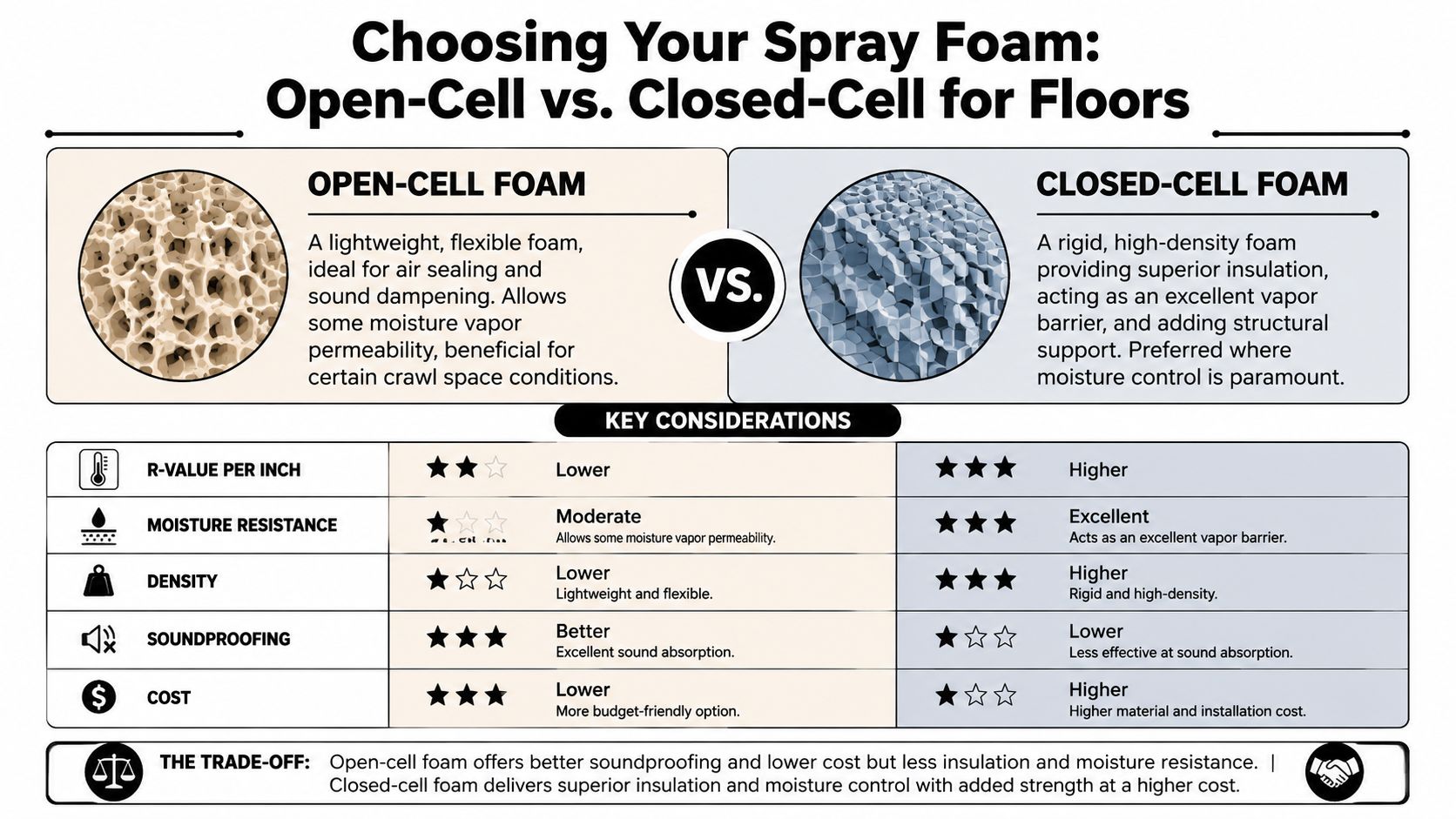
Open-cell foam is lighter, softer, and expands aggressively into irregular cavities. It air seals well and can help reduce sound transfer. It usually costs less.
Closed-cell foam is denser and more rigid. It gives you more R-value in less space, and in the right floor assembly it adds meaningful resistance to moisture movement. In a humid crawl space, that is a real advantage.
| Feature | Open-cell foam | Closed-cell foam |
|---|---|---|
| R-value per inch | About R-3.6 to R-3.9 per inch from ORNL findings | Higher R-value per inch, often used where cavity depth is limited |
| Moisture behavior | More vapor-permeable | Lower permeability and better suited to damp conditions |
| Rigidity | Softer, more flexible | Dense and rigid |
| Best fit | Drier assemblies or where budget and sound control matter | Humid areas where moisture control and compact R-value matter most |
Under many South Florida homes, the floor system is exposed to damp air for long stretches of the year. That pushes the decision toward closed-cell foam in many crawl spaces, especially at rim joists, floor edges, and joist bays with limited depth.
One rim-joist spray foam guide notes that closed-cell foam can reach about R-7 per inch and is often selected where added vapor resistance is needed in a compact space. In practical terms, that means more thermal performance without filling the whole cavity, and a better margin against humid air reaching cooler wood surfaces.
That does not make closed-cell automatic. If the wood is already damp, spraying a less permeable product directly against it can hide the problem instead of solving it. That is why our crew checks conditions first, and why homeowners should understand how crawl space insulation is installed and evaluated before foam is sprayed.
Open-cell still has a place under floors. I recommend it only when the crawl space is dry, the assembly has a clear drying path, and the homeowner understands that lower cost comes with less moisture protection.
It can be a reasonable fit when sound control matters between levels, or when the area below the floor is already conditioned and humidity is tightly controlled. In those situations, open-cell can perform well.
The mistake I see is treating both foams as interchangeable. They are not. Open-cell can be the right product in the right house. In a damp South Florida crawl space, it is often the less forgiving choice.
Poor results usually come from product selection without a moisture plan. A thin layer of foam on joists does not fix high wood moisture, outside air leaks, or a crawl space that stays wet after rain.
The better question is simple. Which foam fits the actual conditions under this house, and is the wood dry enough to seal in the first place? That is the decision that protects comfort, efficiency, and the framing itself.
Generic advice fails fast in a South Florida crawl space. A floor system here doesn't just deal with heat. It deals with sustained humidity, damp air, and the possibility that wood is already carrying moisture before the job even starts.
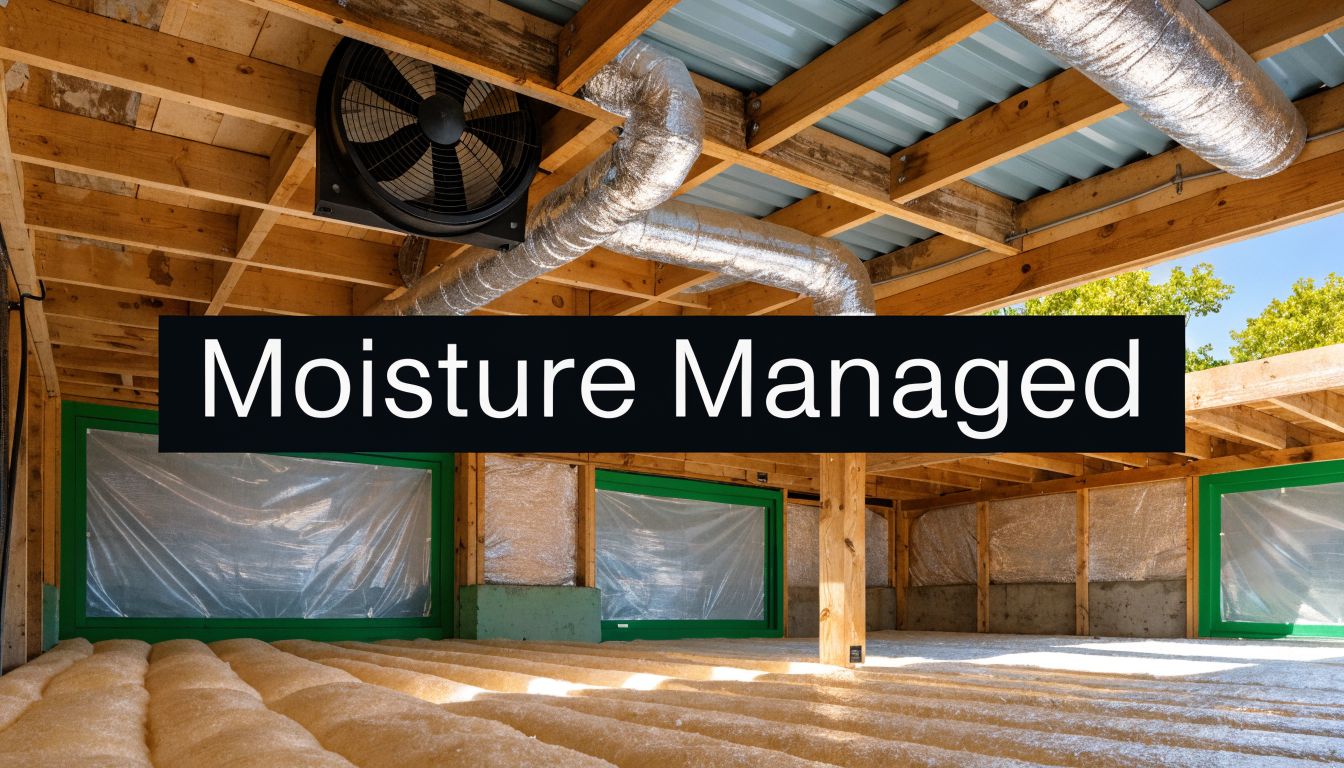
The most overlooked problem is spraying foam onto wood that isn't dry. That can turn a comfort upgrade into a concealed damage issue. Crawl space guidance warns that the subfloor must be completely dry before application because spray foam over damp wood can trap moisture and lead to wood decay, especially in humid climates like Florida, which is why dehumidification and moisture testing matter before installation.
That warning applies to both open-cell and closed-cell products. Foam doesn't fix wet wood. It covers it.
Before floor joists get insulated, the crawl space should be evaluated as a system. That includes the visible framing, but it also includes the conditions causing the moisture load.
A careful pre-job assessment should look at:
For homeowners comparing options, this overview on installing insulation in crawl space areas is helpful because it frames insulation as part of a whole crawl space strategy, not an isolated product decision.
Many online guides get too simplistic; specifically, floor insulation behaves differently depending on whether the crawl space is vented or sealed.
A vented crawl space keeps the floor assembly exposed to outdoor humidity. In that setup, the floor insulation has to do more defensive work because the space below it isn't controlled. Spray foam can perform well here, but only if the wood is dry and the moisture sources are understood.
The trade-off is maintenance visibility. If a future leak happens, batt insulation is easier to remove and replace. Foam is more permanent.
An encapsulated crawl space changes the equation. Once the crawl space is sealed and moisture managed at the walls and ground plane, the need for insulating the subfloor may change. Some assemblies perform better when the crawl space becomes part of the conditioned envelope rather than trying to isolate the floor above it.
That's why the best answer is not always “spray the floor.” Sometimes the better answer is “fix the crawl space strategy first.”
Here's a useful visual on crawl space conditions and installation concerns:
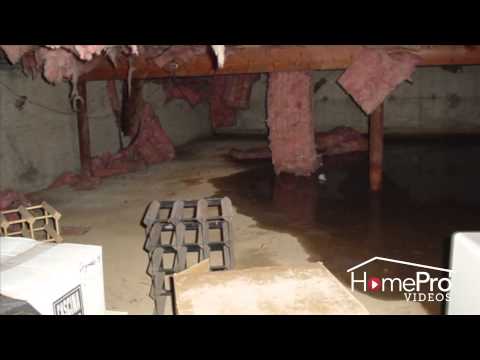
Wet wood, moldy wood, and dirty wood should never be treated as acceptable spray surfaces. If the substrate is wrong, the assembly is wrong.
The houses that get the best long-term result usually follow a simple order. First, identify moisture sources. Second, dry the assembly if needed. Third, decide whether the crawl space should stay vented or move toward encapsulation. Fourth, choose the foam type based on that reality.
That order matters more than any sales pitch about product thickness or brand.
A South Florida floor joist job should start with a moisture meter, not a spray gun. If the underside of the subfloor or the joists are holding too much moisture, spraying foam that day can lock a problem into the assembly instead of fixing it.
Before any equipment comes in, the crew checks access, protects the path through the home, and looks at the crawl space conditions as they exist, not as the estimate assumed. In this climate, that means checking for damp wood, staining, fungal growth, plumbing drips, ground moisture, and signs that humid outdoor air has been moving through the space for a long time.
Then comes surface prep. Loose insulation, dust, dirty wood, and anything else that can interfere with adhesion have to be removed or corrected first. If rim joists are in the scope, they get close attention because that perimeter is where air leakage and condensation problems often show up first.
This is also the point where a good contractor may stop the job. If the wood is wet, the right call is to dry the assembly and fix the moisture source before foam goes on.
Once the substrate is ready, the installer sprays in lifts and builds the foam to the target thickness in a controlled way. The goal is even coverage and solid adhesion across the subfloor, joist sides, rim areas, and other specified edges without creating voids or spraying too thick in one pass.
Good crews do not just fill the easy bays and keep moving. They work the difficult spots, around penetrations, at band boards, and where framing changes direction, because those are the places that decide whether the job performs well or leaves weak points behind.
In South Florida, application conditions matter. Temperature, humidity, and substrate condition affect how the foam reacts. If those conditions are off, the foam can pull away, cure poorly, or hide a moisture problem that should have been handled first.
After curing, excess foam is trimmed only where needed. Then the installer goes back and checks for misses, thin areas, poor adhesion, and spots where tight framing made the spray pattern harder to control.
A proper final review should confirm:
That last point matters more than many homeowners realize. A neat job usually reflects a crew that was paying attention.
In humid climates, the best spray foam install is the one that seals air leaks without burying an active moisture problem.
Floor systems are hard to spray well. The work is overhead, access is tight, visibility is poor, and the margin for error is smaller than it looks in a kit demo.
The installer has to control chemical ratio, lift thickness, substrate condition, and personal safety at the same time. In South Florida, add wet-season humidity and questionable crawl space conditions, and the risk goes up fast. I have seen plenty of failed jobs where the foam itself was not the first problem. The first problem was spraying over damp wood, dirty framing, or a crawl space that should have been fixed before insulation was ever discussed.
Most homeowners start with the same question. What's this going to cost? The honest answer is that the price depends heavily on the house, the crawl space, and the material choice. Accessibility, existing insulation removal, crawl space condition, and whether moisture issues need correction first can all move the number.
That's why low-ball quotes are often misleading. A floor joist job under a clean, dry, accessible home is not the same job as a tight, humid crawl space with old insulation hanging down and signs of moisture trouble.
When contractors build an estimate, the key variables usually include:
The better way to think about floor insulation is lifecycle value. This guide on floor insulation trade-offs notes that in humid climates, spray foam's stronger air sealing and moisture barrier can produce a faster payback through energy savings and avoided mold remediation costs, while batt insulation may need replacement if it gets damp.
That doesn't mean spray foam is automatically the right answer in every crawl space. It means the comparison should be honest. Cheap insulation that gets wet, sags, or has to be replaced isn't always the lower-cost option over time.
| Question | Why it matters |
|---|---|
| Is the crawl space dry enough today? | If not, prep work becomes part of the true project cost |
| Will the insulation be hard to replace later? | More permanent materials demand better upfront decisions |
| Is moisture control the main problem? | If yes, material choice matters more than simple price-per-area comparisons |
| Is the home staying vented below? | The crawl space strategy affects what “best value” really means |
The most common mistake is comparing spray foam to batts as if both are doing the same job. They're not. Batts mainly insulate. Spray foam insulates and air seals, and in some cases adds moisture control. If your house needs those extra functions, a direct apples-to-apples price comparison misses the point.
The second mistake is treating DIY as a shortcut. Under floors, bad application can mean poor adhesion, hidden voids, and a lot of money spent on a result that still doesn't solve the original comfort or moisture problem.
A trained installer works around plumbing and wiring every day. The goal is to seal and insulate the assembly without creating service problems. What matters is access, visibility, and applying the right amount in the right place. Older homes with messy retrofits usually need extra care.
Yes, there can be odor during application and curing. That's normal, which is why professional crews manage ventilation and follow re-entry guidance. If odor is one of your main concerns, this article on spray foam insulation off-gassing gives a practical overview of what to expect.
Properly installed closed-cell spray foam can last the life of the structure, based on the ORNL-backed durability guidance cited earlier in the article. Longevity depends on the foam being installed on the right substrate and in the right assembly. Bad prep shortens the value of any insulation product.
No. Some homes need floor-joist insulation. Others need crawl space moisture correction or a different enclosure strategy first. The right answer depends on how the home is built and what's happening underneath it now.
If the crawl space already smells wet, shows staining, or has visible mold, that needs to be addressed before foam is discussed seriously. Foam should finish a good plan, not hide a bad condition.
If you're in Jupiter, Palm Beach Gardens, West Palm Beach, Wellington, or Stuart and want a straight answer on whether spray foam insulation for floor joists makes sense for your home, contact Airtight Spray Foam Insulation. They can evaluate the crawl space, check for moisture concerns, and recommend the right approach for your floor system instead of pushing a one-size-fits-all fix.