If you're asking should i insulate interior walls, you're probably dealing with a house that never feels quite balanced. The AC runs, but one bedroom stays warmer. The garage wall throws heat into the room beside it. The TV in the family room bleeds straight into a home office. In South Florida, those problems usually aren't random. They're signs that the house is moving heat, air, and noise between spaces too easily.
Interior wall insulation can help a lot. It can make rooms quieter, help separate hot and cool zones, and reduce how hard your HVAC system has to work. But Florida changes the conversation. In a humid climate, the wrong insulation in the wrong wall can hold moisture where you can't see it. That's how a comfort upgrade turns into a mold problem.
That trade-off matters most in homes near Jupiter, Palm Beach Gardens, West Palm Beach, Wellington, and Stuart, where long cooling seasons and heavy humidity punish weak wall assemblies. The best answer isn't always "insulate every interior wall." It's choosing the right walls, the right material, and the right installation method.
A South Florida home can feel comfortable in one room and frustrating in the next. The living room stays cool because the thermostat is nearby, but the bedroom on the west side is warmer by late afternoon. A home office shares a wall with the TV room, so every call picks up background noise. The wall by the garage feels different to the touch because that garage is hot for most of the day.
In a lot of homes, people blame the AC first. Sometimes the AC is part of it. A lot of the time, the bigger issue is that the house isn't separating spaces very well.
Interior walls are usually hollow unless someone chose to insulate them during construction or a remodel. That means heat moves from room to room more easily, and sound does the same. The wall between a conditioned room and a garage, laundry room, or noisy living space often becomes the weak point.
A good way to start is figuring out whether the problem is equipment, air leakage, insulation, or a mix of all three. A proper home energy audit helps identify where the house is losing control, instead of guessing and treating the symptoms.
A room that won't stay comfortable isn't always asking for a bigger AC system. Sometimes it's asking for a better wall.
Interior wall insulation is one of the most overlooked fixes for this. It won't solve every comfort issue by itself, but in the right locations it can change how the home behaves day to day.
The biggest mistake I see is people thinking interior wall insulation is only for sound. Sound is a major benefit, but it isn't the only one. In a South Florida house, interior insulation can improve comfort in three practical ways.
Think of insulation like the material inside a high-end cooler. It slows heat movement. That matters outside the house, but it also matters inside the house when one area gets hotter than the next.
A common example is the wall between an attached garage and a cooled room. Another is a bedroom beside a sun-exposed living area. Poorly insulated walls, including interior partitions, can account for up to 25% of a home's total heat loss, and adding interior wall insulation can lead to energy savings of up to 25% by minimizing thermal bridging and stabilizing indoor temperatures (Reno Quotes).
That benefit isn't just about heating in colder regions. In South Florida, it translates into better cooling control and less temperature drift from one room to another.
Insulation inside a wall cavity works a lot like earmuffs. It absorbs sound energy that would otherwise bounce through a hollow wall. That's why bedrooms, nurseries, home offices, bathrooms, and media rooms benefit so much from it.
A quieter interior also matters when resale is part of the plan. Noise pollution is a top concern for home shoppers today, and improving everyday livability is one of the practical ways owners can raise property value without changing the whole layout.
When rooms hold steadier temperatures, the HVAC system doesn't have to keep correcting the same imbalance. Interior wall insulation helps create more stable zones inside the house. That usually means fewer hot spots, fewer cold spots, and less frustration with thermostat settings.
Here are the three outcomes homeowners usually notice first:
Practical rule: If a wall separates two spaces with different temperatures, different noise levels, or different uses, it deserves a closer look.
Most general articles on interior wall insulation stop at comfort and sound. In South Florida, that's not enough. Moisture is the part that can ruin an otherwise good idea.
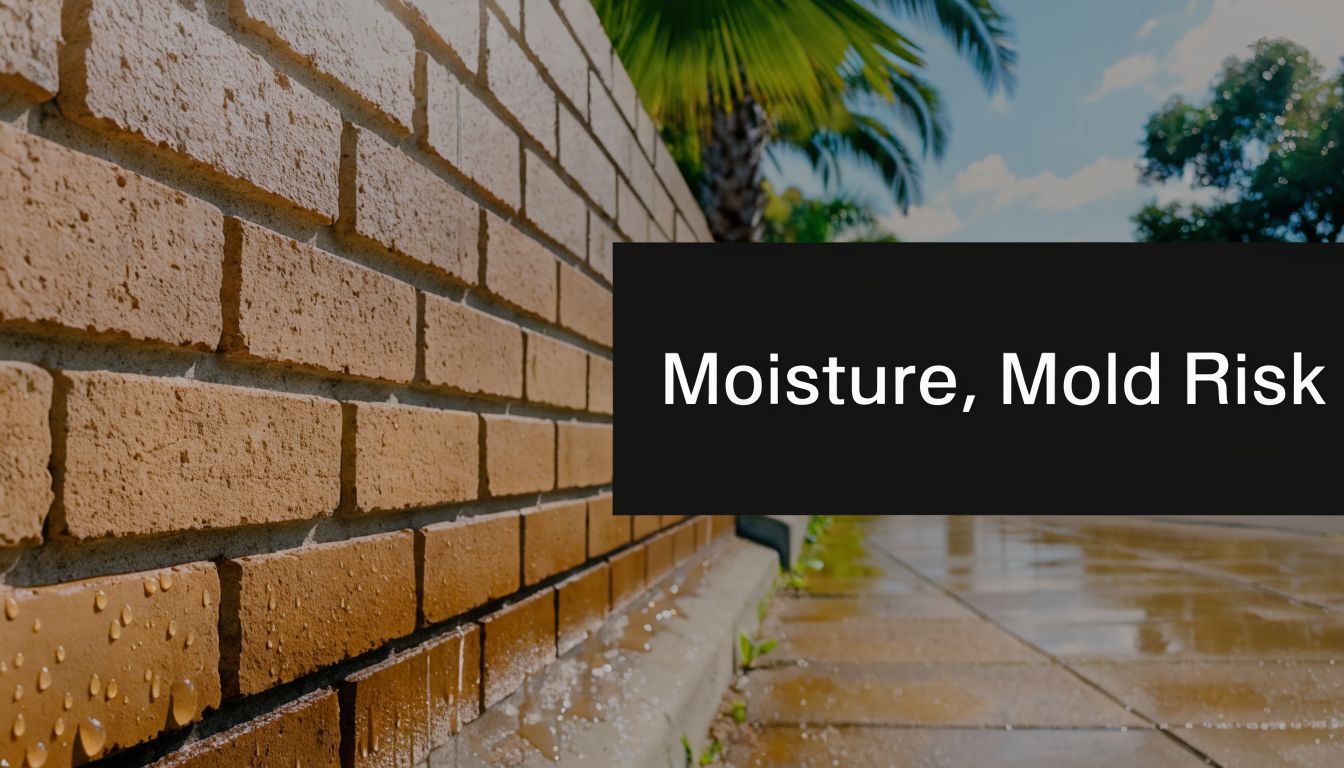
South Florida regularly sees 70-90% humidity, and in those conditions closed-cell spray foam is often recommended because it provides a superior vapor barrier with a perm rating below 1.0, which helps prevent interstitial condensation inside wall assemblies (Rmax).
That matters because moisture doesn't need a roof leak to cause trouble. Warm, humid air can move through drywall, around outlet boxes, and through small wall penetrations. If that moisture reaches a cooler surface inside the wall, it can condense. Once that happens repeatedly, mold has what it needs.
Fiberglass and other fibrous products can perform well in the right assembly, but they don't air seal on their own. If humid air keeps moving through the wall, the insulation can end up sitting in a damp environment. That's the part many homeowners never see until there's staining, odor, or a musty room.
Some interior walls are much riskier than others in this climate. The ones I pay the most attention to are:
If there's already a musty smell, staining, or concern about hidden growth, get that checked before insulating over the problem. In cases where moisture history is unclear, a good inspection matters more than a fast install. Homeowners who want a baseline can look at what professional mold inspections typically include so they understand what to ask for locally.
A short visual on moisture behavior helps make this clearer:
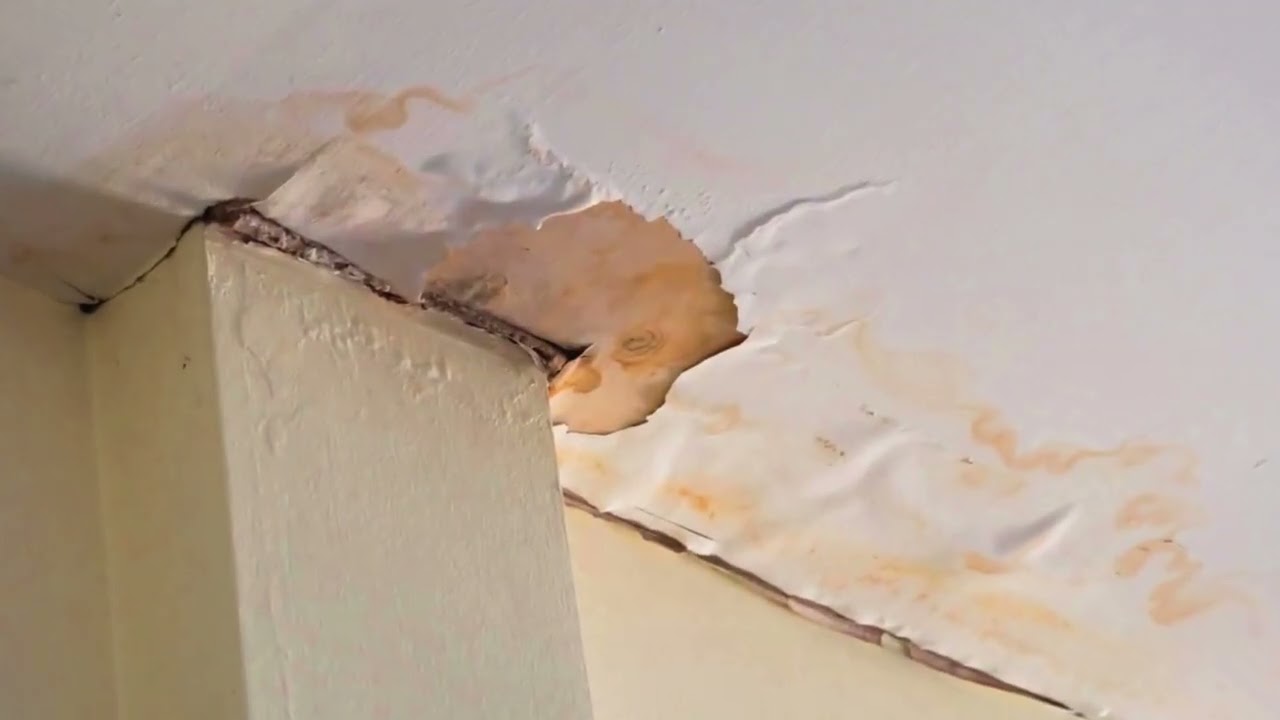
If the wall can't control humid air, adding insulation alone won't save it.
Closed-cell spray foam stands out in humid regions because it doesn't just insulate. It also helps block air movement and moisture drive in a way batt insulation doesn't. That's why it's usually the premium choice when the wall separates conditioned living space from a hotter, more humid zone.
The key is not just installing insulation, but building a wall that manages both temperature and moisture. In South Florida, that difference decides whether the upgrade lasts.
Not every insulation material solves the same problem. Some are mainly about sound. Some are mainly about thermal value. Some help with moisture. In South Florida, those priorities don't carry equal weight.
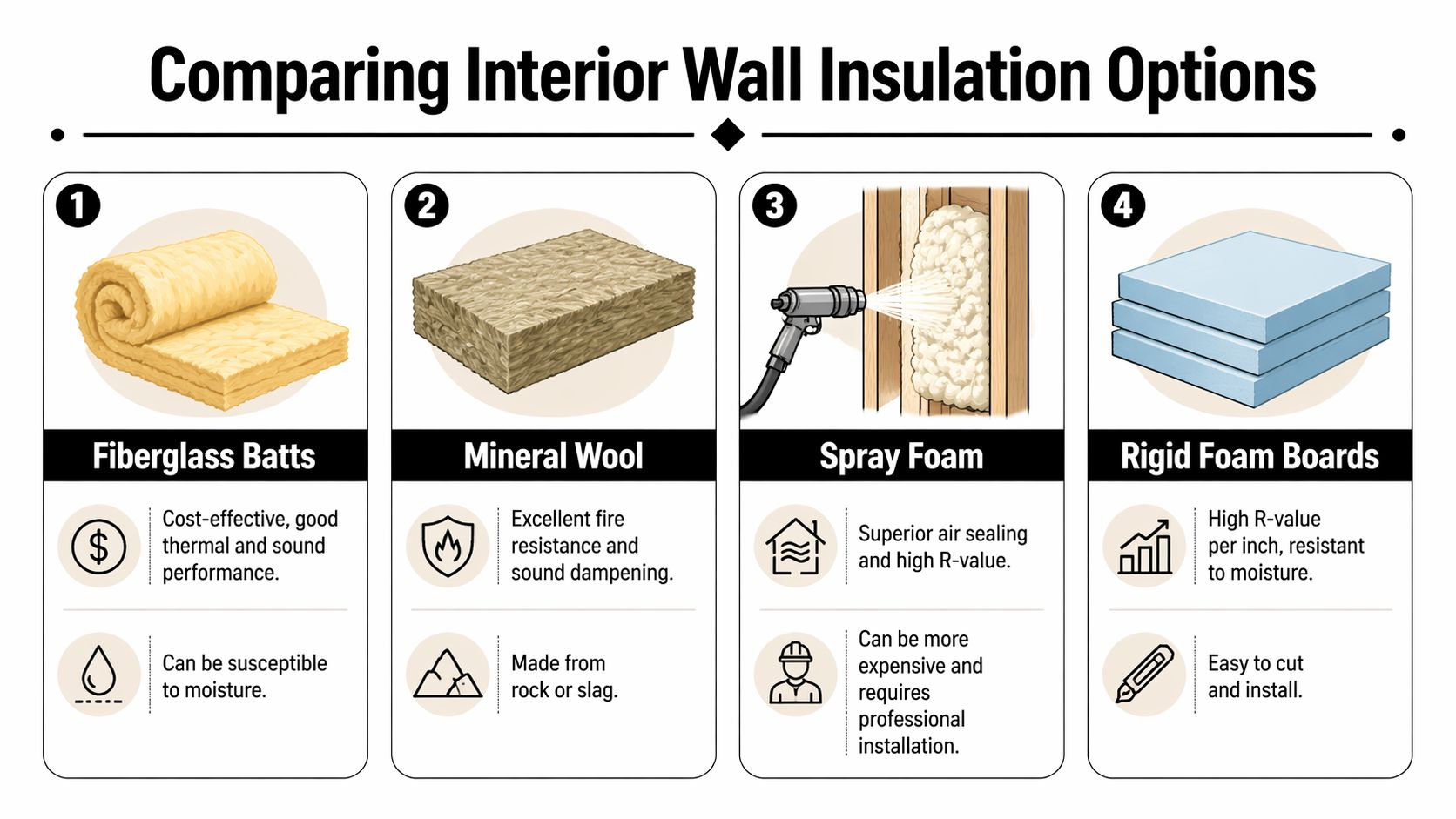
Closed-cell spray foam delivers the strongest all-around performance for interior walls that face heat and humidity. It achieves an R-value of 6.0-6.5 per inch and outperforms fiberglass at R-3.1-4.3 per inch and cellulose at R-3.2-3.8 per inch in thermal and moisture resistance per inch (Mr. Handyman).
Here's the practical comparison:
| Material | Best use | Strengths | Trade-offs |
|---|---|---|---|
| Closed-cell spray foam | Garage walls, workshop walls, moisture-sensitive partitions | High R-value per inch, air sealing, strong moisture resistance, rigid structure for vibration dampening | Higher cost, pro installation required |
| Open-cell spray foam | Sound-focused interior partitions in lower-risk moisture areas | Good cavity fill, useful sound control, flexible for wall cavities | Not the same vapor resistance as closed-cell |
| Fiberglass batts | Budget-focused sound and thermal upgrades in standard interior walls | Lower upfront cost, widely available, familiar to builders | Doesn't air seal by itself, more vulnerable if moisture moves through the wall |
| Blown-in fiberglass or cellulose | Retrofit situations with limited wall opening | Can be added with less demolition in some projects | Results depend heavily on access, density, and moisture conditions |
| Rigid foam boards | Select assemblies where board application makes sense | Strong R-value per inch, moisture resistance | Less adaptable inside standard stud bays and around irregular penetrations |
In drier climates, fiberglass can be perfectly reasonable in many interior walls. In South Florida, I weigh moisture control more heavily. If a wall is next to a garage, mechanical area, metal building, or any space with temperature swings, closed-cell spray foam usually makes more sense.
Open-cell spray foam still has a place. It can be useful where sound control is the main target and the wall isn't carrying the same moisture risk. For simple bedroom-to-bedroom partitions, the right batt product can also be enough if the priority is acoustic separation.
For a deeper material-by-material breakdown, this comparison of foam versus fiberglass insulation is worth reviewing before you price the project.
Cheap insulation can still be expensive if the wall needs air control and doesn't get it.
Homeowners often compare insulation by R-value alone. That misses the bigger picture. In interior walls, you also need to ask:
The right answer changes from wall to wall. That's normal.
Not every interior wall deserves insulation. The best returns come from the walls that separate unlike spaces.
In South Florida, the wall between an attached garage and the living area is one of the most valuable places to upgrade. Garages heat up hard, hold humidity, and often leak air around penetrations. If the room beside the garage is always harder to cool, this wall is a prime suspect.
For that application, closed-cell spray foam usually makes the most sense because the goal isn't just thermal control. It's also limiting humid air movement from the garage side.
A home office, nursery, or bedroom next to an active living area is another strong candidate. In these locations, the homeowner usually notices the change quickly because noise is immediate and personal. A shared wall with a bathroom or laundry room can also be worth insulating just to cut plumbing and appliance sound.
Condos, townhomes, duplexes, and small multifamily properties often benefit even more than single-family homes. Shared walls between units can be weak points for noise and comfort complaints. Property managers also tend to care about durability, tenant satisfaction, and fewer comfort calls.
Walls that often justify the investment include:
A simple way to think about it is this. If a wall separates two areas that live differently, that wall may need more than drywall and empty air.
If you're still asking should i insulate interior walls, the answer depends on what problem you're trying to solve. Use this checklist to get clear before you spend money.
Start with the basic question. Is the wall mostly a noise problem, a temperature problem, or both?
If it's mainly sound between bedrooms, an office, or a TV room, several insulation types can help. If it's a garage wall or another wall beside a humid unconditioned area, moisture control jumps to the top of the list.
A wall's location often tells you more than the room name. Ask yourself:
If the project is a retrofit, access matters. If the wall is already open, your options are wider and the installation usually goes more smoothly.
For many South Florida homeowners, spray foam installation costs around $2-4 per square foot for a typical interior wall, with energy savings of $200-400 annually and a payback period of 5-6 years, not counting added comfort and sound reduction (Builder Brigade).
That doesn't mean every wall pays back the same way. A bedroom partition chosen only for sound may justify itself more through comfort than utility savings. A garage-adjacent wall can do both.
Use this quick decision guide:
The best interior insulation plan usually isn't "do every wall." It's "do the right walls for the right reason."
Some insulation jobs are homeowner-friendly. Spray foam isn't one of them. The material, mixing, application, safety controls, and curing process all require trained installation. In Florida, where moisture behavior matters, bad spray foam work can create expensive problems instead of solving them.
That doesn't mean every contractor is equal. You want someone who understands local humidity, common wall conditions in South Florida homes, and how to treat garage walls, masonry transitions, penetrations, and retrofit access points correctly.
When you're interviewing installers, ask direct questions:
If the answers are vague, keep looking. A qualified contractor should be able to explain the reasoning behind the material, not just give a price.
For homeowners comparing local specialists, it's smart to start with established spray foam insulation contractors who already work in the South Florida environment. Experience matters more here than it does in milder, drier markets.
I also tell people this. If you're considering batts in a standard interior partition for sound only, DIY can be realistic during a remodel. If you're considering spray foam for a garage wall, workshop wall, or any wall where moisture control matters, hire a pro.
Yes. In many homes, one wall gives you most of the benefit. The garage wall beside a bedroom, the wall between a home office and living room, or the bathroom wall behind a bed are common examples. You don't have to insulate the whole house to feel a difference.
It can, especially when the upgrade creates a quieter, more comfortable home. Noise pollution is a top concern for home shoppers today, and a quieter home created through cavity insulation can be a meaningful selling point, especially in dense neighborhoods and multifamily settings (Insulation Institute).
That depends on the wall and the material. If walls are already open during renovation, disruption is modest. If they're finished, some retrofit methods need selective opening and repair. The cleaner projects are usually the ones planned before other interior work begins.
When it's installed correctly by trained professionals and allowed to cure properly, it's used widely in residential and commercial buildings. The key is proper application, ventilation during installation, and following the installer's re-entry guidance. This is another reason spray foam isn't a casual DIY product.
They choose a material based only on price or only on R-value. In South Florida, the wall's moisture exposure matters just as much. A wall beside a humid garage needs a different strategy than a wall between two conditioned bedrooms.
If you're weighing whether interior wall insulation is worth it in your South Florida home, talk with Airtight Spray Foam Insulation. Their team serves Jupiter, Palm Beach Gardens, West Palm Beach, Wellington, and Stuart with spray foam solutions built for local heat, humidity, sound control, and long-term comfort.