Blog
Open Cell Spray Foam Insulation: Moisture permeability in humid climates

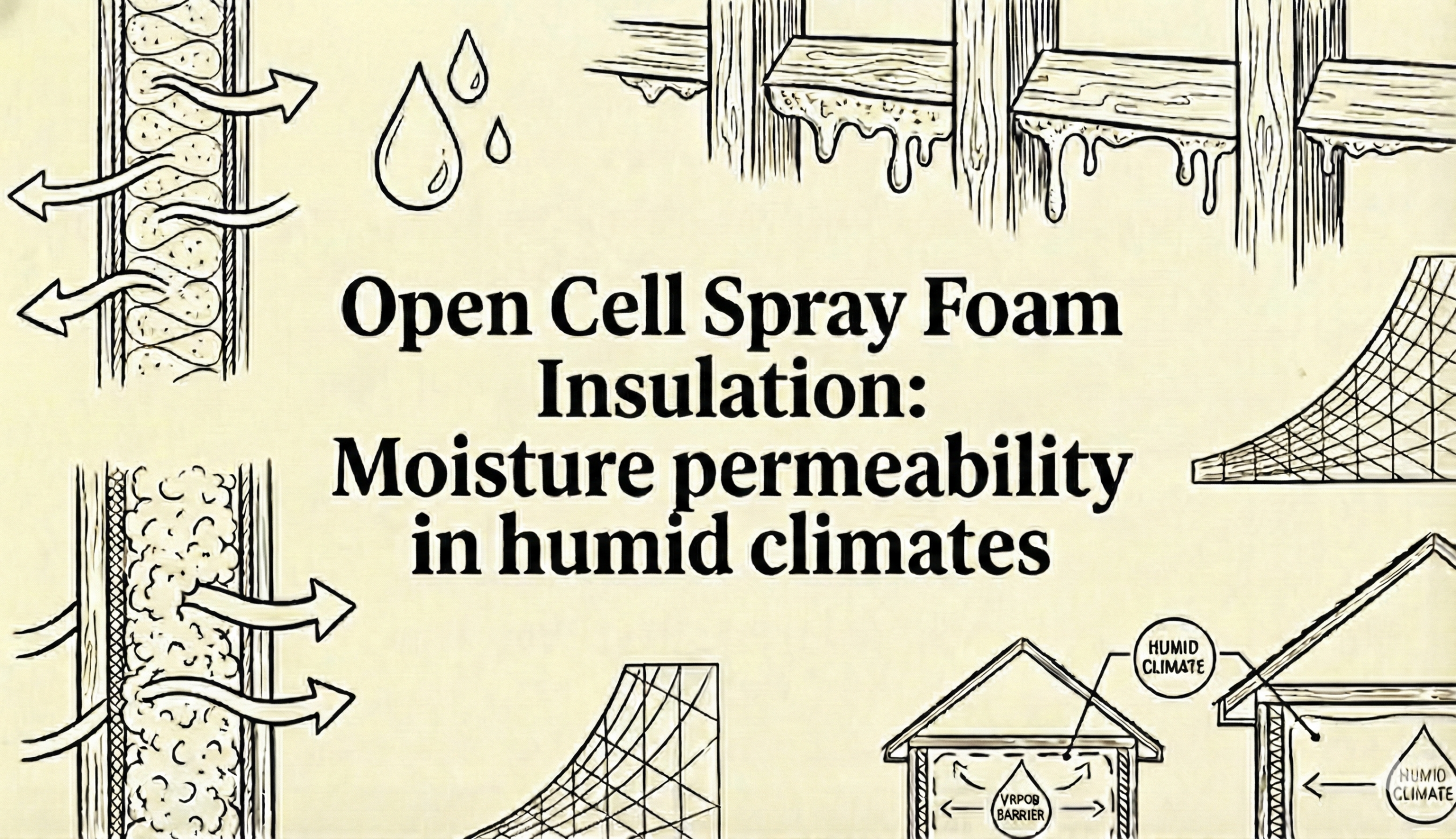
Living in Jupiter, FL brings beautiful ocean views and warm sunny weather to families every single day. The local climate also brings intense high heat and thick coastal humidity year-round. The heavy moisture floating in the air creates a tough environment for residential houses and commercial buildings. Property owners must make very smart decisions about building materials to maintain indoor comfort and structural integrity. Good materials keep the inside of a house perfectly cool and dry. Strong materials protect the hidden wooden bones of the building from rotting away. This article examines open cell spray foam insulation. The exact focus of this guide is examining how open cell spray foam insulation interacts with water vapor and humid air.
The team at Airtight Spray Foam Insulation knows the local Palm Beach County weather patterns deeply. A house needs the exact right protection to block the intense summer heat. The house must also handle the heavy moisture pouring in from the nearby ocean. Imagine waking up in July in South Florida. The air feels incredibly heavy the moment a front door opens. The air conditioner runs all day long to keep the living room cool. The exterior walls of the house fight a constant daily battle against the hot, wet air outside. Choosing the correct thermal barrier makes a massive difference for creating a peaceful, dry living space inside the home. Poor material choices leave a house feeling sticky and uncomfortable. Excellent material choices create a quiet, cool sanctuary away from the harsh Florida sun.
What is Open Cell Spray Foam Insulation?
Open cell spray foam insulation is a type of polyurethane building material. The cells within the foam remain partially open during application, creating a flexible, sponge-like structure. This pliable material expands rapidly to fill cavities, creating an air barrier while remaining vapor permeable.
The application process happens directly inside residential wall cavities and along bare wooden roof decks. A trained insulation technician uses a special heated hose to spray warm liquid chemicals onto the drywall and wood. The liquid hits the solid surface and grows incredibly fast. The material puffs up massively to fill every single tiny crack, gap, and empty space. Airtight Spray Foam Insulation applies this expanding material to stop hot drafts and completely seal the building envelope. The installation process requires special protective gear and heavy equipment parked outside the house. The entire process finishes quickly, leaving a solid barrier behind the walls.
After the foam fully cures and dries, it feels very soft to the touch. The physical properties of the cured material include a soft, flexible, and lightweight nature. The texture strongly resembles a dense kitchen sponge or a soft couch cushion. The extreme lightness means the material adds almost zero weight stress to the wooden frame of a house. The soft nature allows the foam to move slightly. Houses naturally settle into the dirt over time. Wooden frames shift during strong coastal winds. The flexible foam stretches and bends right along with the moving house. The material never cracks or breaks during these natural movements. Homeowners often feel surprised when they touch the cured foam. People expect a hard, rigid plastic. They find a material that easily yields to a simple push of a single finger. This softness is a highly planned design feature. The flexibility protects the airtight seal for the entire life of the building.
How Does Moisture Permeability Work?
Vapor permeability is the exact rate at which invisible water vapor passes through a solid material. A higher rate means more water vapor moves easily through the object. A lower rate means less water vapor moves through the object.
List of Permeability Factors in Florida:
- Vapor pressure differences between air-conditioned interiors and hot, humid exteriors.
- The material’s perm rating.
- The thickness of the applied insulation layer.
Houses in Jupiter face intense vapor pressure every single day. The cold, dry air sitting inside the house constantly pulls the hot, wet air from the outside environment. The wet outside air wants to push straight through the solid walls. The concept of “breathability” in building envelopes means a house can let this trapped water vapor safely escape. A breathable wall never holds onto the water. The breathable wall lets the water vapor pass completely through without turning into dangerous liquid water drops.
Drying potential matters deeply in coastal environments like Palm Beach County. A house will eventually get wet. A heavy summer rainstorm might push water behind the exterior siding. High humidity might cause a tiny bit of condensation hidden behind a bathroom wall. The building must have the natural ability to dry out. The wooden frame will rot quickly if the walls cannot dry. Wood rot destroys homes and ruins property values. Open cell foam allows the wooden frame to breathe and dry naturally. Building experts agree that trapping water inside a sealed wall creates a massive disaster. A house must have a clear path to dry itself. This natural, continuous drying process saves houses from hidden decay. Homeowners sleep better knowing the walls can handle a little bit of unexpected moisture.
Does Open Cell Spray Foam Trap Moisture?
Does open cell spray foam trap moisture? No, it allows water vapor to pass through.
The material acts as a semi-permeable boundary. A semi-permeable boundary works exactly like a very fine net. The net catches large things but lets tiny things flow freely. In a typical house, the foam stops the heavy, hot air from blowing inside. The foam completely catches the draft. The tiny water vapor molecules are small enough to pass right through the open cells. The mechanics of this boundary protect the house from heat but allow the house to breathe.
The open cellular structure permits water vapor to diffuse without accumulating within the cavity. Diffusion is the slow, gentle spread of vapor. The invisible vapor moves slowly through the soft sponge layers. The vapor never gets stuck inside the foam. The foam never acts like a kitchen sponge soaking up a liquid spill. The vapor just drifts through the material and exits the wall completely.
A huge difference exists between a liquid water leak and ambient water vapor transmission. A broken roof leak drops actual liquid water onto the bedroom ceiling. Water vapor is an invisible gas floating in the air. Spray foam insulation deals exclusively with the invisible gas. A broken roof requires a professional roofer to fix the broken shingles. Airtight Spray Foam Insulation reminds all property owners that no insulation can fix a broken roof. The insulation only manages the invisible humidity floating in the surrounding air. Many people confuse humidity with liquid water. Think of humidity like the thick steam coming from a hot shower. The open foam lets the steam clear out instead of trapping it against the sensitive drywall. Understanding this difference helps property owners make smart choices about house maintenance.
Open Cell vs. Closed Cell Insulation in Jupiter, FL
A clear comparison helps property owners choose the exact right product for a specific building project. Understanding the exact differences between the two main types of spray foam makes choosing much easier.
- Structure: Open cell insulation features a porous, open cellular structure. Closed cell insulation features a rigid structure made of tightly packed cells.
- Vapor Permeability: The open cell product offers high permeability, allowing water vapor to pass through freely. The closed cell product offers low permeability, acting as a strict vapor retarder.
- Density: Open cell foam has a much lower density, making it very light and soft. Closed cell foam has a higher density, making it very heavy and hard.
- Application: Installers typically place open cell foam inside interior walls and unvented attics. Installers place closed cell foam in exterior applications and below-grade foundation areas.
Both materials work incredibly well. The two materials serve very different building purposes. The flexibility of the open cell product accommodates the natural expansion and contraction of wooden roof trusses. Jupiter experiences extreme summer heat from May through October. A typical roof gets incredibly hot under the baking afternoon sun. The intense heat makes the wooden beams grow and stretch. At night, the sun goes down and the wood cools off. The cooling wood shrinks back to normal size.
The soft, flexible open cell foam stretches and shrinks right along with the moving wood. The foam never cracks. The foam never breaks away from the wooden beams. The rigid closed cell foam might pull away from the wood during this daily stretching process. The flexible nature of the open cell material creates a permanent airtight seal. This seal lasts for the entire life of the building. The open cell option provides a fantastic solution for the constant temperature swings found inside a Florida attic.
Frequently Asked Questions About Humid Climate Insulation
Can mold grow on open cell spray foam?
The chemical composition of polyurethane contains absolutely zero biological material. The foam is a completely manufactured plastic product. Mold requires three exact things to grow and spread: liquid water, warm temperatures, and an organic food source. The foam provides zero organic food for the hungry mold. Mold cannot eat plastic material. The absolute lack of organic food sources within the foam stops mold proliferation instantly. A house might get very humid. The mold will never feed on the foam itself.
Property owners must note the requirement of fixing active roof leaks to prevent moisture accumulation on adjacent wooden framing. The mold will eat the wooden beams if a roof leak keeps the wood soaking wet. The insulation cannot protect the bare wood from a direct rain leak. Always inspect a dark attic after a major tropical storm passes through town. Finding a tiny roof leak early prevents major wood damage down the road. Airtight Spray Foam Insulation always suggests a quick visual check of the roof deck during the busy hurricane season. A dry piece of wood stays safe from mold.
Do I need a vapor barrier with open cell foam in South Florida?
Building codes dictate exactly how a house must be built to stay safe. Local building code requirements exist for Climate Zone 2. Jupiter, FL sits right inside Climate Zone 2. The building rules for this hot, humid zone differ greatly from the rules in cold, snowy northern states.
The direction of vapor drive impacts vapor barrier placement decisions. Vapor drive is the exact direction the wet air wants to move. In South Florida, the hot, wet air sits outside the house. The cold, dry air sits inside the air-conditioned rooms. The vapor drive constantly moves from the outside to the inside. Placing a thick plastic vapor barrier on the inside wall of a Florida house creates a total disaster. The water vapor moves through the exterior wall from the outside. The vapor hits the plastic barrier. The vapor turns into liquid water inside the wall cavity. The hidden wall will rot. Building experts usually avoid interior vapor barriers in South Florida. The open foam lets the vapor move safely through the entire assembly without creating a wet trap.
Does roof design affect insulation choices?
Roof design completely changes how a house handles daily heat. Great differences exist between vented and unvented attic assemblies. A vented attic has open holes and vents. The vents let outside air blow freely through the dark attic space. A vented attic gets incredibly hot. An unvented attic is completely sealed tight like a plastic cooler.
Applying insulation directly to the underside of the roof deck brings the attic space into the conditioned thermal envelope. The thermal envelope is the protected, climate-controlled zone of the entire house. Spraying the foam under the solid roof deck completely changes the attic environment. The attic stays within a few degrees of the main living room temperature. The air conditioning ducts located in the attic no longer sit in a dangerous 130-degree oven. The entire house runs easier. The cooling machinery runs less often. Anyone who has climbed into a Jupiter attic in August knows the crushing, terrible heat. Sealing the attic turns that unbearable oven into a normal, usable storage space. The difference feels amazing to a tired homeowner.
Next Steps for Jupiter Property Owners
A property represents a huge building project. Protecting that massive project requires very careful planning and expert knowledge. Property owners should consult with licensed contractors familiar with Palm Beach County building codes. Local experts understand the unique daily challenges of the harsh coastal weather patterns. The wrong material choice leads to major repairs down the road.
Experts suggest scheduling an energy audit or property inspection to assess current thermal envelope performance. An inspection reveals hidden hot drafts. The inspection shows missing insulation sections. The audit points out specific areas where hot air constantly leaks into the cool living space. Knowing the exact current condition of the house allows for very smart upgrade decisions.
Contact a local Jupiter insulation specialist to evaluate your property’s specific layout and climate control needs. The friendly team at Airtight Spray Foam Insulation remains ready to answer questions about protecting homes from the harsh Florida weather. A proper evaluation provides deep peace of mind. A careful inspection creates a clear path to a much more comfortable living space. Let the true experts measure the empty spaces. Let the trained team check the current building materials. The specialists will suggest a clear, safe path forward for the property.