Blog
Choosing the Right Insulation for Metal Building Roofs

When it comes to the best insulation for a metal building roof, I almost always point people to closed-cell spray foam. Why? Because it’s a true all-in-one solution: it stops heat, blocks air leaks, and creates a powerful moisture barrier. For the unique challenges of metal buildings—especially here in the humidity of South Florida—that combination is non-negotiable.
Why Your Metal Building Needs the Right Insulation
Putting up a metal building without insulation is like leaving the job half-finished. Seriously. It’s like heading out into a Florida downpour without an umbrella—you’re completely exposed to whatever the weather throws at you. Those steel panels are incredibly conductive, making your building a sitting duck for environmental extremes and creating a list of problems that only proper insulation can solve.
Without that thermal barrier, your metal roof turns into a giant skillet under the South Florida sun. It soaks up all that intense heat and radiates it straight down into your warehouse, workshop, or commercial space, turning it into a sweltering oven. Not only is it miserable to work in, but your cooling costs will go through the roof.
The Core Challenges of Uninsulated Metal
Heat is just the beginning. Two other massive issues plague unprotected metal buildings: condensation and noise. These aren’t just annoyances; they can damage your building, ruin your inventory, and create a truly awful work environment.
Here’s a quick overview of the top issues we see and how the right insulation system solves them.
Common Problems With Uninsulated Metal Roofs and How Insulation Solves Them
| Common Problem | How Insulation Solves It |
|---|---|
| Uncontrolled Condensation | Creates a barrier that prevents warm, moist indoor air from contacting the cool metal surface, stopping "building sweat" in its tracks. |
| Extreme Heat Gain | Blocks the transfer of solar heat through the roof, keeping the interior significantly cooler and reducing HVAC load. |
| Disruptive Rain Noise | The foam's density absorbs the sound of heavy rain, dampening the deafening "drumming" effect on the metal panels. |
| Sky-High Energy Bills | By preventing heat gain in summer and heat loss in winter, it dramatically reduces the energy needed to maintain a stable temperature. |
| Thermal Bridging | A seamless layer of spray foam covers the metal framing, eliminating the "superhighways" that allow heat to bypass traditional insulation. |
As you can see, these problems all stem from the conductive nature of metal and are best solved with a continuous, high-performance barrier.
Thermal Bridging: The Hidden Energy Thief
One of the sneakiest culprits of energy waste is a little concept called thermal bridging. Think about the metal frame of your building—all those purlins, girts, and beams. They act like superhighways for heat, creating a direct path from the outside to the inside. This allows heat to completely bypass any standard insulation you just lay between the framing.
The only real way to stop thermal bridging is to install an insulation system that creates a continuous, unbroken shield. Something like spray foam completely covers everything, effectively isolating your interior space from the temperature swings outside and giving you consistent climate control.
The numbers don't lie. In hot climates, an uninsulated metal roof can be responsible for 25% to 35% of a building's total heat gain. It’s no surprise that the market for things like insulated metal roof panels is set to hit US$2.60 billion by 2031. People are realizing just how critical a high-performance building envelope is. You can read more about the insulated metal roof panels market to see how the industry is shifting.
Tackling these challenges isn't just about being comfortable; it's about protecting your investment and making sure your building actually works the way it was designed to.
Comparing Your Top Metal Roof Insulation Options
Choosing the right insulation for your metal building can feel a little overwhelming. You're faced with a lot of technical specs and competing claims. But when you get right down to it, the choice really boils down to a few key players.
Each option gives you a different mix of performance, cost, and suitability for handling the unique challenges a metal structure throws at you.
Let's break down the main contenders: spray foam, fiberglass batts, and rigid foam boards. We'll look at how each one actually performs out in the real world—not just on a spec sheet. The goal here is to give you a clear, practical understanding of which material is the right fit for your building.
This quick flowchart shows the three biggest headaches that the right insulation solves head-on: brutal heat gain, frustrating condensation drips, and noise.

As you can see, leaving a metal roof uninsulated opens it up to a whole host of problems that can damage the structure and whatever you're storing inside. This makes insulation a foundational fix, not just an optional upgrade.
H3: Spray Foam Insulation: The All-In-One Defender
Spray polyurethane foam (SPF) is hands-down the premium choice, especially for a demanding climate like ours in South Florida. It’s applied as a liquid that expands on contact, filling every single crack, seam, and tiny gap. This creates a seamless, solid barrier that is completely unique to spray foam.
Think of it this way: traditional insulation is like laying a blanket over your roof's framework, leaving gaps. Spray foam is like having that framework encased in a custom-molded, airtight cooler. It doesn't just slow heat transfer; it completely air-seals the building.
This single, continuous layer is a game-changer. It stops thermal bridging through the metal purlins and provides an unbeatable defense against air and moisture getting in. It’s a powerful, multi-purpose solution that knocks out several problems at once.
That airtight seal is the key to preventing condensation and getting the most out of your energy savings. While there are a couple of types, closed-cell spray foam is the superior option for metal roofs because of its rigid structure and powerful moisture-blocking abilities.
H3: Fiberglass Batts: The Traditional Budget Option
Fiberglass is probably the most common and affordable insulation you'll see. It comes in pre-cut rolls or "batts" that you fit between the roof's framing. The idea is that it traps pockets of air in its fibers to slow down heat transfer.
But while the low upfront cost is tempting, fiberglass has some serious drawbacks in a metal building. It's basically a sponge for moisture, which absolutely kills its insulating power—its R-value can plummet by over 40% when it gets damp.
Worse yet, it doesn't create an air seal. This means warm, humid air can still sneak right through it, hit the cold metal roof deck, and create condensation. Over time, that trapped moisture leads to mold, rust, and soggy, sagging insulation.
H3: Rigid Foam Boards: The Sturdy DIY Contender
Rigid foam boards are another go-to, especially for DIY projects. Made from materials like polystyrene, these boards pack a high R-value into a thin profile and are naturally resistant to moisture. They're also lightweight and fairly easy to handle and cut.
The biggest challenge with rigid boards, however, is getting a perfect seal. Every single seam between the boards, and every screw or fastener that goes through them, creates a potential pathway for air and moisture to leak.
To get it right, you have to be meticulous with taping and sealing every joint to create a decent air and vapor barrier. It’s a labor-intensive process, and even small installation mistakes can completely undermine its performance. You can see how this compares to other methods in our detailed breakdown of spray foam vs. blown-in insulation, which gets into the nitty-gritty of creating a complete thermal seal.
A Head-to-Head Comparison of Metal Building Insulation
To make things even clearer, let's put these options side-by-side. This table breaks down the key features of spray foam, fiberglass, and rigid board to help you make an informed decision for your metal roof.
| Insulation Type | Typical R-Value (per inch) | Air Barrier? | Moisture Barrier? | Best For | Key Drawback |
|---|---|---|---|---|---|
| Closed-Cell Spray Foam | R-6.5 to R-7.0 | Yes (Excellent) | Yes (Excellent) | Ultimate performance, condensation control, and durability. | Higher initial investment. |
| Fiberglass Batts | R-3.1 to R-3.7 | No | No (Requires separate vapor barrier) | Budget-conscious projects in very dry climates. | Poor moisture resistance and prone to air leaks. |
| Rigid Foam Boards | R-4.0 to R-6.5 | No (Requires extensive sealing) | Yes (Good) | DIY projects where moisture resistance is key. | Difficult to achieve a perfect airtight seal. |
When all is said and done, fiberglass and rigid boards can work in certain situations. But for a truly robust, long-term solution that protects a metal building from heat, moisture, and air leaks, spray foam is in a class of its own.
Understanding Open-Cell vs. Closed-Cell Spray Foam
When you start looking into spray foam, you quickly realize not all foams are created equal. The two big players, open-cell and closed-cell, might look similar coming out of the hose, but how they perform is night and day. Getting this difference is absolutely critical to choosing the right insulation for a metal building roof.
Let's use an analogy. Think of two different types of sponges. One is that soft, squishy sponge you use in the kitchen, full of tiny, connected air pockets. The other is more like a dense, stiff block of floral foam used for flower arrangements. That simple picture perfectly captures the core difference between open-cell and closed-cell spray foam.
That soft, squishy kitchen sponge? That’s open-cell spray foam. Its internal structure is deliberately left "open," which creates a light, flexible, almost fluffy material. This makes it a fantastic sound dampener—it just soaks up noise.
The Structure of Open-Cell Foam
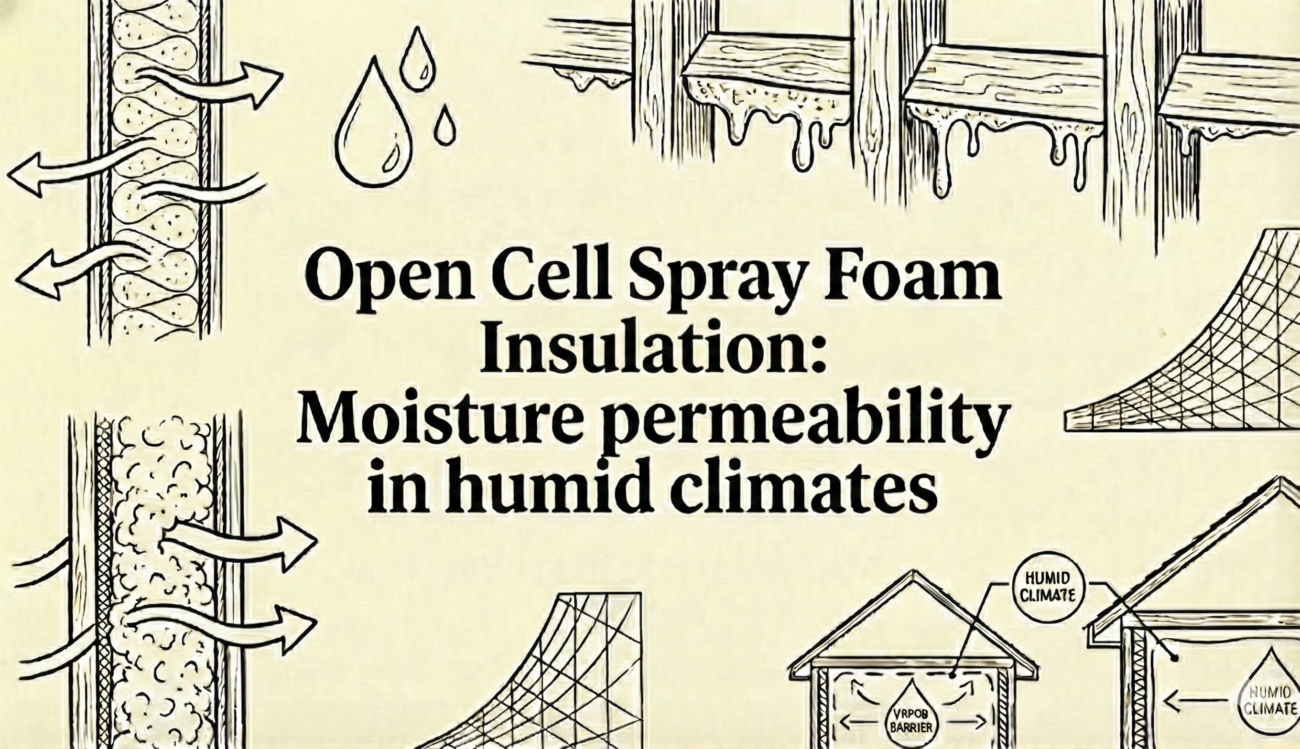
Because its cells aren't totally sealed, open-cell foam is vapor-permeable. In plain English, that means water vapor can pass right through it. While this "breathing" ability can be a good thing in certain wall systems, it’s a huge red flag for a metal roof, especially here in South Florida's humidity. Its sponge-like quality means it can actually absorb and hold onto water, which is the last thing you want touching a metal surface that’s prone to rust.
- R-Value: It usually provides an R-value of about R-3.5 to R-3.8 per inch.
- Density: It’s very light, weighing around 0.5 pounds per cubic foot.
- Air Barrier: It does a great job as an air barrier, stopping drafts and air leaks.
- Moisture: Critically, it is not a moisture barrier and can get soaked if it's exposed to water.
Even though it's more affordable, the risk of it turning into a wet sponge against your roof deck makes open-cell a poor choice for direct application to metal. To see where it does shine, you can check out our guide on open-cell spray foam insulation in Palm Beach. Now, let's talk about its tougher sibling.
Closed-Cell Foam: The Metal Roof Champion
Going back to our analogy, closed-cell spray foam is that dense, rigid block of floral foam. Its cells are completely sealed off from each other, creating a tight, compact structure filled with a special insulating gas. This structure is the secret sauce behind its incredible performance.
This rigid makeup makes closed-cell foam unbelievably strong and dense. When it's applied, it cures into a hard, solid material that actually adds significant structural strength to the building itself—a massive plus for any metal structure.
The most important part is that its sealed cell structure makes it a true all-in-one powerhouse. It's a top-tier thermal insulator, a complete air barrier, and a powerful vapor barrier, all in one shot. This is exactly what a metal roof needs to fight heat, air leaks, and condensation all at once.
For a metal roof, this is a non-negotiable advantage. Closed-cell foam forms an impenetrable shield that stops warm, humid air from inside the building from ever touching the colder metal roof deck. It cuts off condensation before it even has a chance to form.
A Clear Comparison: Open-Cell vs. Closed-Cell
| Feature | Open-Cell Spray Foam | Closed-Cell Spray Foam |
|---|---|---|
| Cell Structure | Interconnected and "open" | Tightly packed and sealed |
| R-Value Per Inch | R-3.5 to R-3.8 | R-6.5 to R-7.0 |
| Moisture Barrier | No (Vapor Permeable) | Yes (Vapor Impermeable) |
| Structural Strength | No (Flexible and soft) | Yes (Adds rigidity) |
| Ideal Application | Interior walls, soundproofing | Metal roofs, foundations, high-moisture areas |
Why R-Value and Moisture Resistance Matter Most
Your roof is the building's first line of defense against the elements, and that's doubly true under the intense Florida sun. In fact, research shows the roof accounts for the biggest piece of the global building insulation market, driven by the need to block heat gain. For buildings in the southern U.S., a poorly insulated metal roof can jack up cooling costs by a shocking 20% to 40%. This reality has owners demanding high R-value materials like closed-cell spray foam.
This is where the high R-value of closed-cell foam—nearly double that of open-cell—really pays off. You get a much higher level of thermal resistance with less thickness, which means you save precious headroom inside your building.
Better yet, its built-in moisture barrier simplifies the whole process and erases the risk of water damage that plagues other insulation types like fiberglass. It bonds directly to the metal, sealing every last seam, screw hole, and potential leak point, creating one seamless, monolithic layer of protection. For any metal building owner who's serious about performance, durability, and energy savings, closed-cell spray foam isn't just the best choice—it's the only choice.
Winning the War Against Condensation
Condensation is the silent enemy of every metal building. We call it "building sweat," and it’s a relentless problem here in South Florida. It rusts steel, fuels dangerous mold growth, ruins expensive inventory, and can even make your floors a slippery, hazardous mess.
It all boils down to a pretty simple, yet destructive, process.

When the warm, humid air inside your building hits the much cooler surface of the metal roof, the air rapidly chills. This sudden temperature drop forces the moisture in the air to change from vapor back into liquid water droplets. Think about a cold glass of iced tea on a hot day—it sweats for the exact same reason.
Why Conventional Insulation Often Fails
Many building owners reach for traditional insulation like fiberglass batts to solve this. I’ve seen it a hundred times, and unfortunately, it's often a recipe for disaster. Fiberglass doesn't actually stop air from moving; it just slows it down a bit. That means humid air can still snake its way right through the batts, hit the cold metal, and condense.
Now you have a real problem. The fiberglass acts like a giant sponge, soaking up all that moisture. A wet batt of fiberglass loses a huge chunk of its insulating power, and worse, it traps water directly against your metal panels and purlins. This massively accelerates rust and creates a perfect breeding ground for mold. You’re left with a soggy, sagging mess that actually made the situation worse.
The Definitive Strategy to Stop Condensation
To truly win this fight, you can't just slow down humid air—you have to stop it in its tracks. The only truly effective strategy is to create a seamless, impermeable barrier that physically separates the warm interior air from the cold metal roof.
This is where closed-cell spray foam insulation becomes the undisputed champion.
When we apply it directly to the underside of the metal roof deck, closed-cell foam forms a single, solid layer. It bonds to every surface, sealing every single seam, crack, and screw hole. This creates a true, bulletproof air and vapor barrier.
By applying a layer of closed-cell spray foam, you effectively move the "dew point"—the temperature where condensation forms—to the outside of the foam. The humid interior air never even gets a chance to touch a surface cold enough to make it sweat. It’s the only method that guarantees a bone-dry interior.
This robust solution doesn't just kill condensation. It also delivers top-tier thermal performance and even adds structural rigidity to the roof itself. It's a comprehensive approach that solves multiple problems at once.
Supporting Tactics for a Dry Building
While closed-cell spray foam is your primary weapon, a holistic approach can make your building even more resilient. Proper ventilation and air circulation play a crucial supporting role, especially in buildings with high-moisture activities, like agricultural facilities or workshops using pressure washers.
- Mechanical Ventilation: Installing exhaust fans helps actively pull moist air out of the building, lowering the overall interior humidity.
- Air Circulation: Big ceiling fans are great for keeping the air moving, preventing stagnant pockets of humid air from hanging around near the roof deck.
Combining these tactics with a professionally installed insulation system creates a powerful defense. You can see how we integrate a complete sealing and insulation approach in our Airtight Comfort System.
Ultimately, managing condensation in a metal building isn’t about temporary fixes. It's about creating a permanent shield that protects your asset from the inside out. For any metal structure in our humid climate, choosing the right insulation for the metal building roof is the most critical decision you can make.
Navigating the Installation Process and Building Codes
Picking the right insulation for your metal roof is a huge step, but it's only half the battle. The real magic happens during the installation. A professional job is what unlocks the full potential of the material, and it’s a detailed process that goes way beyond a weekend DIY project. It’s a carefully managed operation to make sure the final result is effective, safe, and ready to perform for decades.

It all starts with thorough surface preparation. Before a drop of foam is sprayed, the crew makes sure the underside of your metal roof is spotless—completely clean, dry, and free of any oil, dust, or rust. This step is non-negotiable. The foam needs a pristine surface to grab onto and create that permanent, airtight bond.
Once the surface is prepped, our certified technicians gear up in full personal protective equipment (PPE) and get to work. Using specialized rigs, they apply the spray foam in controlled, even layers, often called "lifts," to build up to the exact thickness needed for your target R-value. They’re meticulous, making sure to cover every purlin, seam, and screw head to create that unbroken, monolithic seal we’re after.
Adhering to South Florida Building Codes
Here in South Florida, building codes aren't just suggestions; they’re strict rules designed to protect buildings from our one-of-a-kind climate. Any insulated roof has to meet specific benchmarks for energy efficiency and, most importantly, for wind-uplift resistance during a hurricane.
This is where a professionally installed closed-cell spray foam system really shines. Its rigid, dense structure and incredible bond to the metal decking can actually increase the roof's structural integrity. It helps the whole assembly stand up to the intense pressures of hurricane-force winds. This isn't just about keeping the building cool; it's a serious upgrade to its storm resilience.
Hiring a certified, insured professional isn't just a good idea—it's paramount. An experienced crew knows the local codes inside and out, ensuring your project passes inspection without a hitch. It protects you from fines, failed inspections, and the nightmare of having to tear out and redo bad work.
The expectation for high-performance insulation in metal buildings is now a core part of industry standards. Regulations like NAIMA 202-96, which specifically outline insulation systems for these structures, show just how much the industry has shifted. This focus on performance is driving incredible growth, with the market for metal structural insulation projected to hit US$49.33 billion by 2029.
The Importance of Safety and Quality Control
Worker safety is a top priority on any insulation job. It means sticking to strict protocols, especially when spraying chemicals and working on a roof. Professionals follow essential safety guidance for working at heights to prevent accidents and keep the site secure from the moment they arrive until the moment they leave.
And the job isn't over when the spraying stops. The final step is a thorough quality check. We verify the foam’s depth, confirm there are no gaps in coverage, and trim any overspray for a clean, professional finish. This dedication to detail ensures you get every ounce of the thermal and moisture-blocking performance you paid for. From prep to the final walkthrough, a professional process delivers results and peace of mind.
Investing in Your Building's Future Performance
Choosing the right insulation for your metal roof isn't just an upgrade—it's a critical investment in the long-term health and efficiency of your building. We've walked through the unique challenges metal structures face here in South Florida, from scorching heat gain and echo-chamber noise to the constant threat of condensation. A quick, cheap fix doesn't just fail to solve these problems; it can actually make them worse.
Making the right choice transforms your building from a vulnerable shell into a high-performance asset. A system like closed-cell spray foam, for example, delivers a massive return by tackling multiple issues in a single shot. It creates a seamless, waterproof barrier that stops condensation in its tracks, slashes energy bills, and even adds structural strength to the roof itself.
A Return on Investment That Goes Beyond the Obvious
The benefits are about a lot more than just a lower FPL bill. When you invest in a premium insulation system, you’re actively protecting the building and everything in it.
- Asset Protection: You’re preventing the rust and corrosion that condensation causes, which means a longer life for your entire metal structure.
- Inventory Safety: It guards your valuable goods, equipment, and materials from the damage caused by moisture and extreme temperature swings.
- Occupant Comfort: It creates a stable, quiet, and comfortable indoor space for your team or customers, which can make a real difference in productivity and satisfaction.
At the end of the day, proper insulation is the foundation of a durable, efficient, and valuable metal building. It’s a proactive step that pays for itself through energy savings, fewer maintenance headaches, and the peace of mind that comes from knowing your investment is secure for decades to come.
Don’t let unresolved insulation and moisture issues compromise your building’s integrity. The first step toward a real, permanent solution is getting a professional assessment. We invite you to request a free, no-obligation quote from our experts at Airtight Spray Foam Insulation. We’ll help you find the perfect system for your building’s specific needs.
A Few Final Questions About Metal Roof Insulation
Even after you've weighed all the options, it's completely normal to have a few questions rolling around in your head. We get it. Let's tackle some of the most common things we hear from building owners in South Florida so you can move forward with total confidence.
What’s the Magic R-Value for a Metal Building in This Heat?
While your local building codes will give you the bare minimum, we always tell our clients to aim higher. For the kind of relentless sun we get here, you really want to be in the R-19 to R-30 range. Think of it as a powerful thermal shield for your roof.
This is where closed-cell spray foam really shines. You can hit those high R-values with just three to five inches of foam. That means you get maximum protection from the heat without having to sacrifice a bunch of your valuable interior headspace, which is a huge deal compared to bulky traditional insulation.
Look, meeting code is one thing. But creating a space that's actually cool, comfortable, and cheap to run is another. Investing in a higher R-value pays for itself fast in lower A/C bills, especially when our summers feel like they last all year.
Can You Insulate a Metal Building That’s Already Built?
Absolutely. In fact, retrofitting insulation is one of the smartest and most common upgrades you can make to an existing metal building. It's something we do all the time.
The secret to a successful retrofit isn't just spraying foam—it's the prep work. A true professional job involves meticulously cleaning the entire interior surface of the metal. This ensures the foam creates a perfect, airtight bond that will last a lifetime. Taking this step is what transforms an old, leaky, and sweaty building into a modern, high-performance space, finally solving those nagging condensation and heat problems for good.
Isn't Spray Foam Too Heavy for a Metal Roof?
This is a really common concern, but thankfully, it's one you don't need to worry about. Modern closed-cell spray foam is incredibly lightweight for how strong it is, weighing only about two pounds per cubic foot.
That adds a tiny, almost unnoticeable load to your roof structure. But here’s the cool part: because it’s rigid and glues itself to the metal, it actually makes the entire roof assembly stronger. It can even improve its resistance to wind uplift—a pretty nice bonus to have in our hurricane-prone part of the world.
So, What's the Real Cost to Insulate a Metal Roof?
The final price tag really comes down to three things: the size of your building, the type of insulation you pick, and how thick it needs to be (your R-value). It’s true that spray foam costs more upfront than something like fiberglass.
But the return on your investment is much, much faster. That’s because you're not just getting insulation; you're getting an all-in-one air, moisture, and thermal barrier. The massive savings on your energy bills, combined with preventing costly rust and water damage from condensation, makes it a clear financial winner in the long run. The only way to know for sure is to have a pro take a look.
Ready to protect your investment and make your building a more comfortable, energy-efficient space? The team at Airtight Spray Foam Insulation has the hands-on expertise to deliver a permanent solution for your metal building. Request your free, no-obligation quote today and see for yourself what a professional installation can do.