When someone asks, "is expanding foam watertight?", the honest answer is: it depends entirely on the type you're using. There's a night-and-day difference between the two main kinds of spray foam.
You’ve got closed-cell spray foam, which is dense, rigid, and acts like a fortress against both liquid water and invisible moisture vapor. Then there’s open-cell foam, which is soft and sponge-like. Just like a sponge, it will absolutely absorb and hold onto water if it gets wet.
Think of it like this: a rubber rain boot versus a kitchen sponge.
The rain boot is your closed-cell foam. It's completely non-porous and impermeable, keeping your foot bone-dry in a downpour. The sponge, on the other hand, is your open-cell foam. It's designed to soak up liquid, trapping it deep inside its interconnected structure. This simple analogy is the key to understanding how spray foam insulation works in your home.
Getting this right is especially crucial for us here in South Florida, where hurricane season and year-round humidity are just a part of life. A truly watertight material doesn't just block a roof leak; it stops that slow, silent creep of moisture vapor that can rot your walls from the inside out.
To really break it down, let's put them side-by-side. This table makes the difference crystal clear.
| Characteristic | Closed-Cell Foam (The Rain Boot) | Open-Cell Foam (The Sponge) |
|---|---|---|
| Water Permeability | Impermeable to liquid water. Acts as a true barrier. | Permeable. Will absorb and hold water like a sponge. |
| Vapor Permeability | Acts as a vapor barrier, stopping humid air from passing through. | Vapor-permeable. Allows moisture vapor to pass through freely. |
| Cell Structure | Tiny cells are completely sealed and packed tight. | Cells are intentionally left open and interconnected. |
| Best Use Case | Below-grade, roofs, walls—anywhere you need to stop water. | Sound dampening in interior walls where water exposure is not a risk. |
As you can see, when it comes to keeping water out, there's really no contest. Closed-cell foam is engineered from the ground up to be a robust barrier against moisture.
Of course, spray foam is just one piece of the puzzle. A truly protected home uses a whole system of defenses. To really understand what it takes to ensure your home is truly leak-proof, you have to look at everything from your roof to your foundation.
To really get why some expanding foams are watertight and others are basically sponges, you have to look at them on a microscopic level. It’s not just about the chemicals; it’s all about the tiny bubbles—the cells—that form when the foam expands and hardens.
Think of closed-cell spray foam like a wall made of countless, individual, air-filled balloons, all fused together. Each little balloon is a totally sealed pocket. Because every cell is its own self-contained unit, there are no interconnected pathways for water to wiggle through. It forms a solid, rigid barrier that water simply can't penetrate.
Now, picture a kitchen sponge. It's designed with a network of holes and channels that are all connected. Pour water on one side, and it soaks right through to the other. That's a perfect analogy for open-cell spray foam. The cells are intentionally left open, creating a soft, flexible material that allows moisture and air to pass through freely.
In the building world, a few key terms get thrown around, and the differences are crucial for your home’s health, especially here in Florida. Getting them straight is the first step to choosing the right material.
Closed-cell foam is a beast because it’s a triple threat: it’s an air barrier, a watertight liquid barrier, and a powerful vapor barrier all in one. That's what makes it so incredibly effective in our humid, storm-prone environment.
This diagram nails the fundamental difference between the two types.
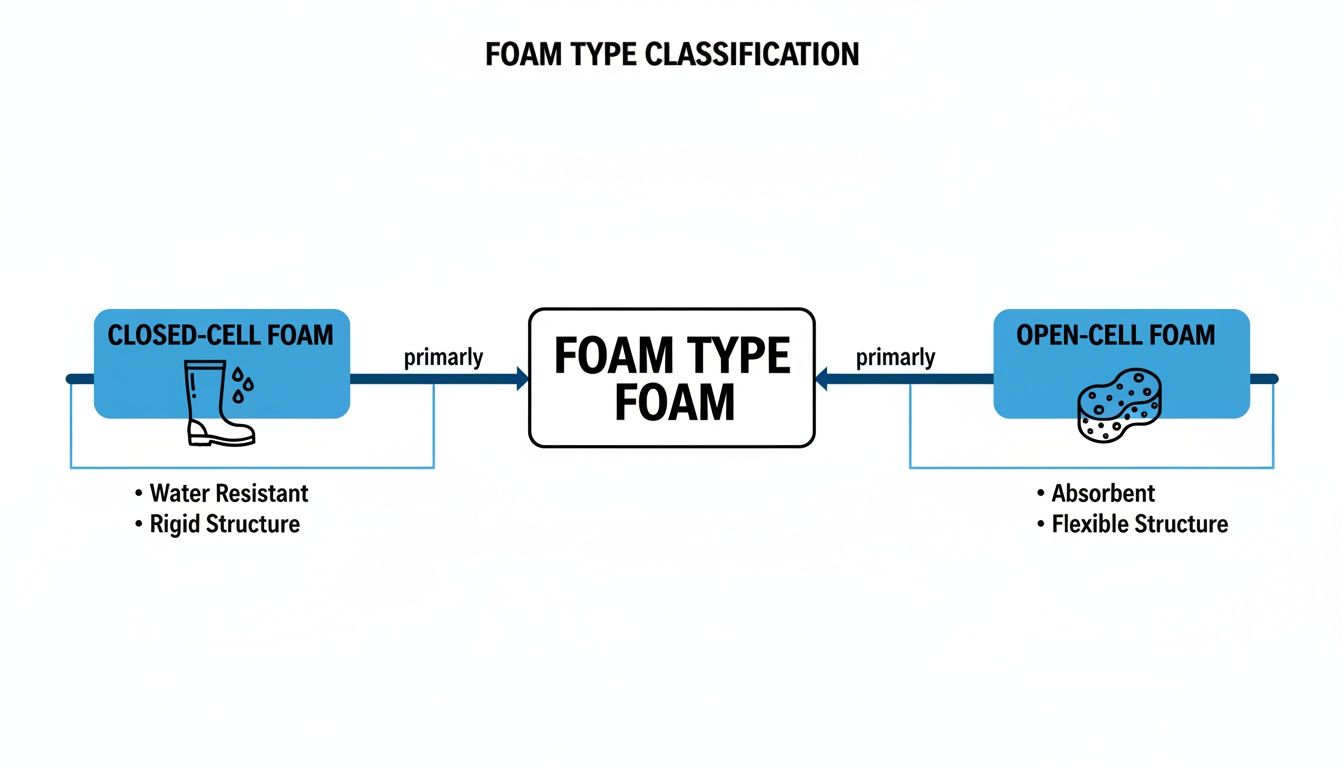
You can see it right there—the closed-cell rain boot blocks water completely, while the open-cell sponge is literally built to absorb it.
Here in Palm Beach County, humidity isn't just a comfort issue; it's a constant threat to your home's structure. When an insulation material lets water vapor pass through it, that vapor can hit a cooler surface inside your wall and condense back into liquid. Now you've got trapped moisture, and when you add Florida's warmth, you’ve created a perfect breeding ground for mold and rot.
Because open-cell foam acts like a sponge, a small roof leak or plumbing issue can quickly turn it into a saturated mess hidden inside your walls or attic. This can go unnoticed for years, leading to devastating structural damage.
The dense, closed-cell structure of the other foam type just doesn't allow for this. It stops water dead in its tracks. For a deeper dive into how these two materials perform in real-world scenarios, check out our open-cell vs. closed-cell spray foam Florida guide. When it comes to creating a truly sealed and protected home, there’s really only one choice.
When you need something that does a whole lot more than just insulate, closed-cell spray foam is the clear winner. This isn't just about keeping your home cool; it’s about creating a powerful, multi-purpose barrier that adds some serious resilience to your house. It’s the definitive answer to the question, "is expanding foam watertight?"
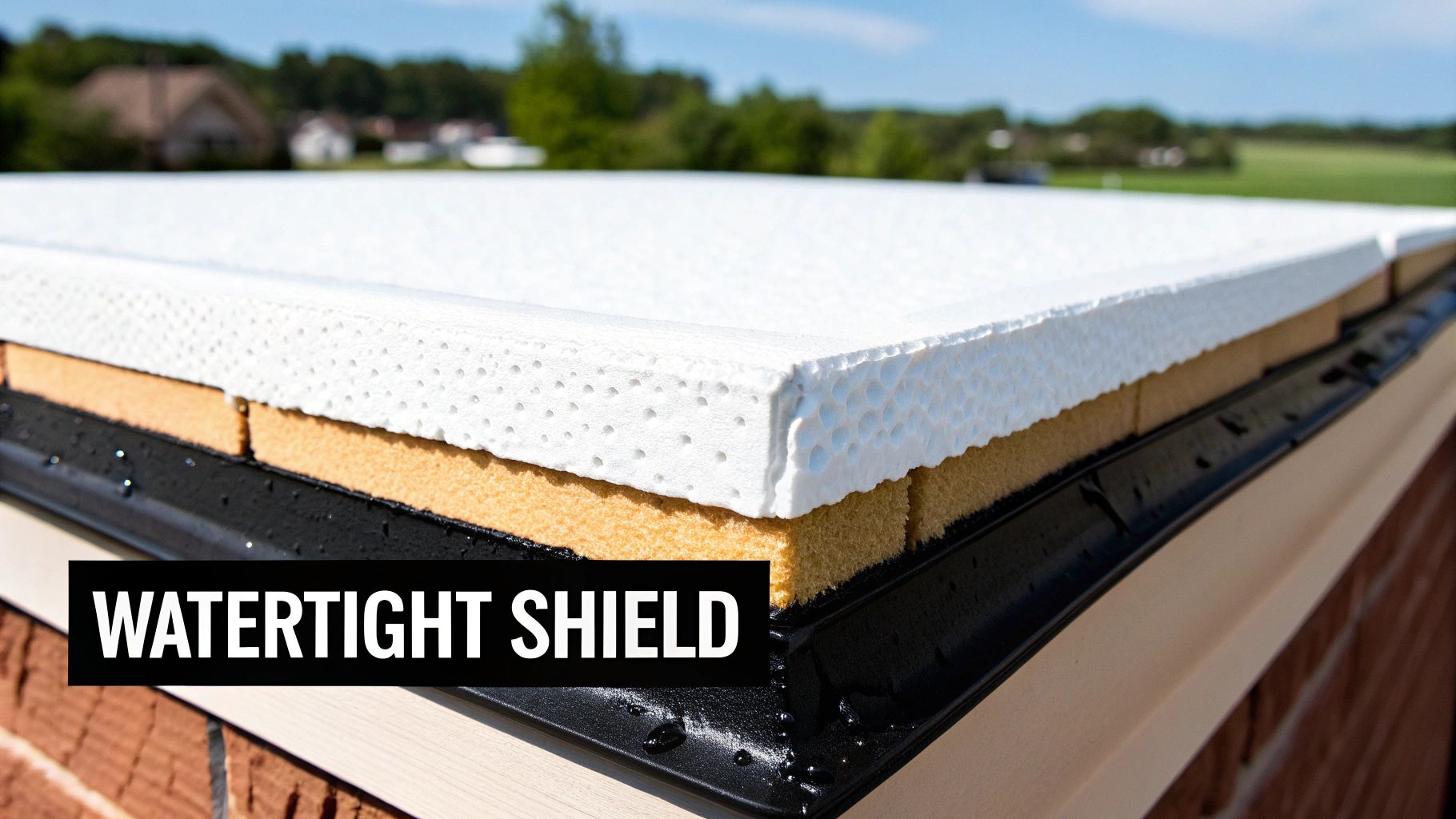
The secret is in its dense, rigid structure. Coming in at a typical density of around 2.0 lb/ft³, closed-cell foam is way more compact than its softer, spongier open-cell cousin. That density is what gives it an extremely low water vapor permeance, creating an almost impenetrable shield against liquid water, relentless humidity, and those costly air leaks.
But the perks of closed-cell foam don't stop at moisture control. Its rigid, glue-like adhesion actually adds significant strength to whatever surface it’s applied to. When we install it on the underside of a roof deck or inside wall cavities, it essentially bonds the framing and sheathing together into one solid, unified piece.
For homeowners here in Jupiter, Stuart, and West Palm Beach, that structural boost is a complete game-changer. It gives you an extra layer of defense against the intense uplift and shear forces that come with hurricane-force winds. What that means for you is better protection from wind-driven rain and a tougher, more durable home that can stand up to South Florida's worst weather.
By forming a seamless, airtight, and watertight seal, closed-cell spray foam not only insulates but also reinforces your home's structure. It transforms vulnerable assemblies into a solid, resilient shield against both storms and daily humidity.
This growing understanding of foam's double-duty benefits is fueling major growth in the industry. The demand for real moisture control and energy efficiency is projected to expand the global spray foam market from $2.95 billion in 2024 to $4.1 billion by 2029. Closed-cell foam is leading the charge, especially in humid places like ours where its superior moisture resistance is non-negotiable for keeping a house standing strong. You can read the full research about these market trends and what's driving them.
The real-world advantages of choosing closed-cell foam are undeniable, and they directly tackle the challenges we face with our local climate:
Ultimately, going with closed-cell foam is an investment in your home’s long-term health and durability. It provides the kind of comprehensive protection needed to create a truly airtight and watertight seal.
Okay, we've covered the science. But where does the rubber actually meet the road? For homeowners in South Florida, there are a few key battlegrounds where the truly watertight seal of closed-cell foam goes from being a nice feature to an absolute necessity.
Let's look at how this plays out in real-world scenarios.
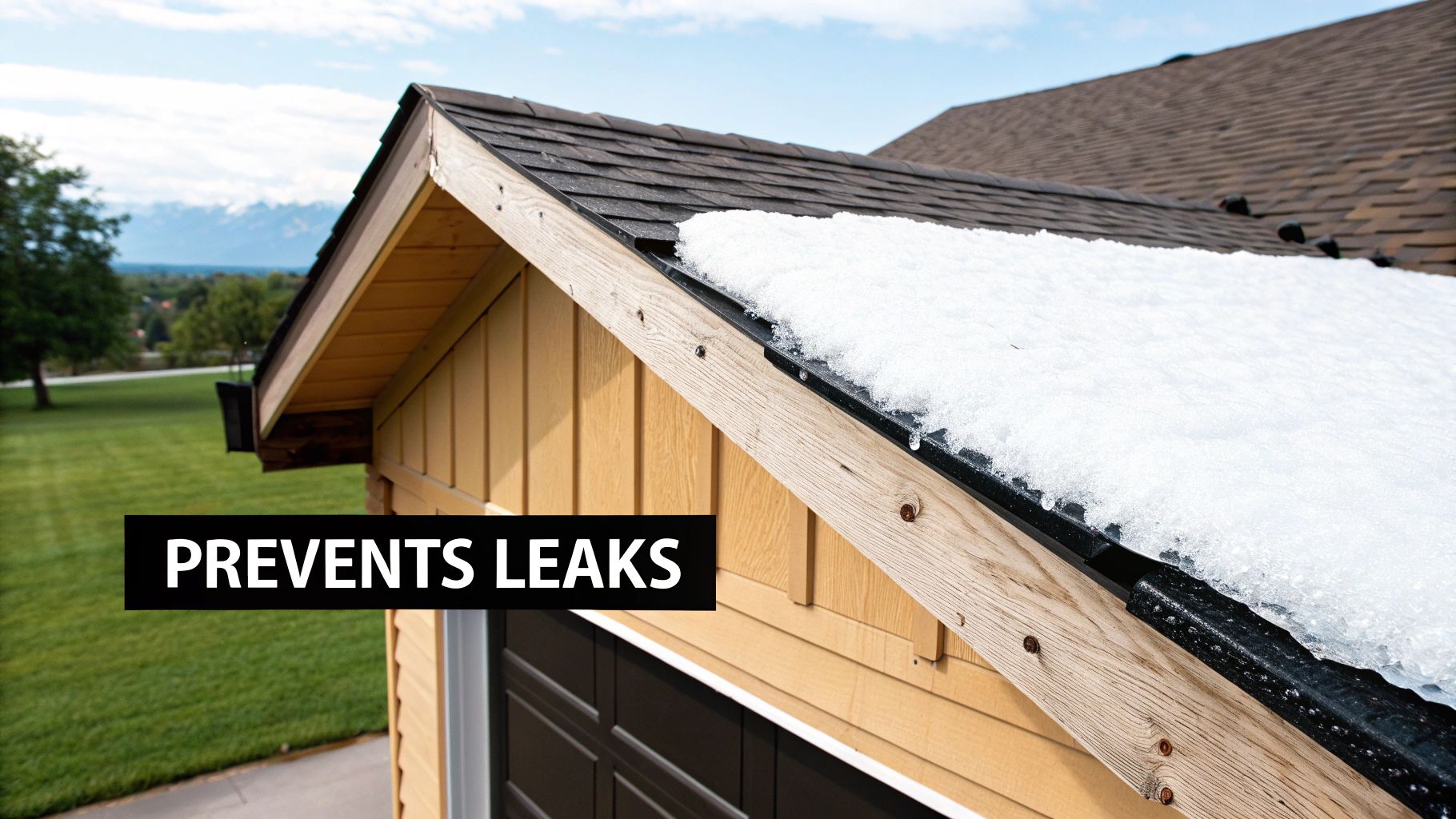
Picture your attic during a classic August downpour. A gust of wind rips a shingle loose, and water starts seeping under the felt. If you have old-school insulation like fiberglass or cellulose, that water is going straight through. Next thing you know, you've got a growing stain on your ceiling and a costly drywall repair on your hands.
But when you have closed-cell foam sprayed directly onto the underside of your roof deck, it's a completely different story. That water hits the foam and stops dead in its tracks. The foam creates a single, seamless, waterproof barrier that essentially acts as a second roof, protecting everything inside your home from those inevitable leaks.
Another place this matters immensely is on foundation walls, especially the concrete block walls you see everywhere around here. Concrete is like a sponge; it naturally soaks up moisture from the ground. That moisture then works its way into your home as humidity, creating that classic musty basement smell and giving mold the perfect place to grow.
Applying closed-cell spray foam directly to the interior of those block walls stops this moisture migration cold. It bonds to the concrete, sealing every tiny pore and mortar joint. This one application can completely transform a damp, humid garage or ground-floor room into a dry, comfortable space.
For homes in Jupiter and Stuart, where the water table is always a factor, using closed-cell foam on block walls is more than just an energy upgrade. It's a foundational moisture-proofing strategy that protects the structural integrity of your home and the health of your family.
The same idea works wonders in other weak spots around the house.
In every one of these situations, the foam is doing more than just insulating. It's creating a seamless, bonded, and truly watertight expanding foam shield. It turns the most vulnerable parts of a house into resilient barriers built to handle the unique weather we get year after year in South Florida.
While closed-cell foam is a seriously impressive watertight material, you have to understand its proper role. Think of it as a high-performance component in your home's overall defense system, not a magic wand you can wave at existing leaks or structural problems.
One of the most common—and costly—mistakes we see is homeowners thinking spray foam can fix anything. It can't. It won't repair a failing roof, bridge a big crack in your foundation, or make up for missing flashing around a window. Applying foam over these kinds of issues is like putting a fancy bandage on a broken bone; it hides the real problem but does absolutely nothing to fix it.
In fact, trying to patch an active leak with spray foam can make a bad situation much, much worse. The foam can actually trap water against your home's wood framing or roof deck, hiding the leak from sight while silently letting rot, mold, and decay run wild.
The performance of spray foam isn't just about the product itself—it’s all about the execution. A bad installation can completely torpedo its watertight properties, turning a premium material into a ticking time bomb.
A few things can go wrong and create a weak barrier:
At the end of the day, a successful job depends on a smart, holistic approach. You have to fix the underlying issues first, then bring in a professional for the application. The foam is only as good as the surface it's sprayed on and the expert behind the gun.
It’s no secret that the construction industry is relying more and more on spray foam’s watertight abilities. The market is projected to skyrocket from an estimated $3,025.95 million in 2025 to $5,188.38 million by 2034, and the residential sector makes up a huge 41% of that.
As more homeowners turn to foam for renovations, especially in older homes, the need for truly skilled installers has never been more critical.
Ultimately, getting a truly watertight seal with expanding foam is a partnership between the material’s amazing capabilities and an expert’s skill. To build a system that works, you also need to understand how foam interacts with other moisture barriers in your home. To dive deeper into that, check out our guide on vapor barriers and insulation.
The incredible watertight properties of closed-cell spray foam hinge on one critical factor: the person holding the spray gun. Get the application wrong, and you've got a catastrophic failure on your hands. This isn't just a point-and-spray job; it's a precise chemical reaction that demands a deep understanding of building science and the material itself.
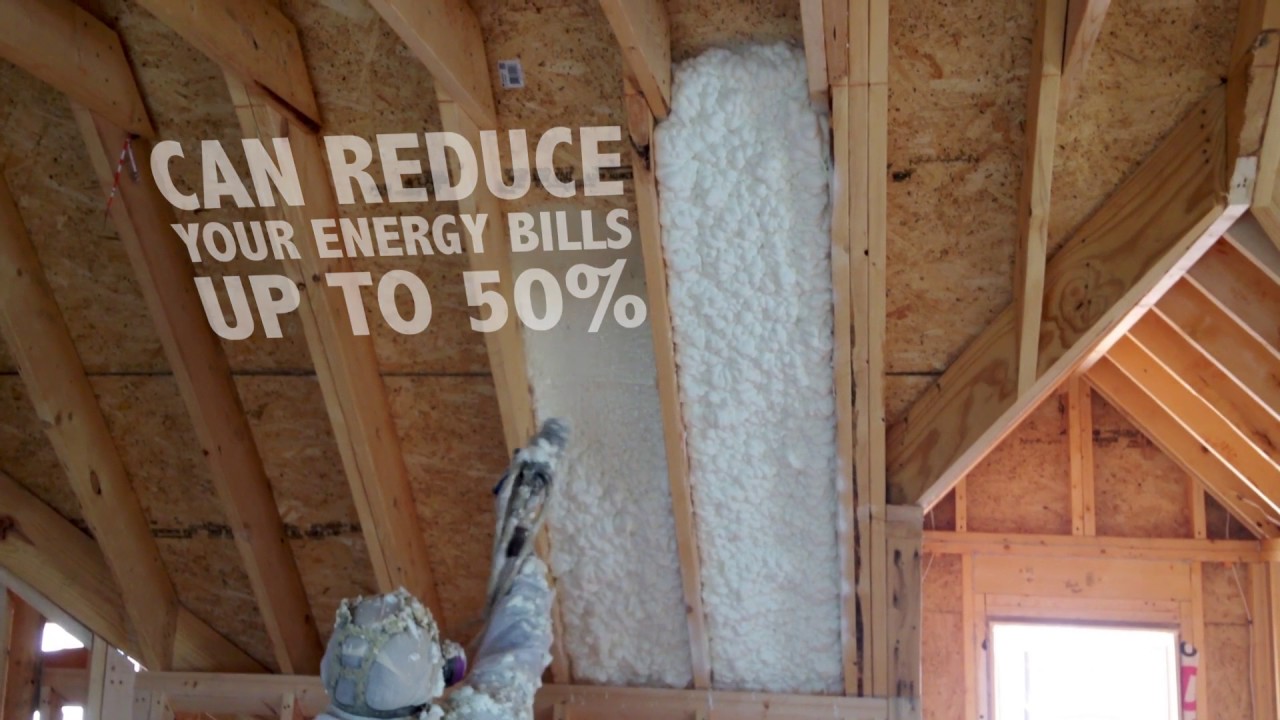
DIY kits and inexperienced installers are a recipe for disaster. If the two-part chemical mix is even slightly off-ratio, you can end up with foam that never properly cures—leaving a sticky, useless, and toxic mess inside your walls. Even tiny, invisible voids or gaps become secret channels for water to sneak right past the barrier, completely negating the whole point of the installation.
A seasoned professional knows this isn't just about insulation; it's chemistry. They meticulously prep the surface, ensuring it's perfectly clean and dry. They know how to calculate the exact thickness needed to create a true vapor barrier and how to maintain their equipment to guarantee the chemical reaction is perfect every single time. For a result that lasts, that level of expertise is everything.
True, lasting watertightness also depends on seeing the bigger picture. A pro knows the foam has to work as part of a system, ensuring critical components like reliable skylight flashing kits for waterproof installations are flawlessly integrated into the home’s protective shell.
It’s no surprise that demand for this level of performance is skyrocketing. The global spray foam market is expected to jump from $3.12 billion in 2025 to $4.39 billion by 2032. With the residential sector accounting for 41% of that, more homeowners are realizing the benefits—and recognizing that the value of a perfect installation is higher than ever.
At the end of the day, the spray foam itself is only half the equation. The expertise of the installer is the other half, and it's the part that ensures the long-term protection and peace of mind you're paying for.
Even with the technical details covered, I find most South Florida homeowners have a few key, practical questions. Let's get straight to the answers you're looking for.
Absolutely not. This is a common mistake I see people make, and it can cause far more harm than good.
While closed-cell foam is watertight, you should never use it as a band-aid for a roof leak. Spraying foam over a leak from inside your attic only traps the water between the foam and your roof deck. This can silently accelerate rot and mask the real source of the problem, turning a small leak into a major structural issue.
The right way to do it? Call a roofer first. Have them fix the leak from the outside, where the problem originates. Once that’s handled, applying closed-cell foam to the underside of the roof deck is a fantastic upgrade—it provides top-tier insulation and adds a powerful secondary barrier against any future water intrusion.
This is a great question because the term "waterproof" gets thrown around a lot. In the building industry, we consider closed-cell foam watertight. It acts as a Class I vapor barrier, meaning it’s incredibly effective at stopping both bulk water and moisture in the air from passing through.
However, no building material is "waterproof" like a swimming pool liner, which is designed to hold back immense, constant water pressure for years on end. If you're using it on a foundation or below-grade wall, it needs to be part of a complete waterproofing strategy that includes proper exterior drainage and membranes. It’s a critical component, but not a standalone solution in those high-pressure scenarios.
Yes, and this is one of its biggest vulnerabilities in a humid climate like ours. Open-cell foam's structure is like a very fine sponge—it will absolutely absorb and hold onto water.
If it gets wet from a leak and can't dry out almost immediately, you've just created a perfect breeding ground for mold and mildew right inside your walls.
This is precisely why closed-cell foam is the only type of spray foam we recommend for any application in South Florida. Its dense, plastic-like structure doesn't absorb water and offers no organic material for mold to feed on. It simply blocks the moisture that mold needs to grow.
It sure does. Closed-cell spray foam hardens into a rigid, solid barrier. It seals every crack, gap, and crevice, which are the very highways that insects and rodents use to get into your home.
While the foam itself isn't a pesticide, pests can't chew through it or nest in it the way they can with fiberglass or cellulose. It effectively turns your home's envelope into a solid shield, making it far more resilient against unwanted guests.
Ready to make your home more comfortable, efficient, and resilient against South Florida's climate? The expert team at Airtight Spray Foam Insulation has the experience to deliver a perfect, lasting installation. Get your free quote today!