Learn more about our spray foam insulation services in Jupiter, FL designed for South Florida homes.
Let’s be blunt: an uninsulated metal building in South Florida is an oven. It’s an energy-sucking nightmare that costs you a fortune in cooling bills.
While metal is fantastic for its durability, it’s also a highly effective heat conductor. On any given sunny day, that property turns your building’s interior into a sauna, forcing your air conditioning to run nonstop just to try and keep up.
Insulating that roof is easily the single most important thing you can do to get control over interior temperatures, kill condensation issues, and slash your energy costs. By creating a solid thermal barrier with something like spray foam, you stop that intense heat from radiating through the metal, making the space instantly more comfortable and efficient.
The problem isn’t just about comfort; it’s a huge financial drain. Here in Florida, an uninsulated metal roof can cause interior temperatures to skyrocket 30-50°F higher than the outside air. Your AC unit simply can’t win that battle.
We’ve seen it time and again—utility costs jump by as much as 40% annually just from fighting a hot roof. When Airtight applies spray foam, we meticulously seal every single gap and joint. This creates a truly airtight barrier that stabilizes the temperature and, just as importantly, fights off moisture. That’s a massive benefit in our hurricane-prone climate.
To see just how big the difference is, take a look at this quick comparison:
Here’s a quick overview comparing how uninsulated and insulated metal buildings perform under typical summer conditions.
| Metric | Uninsulated Metal Building | Insulated Metal Building (with Spray Foam) |
|---|---|---|
| Interior Temperature | Often 30-50°F hotter than outside air | Stays within a few degrees of the thermostat setting |
| Energy Costs | Extremely high; AC runs constantly | Drastically lower; AC cycles much less frequently |
| Condensation (“Sweating”) | Common, leading to rust, mold, and water damage | Eliminated; spray foam acts as a vapor barrier |
| Structural Integrity | Standard; vulnerable to wind uplift | Increased racking strength and wind resistance |
| Noise Levels | Very loud during rain or hail | Significantly dampened for a quieter interior |
The takeaway is pretty clear. Leaving a metal building uninsulated means you’re paying more for a less comfortable, less durable space. Insulation transforms it from a basic shell into a high-performance structure.
Properly insulating a metal roof does way more than just lower your FPL bill. It completely changes how the building functions and how long it lasts. The benefits really stack up, protecting your investment for the long haul.
You’ll see major improvements across the board:
The thing that surprises most of our clients is the sound dampening. That deafening roar from a heavy downpour? It turns into a quiet hum. The echo inside a big, empty space is gone. It just makes the building a much more pleasant place to be.
At the end of the day, this isn’t just a temperature fix. It’s about boosting your building’s overall energy efficiency and comfort. By sealing the building envelope, you create a controlled environment that’s cheaper to run, healthier for anyone inside, and built to last.
When you start talking about insulating a metal-roofed building, the conversation almost always lands on spray foam. But it’s not a one-size-fits-all solution. The single most important decision you’ll make is choosing between open-cell and closed-cell foam, because they behave in completely different ways.
Think of it like this: open-cell foam is like a kitchen sponge, and closed-cell is like a foam coffee cup. One soaks up water, the other is totally waterproof. That simple difference is at the heart of how they perform on a metal roof.
This decision tree gives a quick look at why people start thinking about insulation in the first place—it almost always comes down to comfort.
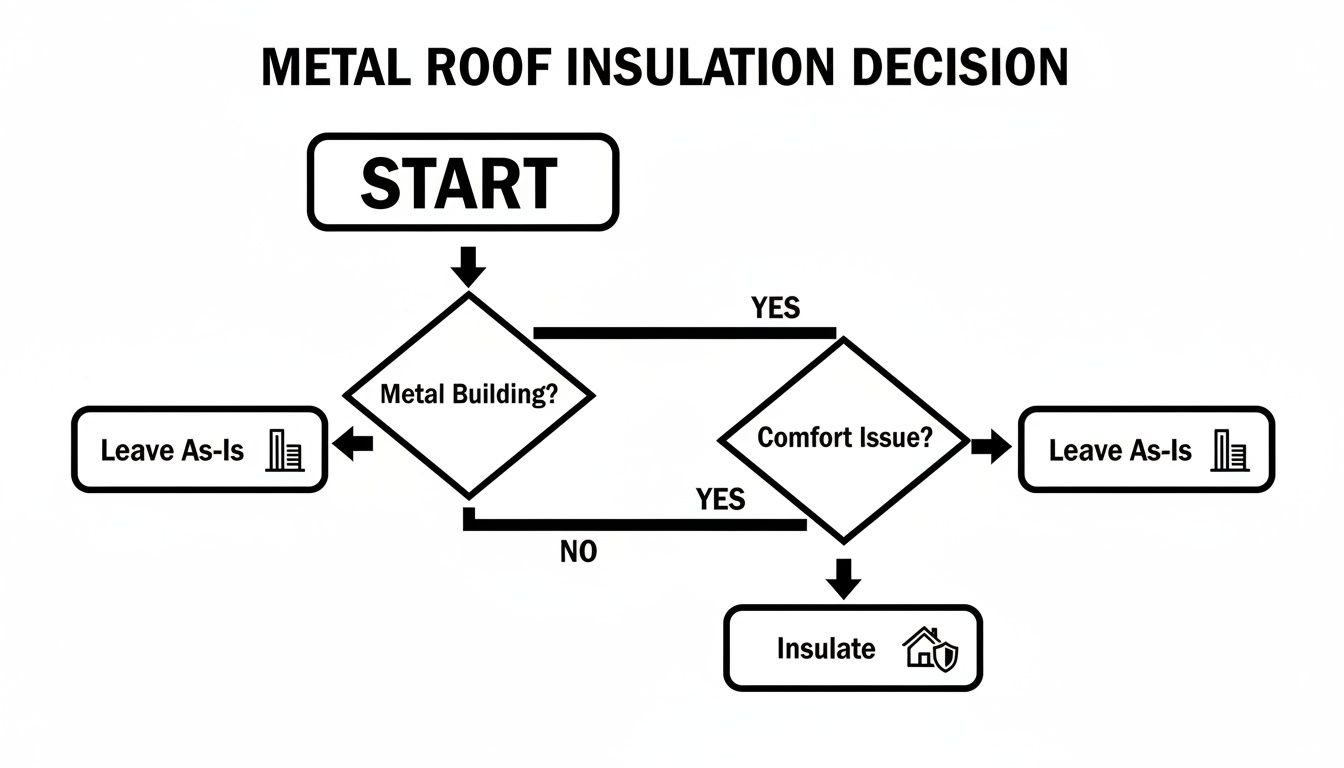
If your metal building is uncomfortable, insulation is the clear next step to fix the problem.
Open-cell foam has a soft, almost spongy texture. Its cells are intentionally left “open,” which is what makes it so good at absorbing things—including sound waves.
This makes it a fantastic choice for sound dampening. If you’re insulating a workshop, a home gym, or any space where you want to cut down on noise, open-cell is a great fit. A classic Florida thunderstorm on a bare metal roof is deafening; open-cell foam can turn that roar into a gentle patter.
It’s also cheaper per board foot than closed-cell, making it an attractive option for large interior walls or ceilings where moisture isn’t the primary worry. But because it can hold water, we almost never recommend applying it directly to a metal roof deck in our humid climate.
For most metal buildings, especially here in South Florida, closed-cell foam is the hands-down winner. The cells in this foam are completely sealed and packed together tightly, making it rigid, dense, and incredibly strong. This structure gives it three huge advantages.
The ability of closed-cell foam to add structural integrity cannot be overstated. We’ve seen buildings that felt flimsy become incredibly solid after a proper application. It’s like adding an extra layer of armor to your roof assembly.
High-performance insulation is a growing market for a reason. Specifically for metal roofs, spray foam can deliver R-20+ values, which can slash heat transfer by 75%. That’s a world of difference from bare metal, which might reflect some sun but still conducts heat like a frying pan. For property managers in West Palm Beach, this translates to real 20-30% annual utility savings and puts a stop to mold growth in damp warehouses.
So, which one is right for you? It really boils down to your building’s main purpose and its environment.
Here are a few real-world scenarios:
While spray foam is often the best tool for the job, it’s smart to know all your options. For a deeper dive, check out our guide on spray foam vs. blown-in insulation to see how different materials compare.
In the end, for the unique challenges of insulating a metal-roofed building in our climate, the dense, waterproof, and structural nature of closed-cell foam makes it the professional standard.
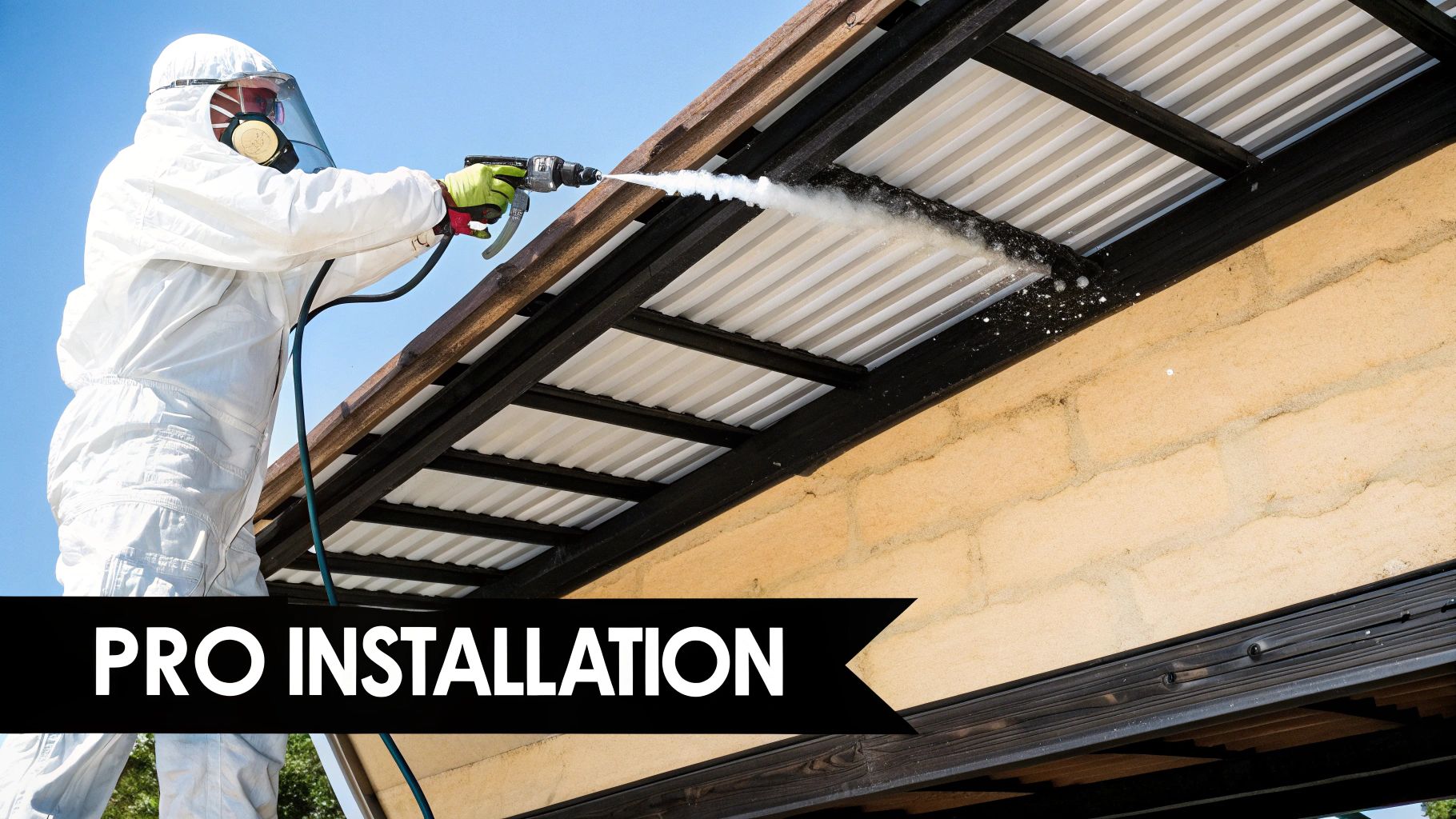
Picking the right insulation is a great start, but the real secret to long-term performance is in the installation. A professional spray foam job is a precise, multi-stage process that’s a lot more involved than just pointing a hose at the ceiling. It’s a systematic approach we’ve perfected over the years to guarantee a perfect bond, complete coverage, and a spotless worksite when we leave.
This is what you should expect when a pro insulates your metal-roofed building the right way.
Before a single piece of equipment shows up, a thorough site assessment is non-negotiable. An experienced installer will walk the entire property to inspect your metal roof’s condition, hunt for any signs of rust or moisture, and measure the total square footage. This isn’t just about getting a material count; it’s about creating a bulletproof plan of attack.
During this first visit, we’re figuring out:
This initial meeting is also where you get a detailed, transparent estimate. It should clearly spell out the scope of work, the type of foam we recommend (open-cell vs. closed-cell), the target thickness (R-value), and the total project cost. No surprises.
This is, without a doubt, the most critical part of the entire job. Spray foam simply will not stick to a dirty, oily, or damp surface. If an installer skips proper prep work on the metal substrate, it will lead to delamination and a failed insulation job. It’s just a matter of time.
Our prep work is methodical. The crew starts by using pressure washers or powerful degreasers to strip away any contaminants from the underside of the metal panels and purlins. If we find light surface rust, we’ll either wire-brush it or treat it with a specialized rust-inhibiting primer. The end goal is a pristine, bone-dry surface that the foam can grab onto for good.
A classic DIY mistake is skipping the primer. On brand new, slick metal panels, a specialty primer is often essential to give the foam something to grip. Without it, even the best foam application can eventually start to peel away.
A true professional crew puts safety first. Period. That means setting up a secure work zone and protecting your property from any and all overspray. Before the spraying starts, our technicians meticulously mask off everything that isn’t being insulated—windows, doors, overhead lights, and any sensitive equipment in the building.
We then set up powerful ventilation fans to create negative air pressure. This pulls fresh air in and safely directs any overspray and fumes out of the building. You’ll see every crew member in full personal protective equipment (PPE), including respirators and full-body suits. Following this strict protocol ensures everyone stays safe and leaves you with a clean building, not a mess to clean up. For buildings with existing metal roofs, a professional installation might even incorporate solutions like commercial metal retrofit roofing systems to create a fully integrated and durable result.
Once all the prep and safety measures are locked in, the real work begins. Our technicians apply the foam in smooth, even “lifts”—or layers—typically about one to two inches thick at a time for closed-cell foam. This controlled approach is crucial. It prevents the foam from getting too hot while it cures and ensures we get a consistent density and R-value across the entire roof.
A skilled applicator is constantly checking the foam’s depth to make sure it meets the project specs. It’s this obsessive attention to detail that separates a professional job from a rushed one. The final product should be a seamless, solid layer of insulation that conforms perfectly to every rib, seam, and purlin of your metal roof. This is the foundation of the Airtight Comfort System—the key to transforming your building into a truly controlled and comfortable environment.
We call it “roof sweating,” and it’s the silent killer of steel buildings. It’s that relentless drip-drip-drip that causes rust, kicks off mold growth, and can flat-out ruin anything you have stored inside. This isn’t a leak from a storm; it’s a problem that starts right inside your building’s own atmosphere.
The science is actually pretty simple. Condensation happens whenever warm, moist air hits a colder surface. Your metal roof is the perfect culprit—on a cool night or even a clear day, that metal sheeting is often way colder than the humid air trapped inside the building. The moment that interior air touches the chilled underside of the roof, it cools down instantly, and the water vapor it’s holding turns into liquid droplets.
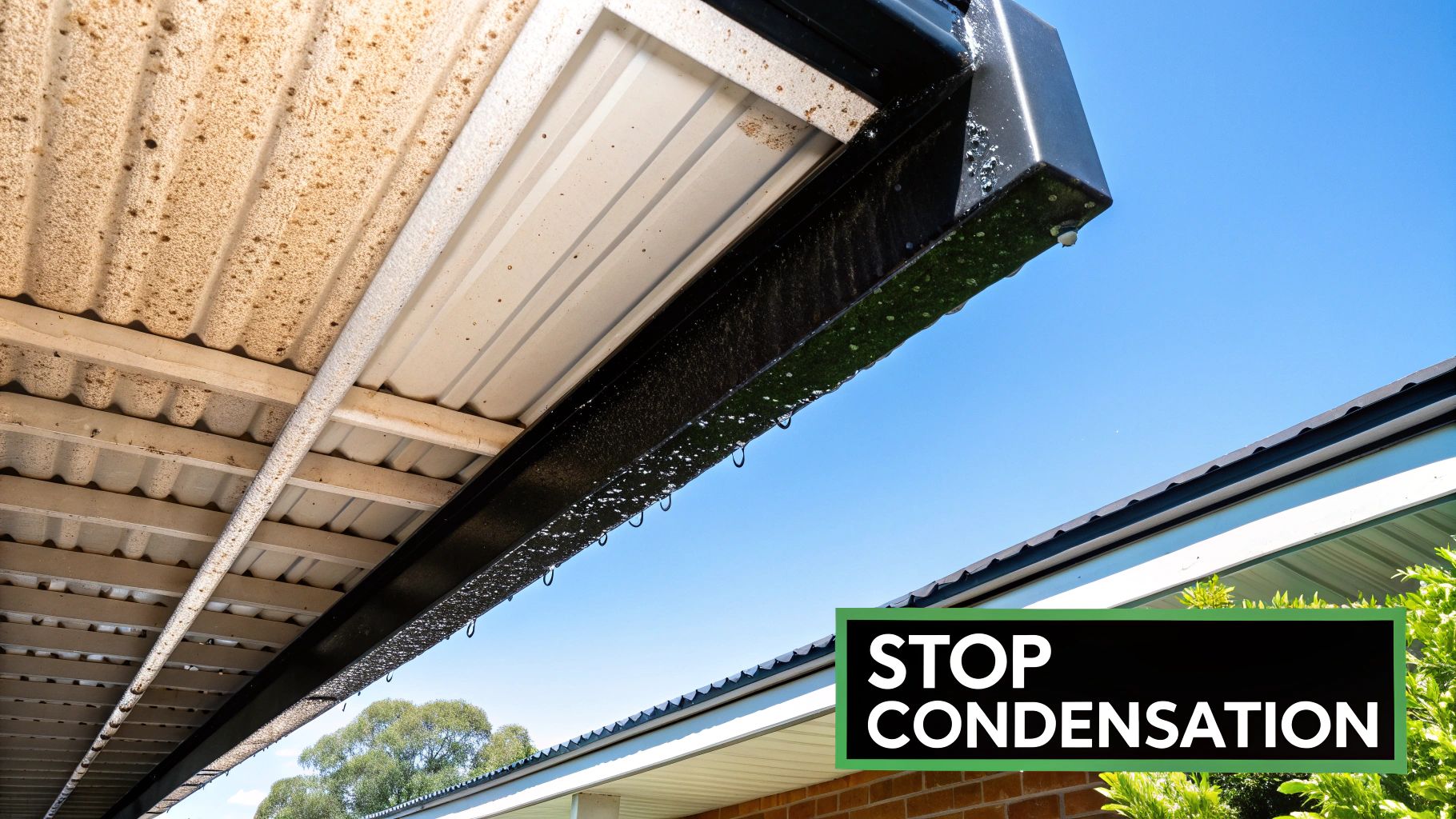
Down here in South Florida, this process is happening almost constantly. Over time, that non-stop moisture will corrode screws, stain ceilings, and create a perfect breeding ground for mildew. The only real way to stop it for good is to create a tough, physical barrier that prevents the warm, humid air from ever touching the cold metal deck in the first place.
This is where the right insulation becomes your single most effective weapon. While any insulation is better than none, closed-cell spray foam is the definitive, hands-down solution for stopping metal roof condensation. When we apply it directly to the underside of the metal roof panels, it accomplishes two critical things at once.
First, it creates a high R-value thermal break. This keeps the interior surface of the foam much closer to the room’s air temperature, which dramatically reduces the chances of condensation forming.
Second, and this is the real game-changer, its dense, closed-cell structure makes it a 100% effective vapor barrier. It forms a seamless, airtight seal across every single inch of the roof deck, locking in around screws, purlins, and joints. That warm, moist air simply cannot get through the foam to reach the cold metal. Problem solved.
When we apply closed-cell spray foam, we are essentially creating a new, perfectly sealed interior ceiling. It completely isolates the metal from the indoor environment, eliminating the conditions that cause condensation in the first place.
This approach is fundamentally different from using old-school insulation like fiberglass batts. Fiberglass can absorb moisture like a sponge, getting heavy, losing its R-value, and trapping water right up against the metal—which just makes the rust problem a whole lot worse.
While properly insulating a metal roof is the primary fix, a complete strategy also involves managing the air inside the building. Good ventilation is key to lowering the overall humidity, giving condensation less fuel to work with.
Even in a well-insulated building, certain activities can generate a ton of moisture:
In these situations, adding exhaust fans, ridge vents, or even a commercial dehumidifier can work hand-in-hand with your insulation system. By actively pulling moist air out, you reduce the load on your insulation and create a much healthier, drier environment. This two-pronged attack—insulation as the barrier, ventilation as the regulator—is the most reliable way to keep your metal building dry for the long haul.
For some more great ideas on battling moisture in metal structures, there’s a helpful guide on strategies to reduce condensation in shipping containers. The principles for managing moisture in any steel-sided building are pretty much the same.
Of course, here is the rewritten section, crafted to sound like an experienced human expert while following all the provided guidelines.
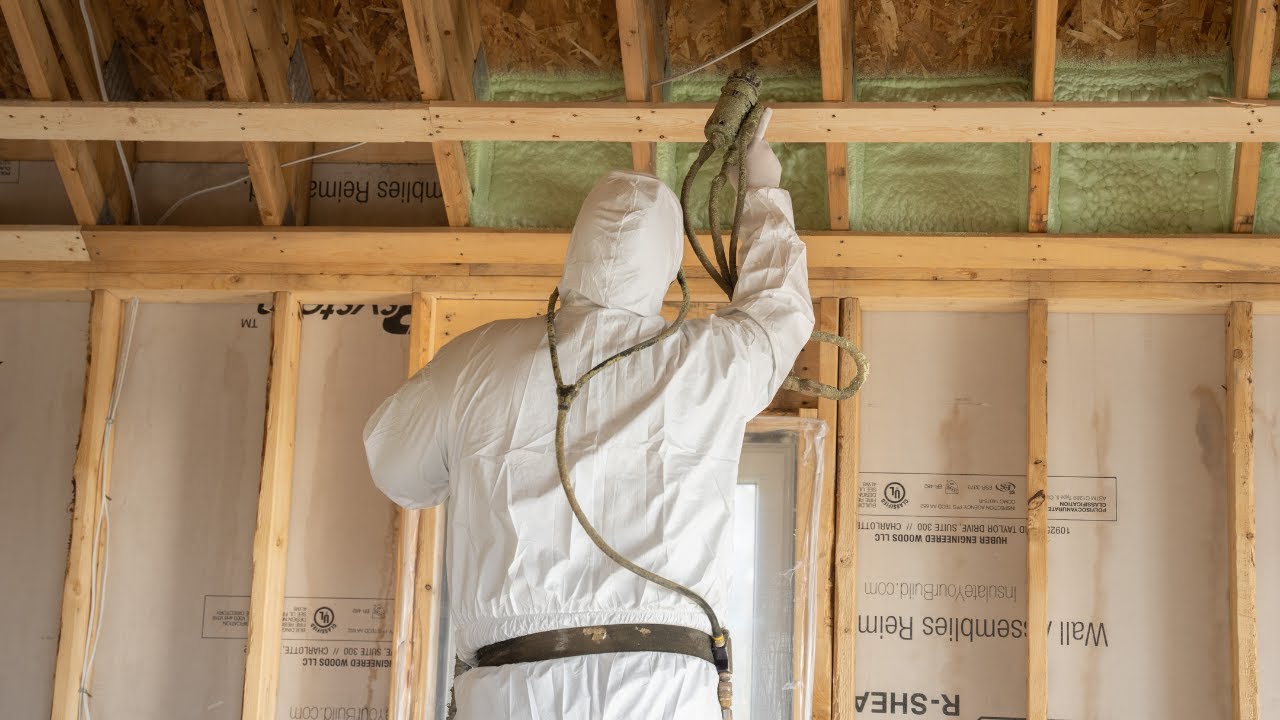
Everyone knows insulation drops your energy bill, but that’s just the tip of the iceberg. The real magic is in the secondary benefits—the ones that turn a basic metal shed into a high-performing, genuinely comfortable space. These are the advantages that improve how the building feels, sounds, and even stands up to a storm.
One of the first things people notice is the quiet. An uninsulated metal building in a downpour is like being inside a drum. The noise can be deafening, making it impossible to hold a conversation or get any work done.
Spray foam insulation is a fantastic sound-dampening material. Because it’s applied as a seamless layer, it absorbs vibrations and airborne noise, turning that disruptive roar into a quiet hum. For workshops, warehouses, and even barndominiums, this is a total game-changer, creating a calmer, more productive environment for everyone inside.
Beyond sound control, closed-cell spray foam adds some serious structural muscle to your building. This isn’t just a fluffy layer sitting on your roof; it’s an active structural component. As the foam expands and cures, it creates a rigid, powerful bond between the metal roof panels and the purlins underneath.
This process essentially glues the entire roof assembly into one solid piece, dramatically increasing its racking strength and resistance to wind uplift. For any building in South Florida, that added rigidity is a critical defense against the brutal forces of a hurricane. It’s like adding a layer of structural armor from the inside out.
The structural enhancement from closed-cell foam is one of its most underrated features. It transforms a roof from a collection of individual panels into a single, unified diaphragm, making the entire building feel more solid and secure.
For building owners from Wellington to Stuart, an uninsulated roof can bake the interior, allowing heat gain of up to 70 BTUs per square foot every hour. Spray foam’s high R-value of 6-7 per inch crushes that number, stabilizing temperatures and cutting AC usage by as much as 35%. Nationwide, commercial buildings often see 15-25% lower energy bills after insulating. Plus, the foam’s airtight seal locks out the humid, salt-laced air that causes metal frames to rust. You can read more about the growing demand for durable roofing and find insights on the steel roofing market.
Finally, a properly sealed building means better air quality. The small gaps and unsealed seams in a typical metal building are open doors for all sorts of outdoor pollutants. Dust, pollen, mold spores, and other allergens drift right in and circulate in the air you breathe.
Spray foam creates a truly airtight barrier, sealing off every one of those entry points for good. By stopping contaminants at the source, you create a cleaner, healthier space for employees, customers, or your family. This is especially important for anyone with allergies or respiratory issues. It gives you total control over the air inside—keeping it conditioned, clean, and free from the pollutants just outside the walls.
Even after laying out all the benefits, it’s completely normal to have questions before diving into a big project. Insulating a metal-roofed building is a serious upgrade, and you want to be sure you’re making the right move. Here are some straight answers to the questions we hear most often from property owners just like you.
This is always the first question, and the honest-to-God answer is: it depends. The final price tag is shaped by a few key things, like the total square footage of your roof, the type of foam you choose, and how complex the job is. For example, closed-cell foam costs more per board foot than open-cell because it’s denser and packs a bigger punch in performance.
The only way to get a real number is with a detailed, custom quote from a professional installer. And while it’s an investment up front, most people see a clear return through some pretty dramatic energy savings. It’s not uncommon for the insulation to pay for itself within just a few years by taking a huge bite out of your monthly heating and cooling bills.
Absolutely. While it’s always easier to insulate during new construction, retrofitting an existing metal building is one of the most powerful and immediate upgrades you can make. It’s a specialty of ours and something we do all the time here in South Florida.
For an experienced crew, the process is straightforward. We start by prepping the interior roof surface, making sure it’s clean, dry, and ready for the foam to create a permanent bond. From there, we apply the foam to build a seamless thermal and moisture barrier. It’s a fast and incredibly effective way to finally solve those old problems with brutal summer heat or frustrating condensation, making the whole building far more comfortable and cheaper to run.
The change inside an existing building is almost instant. We’ve had clients tell us they can feel the temperature difference before our trucks have even left the property. It just goes to show how fast that airtight seal gets to work.
This kind of upgrade really breathes new life into older structures, instantly boosting how they perform and how you can use them.
This is a common and totally understandable worry, but the truth is the exact opposite. In fact, closed-cell spray foam is one of the best ways to prevent rust from ever starting. Rust happens when moisture meets metal, which is why condensation is so destructive in these buildings.
Because closed-cell foam creates a seamless, airtight, and completely waterproof layer right on the metal, it physically blocks humid interior air from ever touching the roof deck. This permanently gets rid of the “sweating” that causes metal to corrode over time. Instead of causing rust, the foam acts like a protective shield, preserving the structural integrity of your roof from the inside out.
Spray foam is a permanent solution. It’s not like traditional insulation—think fiberglass batts—which can sag, settle, or break down over time. Spray foam is different. It sticks rigidly to the metal and literally becomes part of the building’s structure.
Once it’s professionally installed, it doesn’t lose its shape, its R-value, or its insulating power. It’s a true one-and-done investment, engineered to last for the entire lifespan of your building. You’ll never have to worry about topping it up, replacing it, or watching its performance fade decades from now. It delivers the same solid results from day one, for good.
We run into this scenario in some pre-engineered buildings. While you might find an installer who says it’s okay, we strongly advise against spraying foam directly over a reflective bubble wrap or a similar radiant barrier. Over time—usually about a decade—the shiny facing on these barriers can delaminate, flake off, or peel away.
If that happens behind a solid wall of spray foam, you’d never see it, but the bond would be shot and your insulation would fail. The professional standard is to apply foam directly to a properly prepared, solid surface like the metal itself. This guarantees a permanent, unshakeable bond you can count on for the life of the building. It’s all about doing the job right the first time to avoid a hidden disaster down the road.
Ready to stop the heat, kill the condensation, and slash your energy bills? The team at Airtight Spray Foam Insulation has been transforming metal buildings across South Florida for over 25 years. We provide precise, professional installation that solves the unique climate challenges of our region. Request your free, no-obligation quote today!