Blog
Open Cell Spray Foam Insulation in Palm Beach: Pros, Cons, and Best Uses for Florida Homes

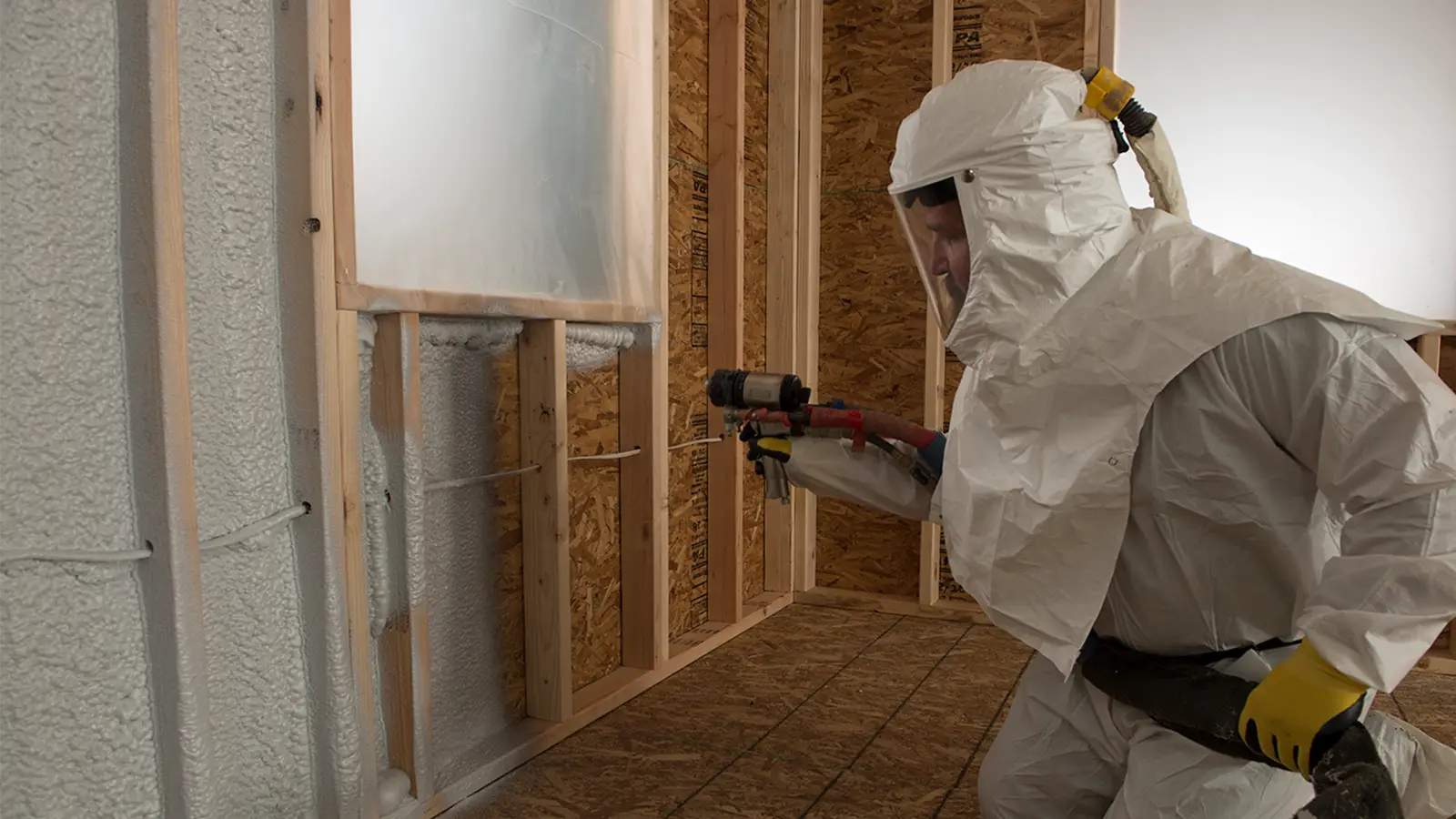
Florida homeowners face constant challenges from heat, humidity, and rising cooling demands. That is why many are exploring open cell spray foam insulation in Palm Beach as a solution for improving comfort and energy efficiency inside their homes.
This insulation type offers flexibility and effective air sealing, especially in interior spaces. When applied correctly, it helps maintain stable indoor temperatures while supporting better airflow control throughout the home.
Why Open Cell Spray Foam Insulation in Palm Beach Appeals to Florida Homeowners
Open-cell foam is designed to expand deeply into cavities, sealing gaps that allow air leakage. Its structure makes it breathable while still restricting unwanted airflow, which is useful in Florida’s warm climate.
Because it is less dense than closed-cell foam, it works well in areas where moisture exposure is limited, but sound reduction and temperature balance are priorities.
Pros and Cons of Open Cell Spray Foam Insulation in Palm Beach Homes
Open cell foam isn’t perfect for every job, but when used correctly, its benefits can be substantial.
Here’s what Florida homeowners should consider:
Pros:
- Flexible and lightweight: Easily expands into tight corners and hard-to-reach spaces
- Sound dampening: Reduces outside noise between walls and floors
- Affordable option: Less dense and more budget-friendly than closed-cell foam
- Air sealing: Helps keep cooled air indoors during hot seasons
- Non-moisture trapping: Allows vapor to pass through, reducing the risk of trapped condensation
Cons:
- Not water-resistant: Shouldn’t be used in exterior applications or moisture-prone areas
- Lower R-value: Provides less insulation per inch than closed-cell foam
- Not for structural support: Doesn’t add wall strength like closed cell options
- UV sensitivity: Must be covered if exposed to direct light
- Requires indoor application: Best used inside conditioned or protected spaces
For many homes, the solution is using open-cell in the interior and reserving closed-cell for exterior-facing areas.
Best Applications for Open Cell Foam in Florida Residences
While it may not be suited for every corner of your home, open-cell foam has excellent use cases that make it a strong option for energy savings and comfort.
Top uses include:
- Attics: Fills rafter spaces and keeps attic air from circulating into living areas
- Interior walls: Create sound barriers between rooms and floors
- Ceilings: Works well in homes with high ceilings or lofted designs
- Crawl spaces (when protected): Helps control humidity in sealed areas
- Bonus rooms or additions: Flexible for oddly shaped spaces or recent remodels
When used where appropriate, open cell spray foam insulation in Palm Beach gives homeowners an edge in comfort without overspending on materials better suited for exteriors.
Why Air-Tight Spray Foam Is a Trusted Choice for Florida Homes
Selecting an experienced installer is critical for proper insulation performance. Air Tight Spray Foam understands how Florida’s climate affects insulation behavior and tailors each project accordingly.
Homeowners choose Air Tight Spray Foam for their clear guidance, skilled installation, and commitment to doing the job correctly. Their approach focuses on matching materials to real home conditions rather than one-size solutions.
Is Open Cell Foam the Right Fit for Your Florida Home?
For many homes, open cell spray foam insulation in Palm Beach delivers noticeable comfort improvements when used in the right locations. It works best as part of a thoughtful insulation plan rather than a single-material solution.
With professional installation from Air Tight Spray Foam, homeowners can improve airflow control, reduce indoor noise, and maintain consistent temperatures throughout the year.
FAQs
Is open-cell foam suitable for humid Florida climates?
Yes, when installed indoors, it allows vapor movement while limiting air leakage, helping manage humidity without trapping moisture inside walls.
Can open-cell foam be used in older homes?
Yes, it adapts well to existing structures and irregular cavities, making it suitable for renovations and insulation upgrades.
Does open-cell foam help with indoor noise reduction?
Yes, its soft structure absorbs sound waves, helping reduce noise transfer between rooms and different levels of the home.
How long does open-cell spray foam typically last?
When installed properly, it can perform effectively for decades without sagging or losing its air-sealing properties.
Should open-cell foam be combined with other insulation types? Yes, many homes benefit from using open-cell foam indoors and closed-cell materials in areas requiring stronger moisture resistance.